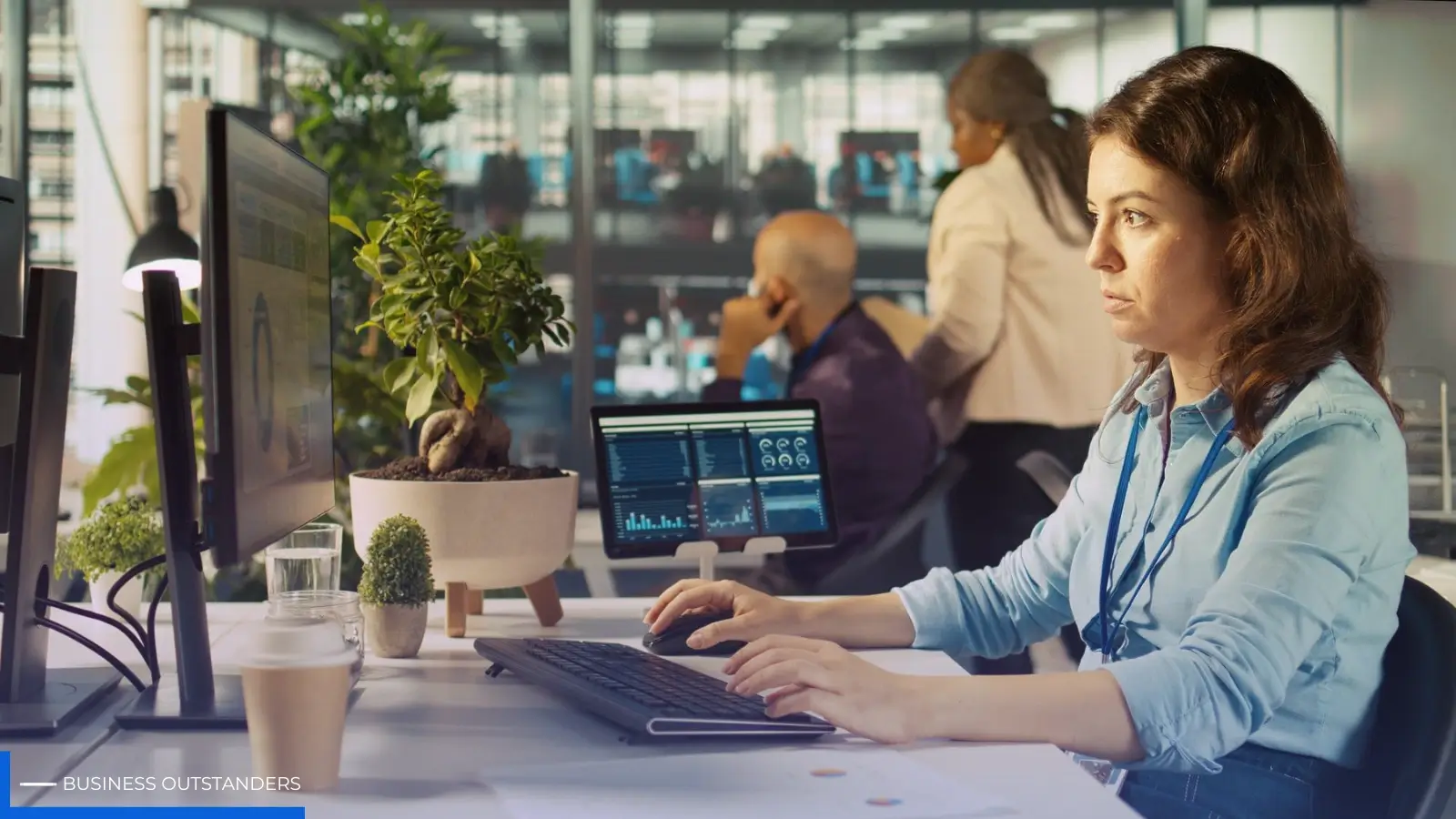
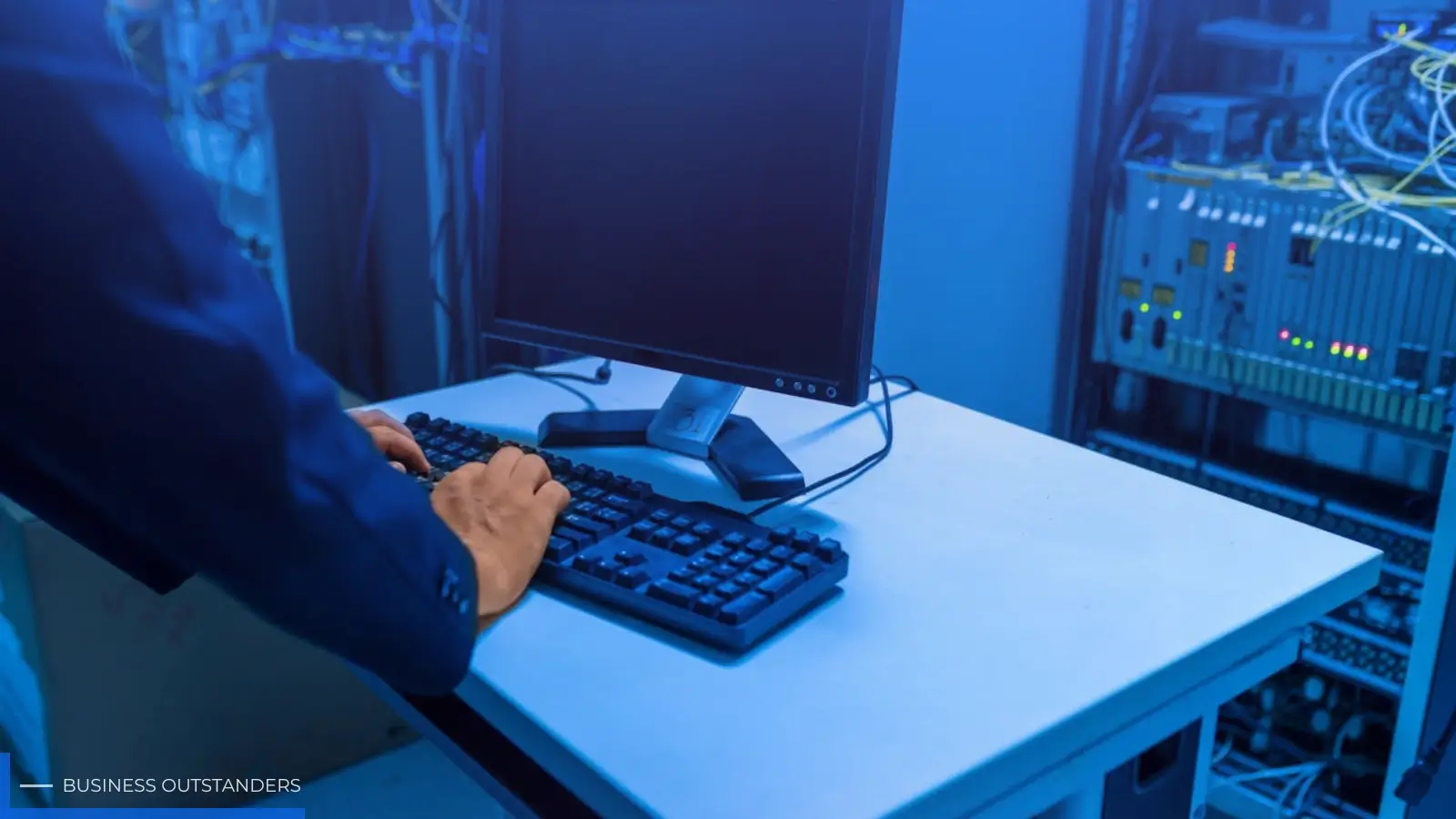
Modern facilities, whether commercial or industrial, face constant demands to operate efficiently and safely throughout the year. From maintaining comfortable indoor environments to ensuring operational systems run without interruptions, facility managers must adopt proactive strategies to protect assets and staff. With proper planning, routine maintenance, and the integration of modern technology, businesses can achieve consistent performance and reduce costly disruptions.
Routine Maintenance as the Foundation of Reliable Operations
Scheduled maintenance is the backbone of a reliable facility. Inspections of mechanical systems, HVAC units, plumbing, and structural components help prevent unexpected breakdowns. Small issues, if left unaddressed, can escalate into significant problems, resulting in downtime and high repair costs.
Facility managers should create regular maintenance schedules that cover both routine and seasonal tasks. Checking equipment performance, cleaning critical components, and addressing minor wear and tear ensure systems operate efficiently and extend their service life. A proactive approach reduces emergency repairs and keeps the facility running smoothly throughout the year.
Smart Technology and Automation for Better Efficiency
Modern facilities increasingly rely on smart technology and automation to monitor and optimize operations. Sensors can track energy consumption, temperature, humidity, and equipment performance in real time. Building automation systems allow for centralized control of lighting, climate, and security, improving efficiency while reducing energy waste.
Smart systems also help managers detect problems before they escalate. For example, alerts for unusual equipment activity or abnormal temperature fluctuations allow for immediate intervention, preventing costly downtime. Integrating automation and data-driven monitoring not only improves performance but also enhances overall safety and comfort.
Workplace Safety Protocols That Protect Staff and Visitors
Ensuring safety in a facility is not just about meeting regulations; it is essential for protecting employees and visitors. Regular safety training, proper signage, and clearly defined emergency procedures create a safer work environment. Emergency plans, including fire drills and evacuation routes, ensure everyone knows how to respond during critical situations.
Facility managers should also monitor equipment operation and perform risk assessments to prevent accidents. A strong safety culture, combined with proper protective measures, reduces injuries and liability while supporting employee confidence and productivity.
Energy Management and Sustainability Practices
Effective energy management is a key aspect of operational efficiency. Facilities can reduce costs and environmental impact through energy-efficient lighting, insulation, and appliances. Monitoring systems track usage patterns and identify areas for improvement, enabling informed decisions about upgrades and replacements.
Sustainability practices not only improve efficiency but also enhance the facility’s reputation. Using eco-friendly materials, optimizing HVAC performance, and adopting renewable energy solutions contribute to long-term operational savings while supporting environmental responsibility.
Electrical System Reliability and Upgrades
The electrical system is central to a facility’s performance, powering machinery, lighting, climate control, and other critical infrastructure. Regular inspections, load testing, and compliance with electrical codes are essential to prevent outages, equipment damage, and safety hazards.
Upgrading outdated wiring, panels, and circuit breakers ensures reliability and reduces the risk of overloads or short circuits. Professional electrical services help maintain optimal system performance. For specialized industrial facilities, working with qualified experts such as MAKA Power - industrial electricians ensures that electrical systems are safe, efficient, and capable of supporting complex operations without interruption.
Seasonal Readiness: Preparing for Weather Changes
Facilities must be prepared for seasonal shifts that impact operations and structural integrity. During winter, proper insulation, roof inspections, and heating system maintenance help prevent cold-related failures. Summer preparation includes ensuring ventilation and cooling systems are functional, as well as checking for potential storm damage.
Addressing seasonal challenges proactively minimizes disruptions and protects both the facility and its occupants. Facilities that adjust maintenance routines according to seasonal needs maintain consistent performance year-round.
Outsourcing Professionals for Specialized Maintenance
Some maintenance tasks require specialized knowledge or certification. Outsourcing to experts ensures that complex systems are serviced correctly and safely. For example, electrical, HVAC, and plumbing systems often need professional evaluation to comply with regulations and maintain efficiency.
Hiring certified specialists not only guarantees quality work but also reduces liability and downtime. Professional services complement routine in-house maintenance, creating a comprehensive strategy for facility safety and efficiency.
Strategic Planning for Long-Term Facility Performance
Proactive planning is critical for sustaining facility performance over the long term. Multi-year maintenance schedules, combined with data from inspections and monitoring systems, help predict future needs and budget accordingly. Anticipating repairs, system upgrades, and technological improvements prevents emergency expenses and extends the life of critical assets.
Facilities that invest in long-term planning enjoy consistent operational performance, improved safety, and lower overall costs. A strategic approach allows facility managers to focus on growth and productivity instead of reacting to preventable issues.
Modern facilities thrive when efficiency, safety, and proactive management are prioritized. From routine maintenance and smart technology to reliable electrical systems and seasonal readiness, these strategies ensure that facilities remain operational and secure throughout the year. By working with professionals and planning ahead, facility managers can protect their investments, enhance workplace safety, and maintain a high-performing environment year-round.
Business Outstanders brings you sharp insights on tech, business, entrepreneurship, law, crypto, and more. We uncover what’s next. Stay updated, sign up for our newsletter and be part of the future!