The detoxification of benzodiazepines is a dangerous pharmacological procedure, which should be performed under the management of experts. It is used in the treatment of anxiety, insomnia, as well as seizures, and hence these medications may give rise to physical dependence with time. When an individual resolves to quit, the withdrawal process may be difficult and even life-threatening unless they receive medical assistance through detox benzodiazepines.
When you or a loved one is experiencing benzodiazepine addiction problems, you should know that you are not alone and there exists a path out. Deciding to detoxify benzodiazepines with the right supervision is possibly the most important step towards long-term recovery.
Benzodiazepine Dependence Explained
Benzodiazepines are a depressant of the central nervous system. Such medications as Xanax, Ativan, Valium, and Klonopin have become some of the most widely used medications in the U.S. to alleviate the effects of anxiety and panic disorders. Although it is effective in the short version, the long version has powers of tolerance, dependency, and a cycle that can be difficult to come out of without any assistance.
Until they take a step to do away with them, many people are not even aware that they have become dependent. Within hours or days, there may be symptoms of irritability, insomnia, muscle tension, and in severe situations, seizures or hallucinations. This brings out the importance of a supervised method of detoxing.
The importance of Medical Detox
Not only is trying to detox at home uncomfortable, but it is also risky. In medical detox, the environment is controlled and symptoms observed and processed in order to minimise health issues and relieve discomfort.
Trained clinicians formulate a tapering regimen that agrees with the person in a medically supervised detox. Tapering also eases the extent of withdrawal as it reduces the dose. It is also a way by which the brain and body get time to adapt.
Also, patients are supported, i.e., hydrated, nourished, and in case of anxiety or sleep disorders, medications may be provided. The effective support is also important in this stage since it creates the support for long-term recovery.
Diagnosis of Withdrawal Symptoms
The symptoms of withdrawal may have different degrees of severity, depending on the period and the dosage that is consumed. Among the usual symptoms one may have:
-
Fears and worries
-
Trouble sleeping
-
Headaches
-
Dryness or dizziness
In more dramatic scenarios, sufferers can be hallucinating, psychotic, or convulsive. These are the symptoms that emphasize the significance of medical supervision provided by professionals.
There are also differences in terms of withdrawal timelines. Others may absorb symptoms in just a few hours, although others may not have them until one or two days had stopping using the drug. Acute withdrawal can take a few days to weeks, and psychological symptoms may last months, also referred to as protracted withdrawal.
The Mental Aspect of Detox
The effects of the withdrawal of benzodiazepines usually attract most attention, but the emotional and psychological effects may also be very disruptive. Mood swings, anxiety, and depression are common. These symptoms may be overwhelming to individuals whose main problem led them to consume such medications in relation to mental health concerns initially.
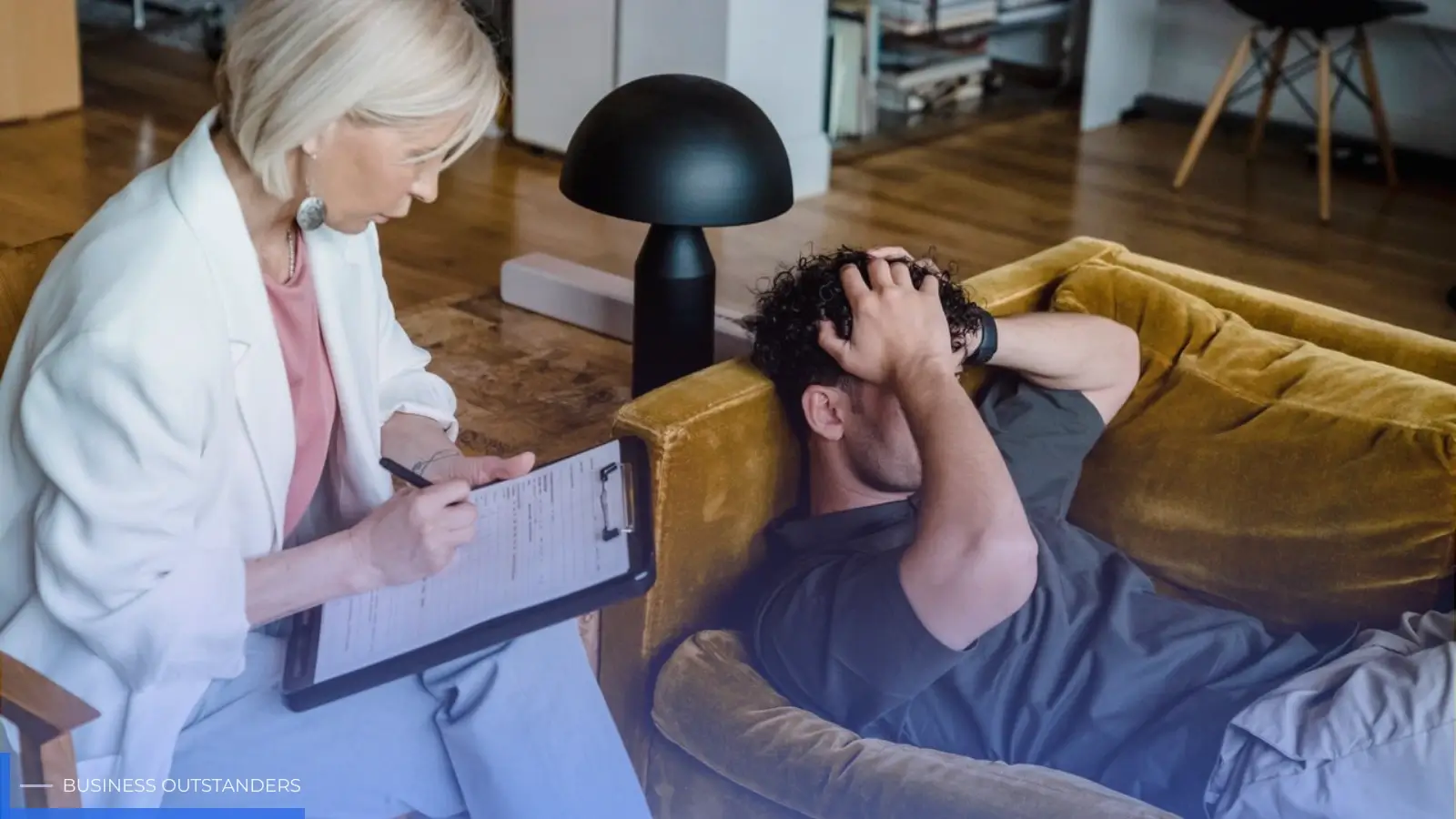
This is the reason emotional support, therapy, and counseling are very much essential in the case of detox. A clinically assisted treatment will usually involve mental health practitioners who will be helpful not only to deal with the underlying cause of the use of benzodiazepines but also the psychological deprivation of withdrawal.
The Role of Follow-Up and Maintenance Treatment
Detox is only stage one. However, it treats the physical dependence; people with an addiction need to have the emotional and behavioral aspect of the addiction cured in the long term. In the absence of a continued care plan, the occurrence of relapse is significantly increased.
Once individuals undergo detox, the next step would be to benefit from either a residential or outpatient program where they can learn the skills of psyche and support groups, and so on, to work out a system to help the individuals adapt to life without benzodiazepines. Trauma-informed care is widely used, as well as Cognitive Behavioral Therapy (CBT), Dialectical Behavior Therapy (DBT), in order to make people realize their triggers and learn healthy coping mechanisms.
Choosing a Detox Program The detoxification process is serious business, and it is crucial to use a professional program. You should do it with a professional program, such as one that offers detox benzodiazepines. Selecting a Program. Now, the question arises: how to select a program. There are several factors to consider.
The detox programs are not identical. The importance is to select a facility with an emphasis on personalized treatment, mental care, care safely, and under medical supervision. Look out for a few key elements. Here are some:
-
Individualized tapering program according to needs
-
Convenient and secret rooms
-
Evident post-detox follow-up treatment schemes
Having the right atmosphere goes along with determining the kind of experience an individual gets in the process of detox, as well as preparing him to be ready to continue in another level of the recovery process.
Helping a Loved One in Detoxification
The withdrawal of benzodiazepines is a painful process, and their psychological support can significantly help someone you love. You cannot do the work by themselves, yet showing up emotionally and assisting them to get professional help alleviates the feeling that they are by themselves.
Be non-judgmental rather than discouraging and be encouraging instead. Research detox programs on their behalf, lend them transport, or allow them to talk, when they are in search of a voice. Your constant companionship is one of the important aspects of their recovery.
The loved ones also need to establish boundaries and take care of themselves mentally. Family support groups in case of addiction patients can offer their direction and support at this moment.
After Detox, Building New Life
One of the strongest messages that any person who decides to undertake this journey needs to see is that recovery is not impossible. Post-benzodiazepine life may involve getting better sleep, a better mood, stronger relationships, and a sense of identity.
Detox is a courageous and valuable measure. Professional care, adequate instrumentation, and continuous support would make individuals gain control of their lives and regain their senses as a person without reliance on a substance.
Just keep in mind that it is not an event, but a process, viz., healing. Following one step by one step, adequately guided, will lead to a much-needed healthier and more satisfactory future.
Final Thoughts
The decision to detox from benzodiazepines is one of the bravest decisions that should be taken with professional care and with individual attention. Whether you are in a situation of wanting to get rid of dependence or you are someone supporting a loved one through dependence, know that you are not alone in this journey. Recovery is not impossible when the treatment is medically controlled detox and a continuum of emotional support.
Compassion, evidence-based treatment, and professionals are ready and available to walk with you through each of the stages of the healing process at Silicon Valley Recovery. Be you a first-year student or a student seeking further steps, they are determined to take care of you.
Business Outstanders brings you sharp insights on tech, business, entrepreneurship, law, crypto, and more. We uncover what’s next. Stay updated, sign up for our newsletter and be part of the future!