Why Touch Shapes the Story We Tell Ourselves
In a world full of bright screens and digital ads, it is easy to forget that people still make buying decisions with their senses. Texture, weight, and material continue to guide how shoppers judge quality long before they ever look at the price. From a soft leather bag to a cool metal ring, touch creates an emotional shortcut in the brain. It helps define whether something feels premium, trustworthy, or lasting. This is the foundation of texture branding, a strategy that uses physical sensation to shape how buyers think and feel.
Brands that understand this focus on more than looks. They design products to feel a certain way the moment they are held. A heavy object signals durability. A smooth finish tells the brain the item is high-end. A textured surface can spark feelings of nostalgia or comfort. When these details come together, customers form a story in their mind about what the product means. Many experts who work with long-lasting goods see this emotional connection every day.
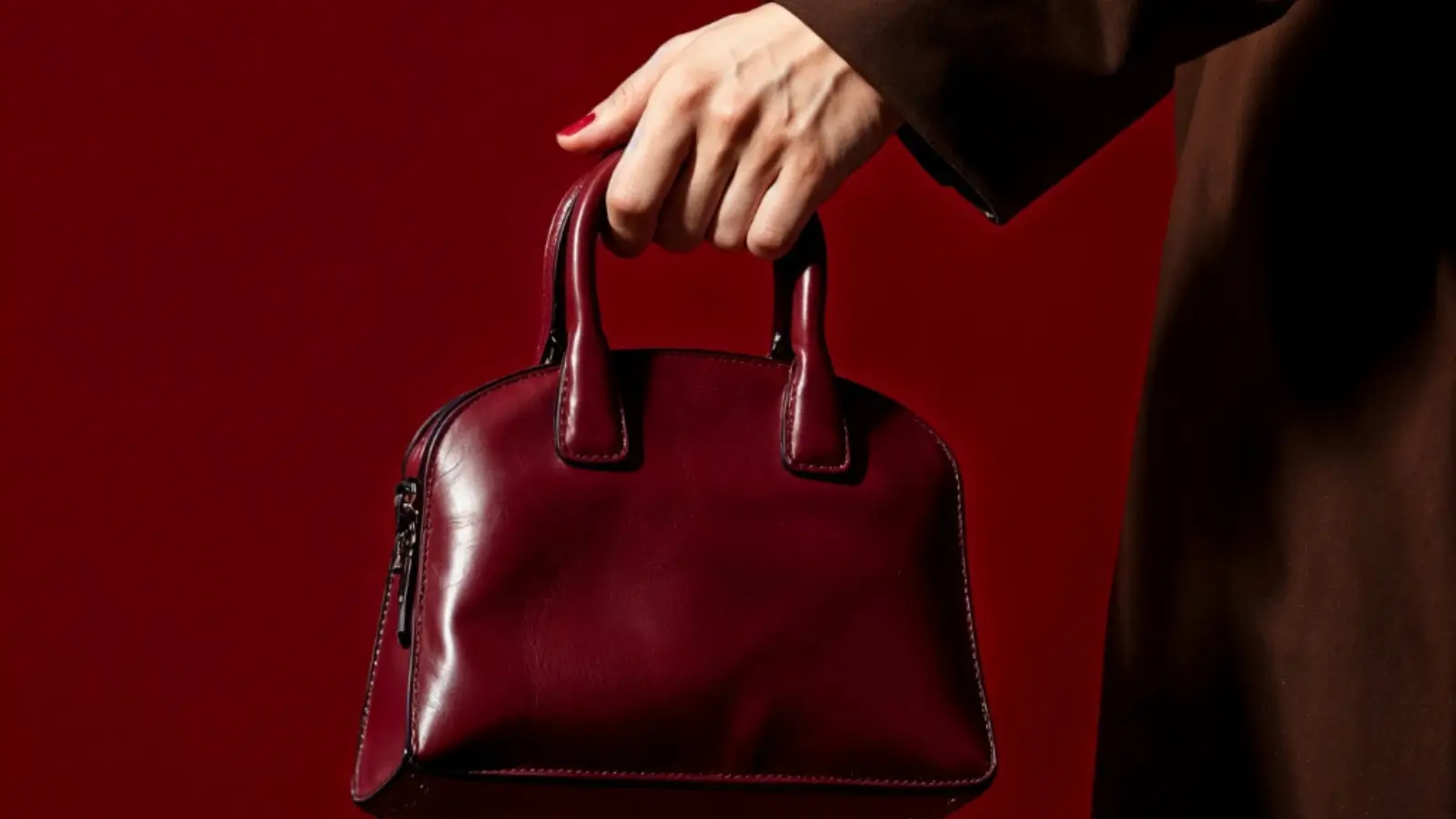
As Jane Bagley, Founder of BagsGuides.com, explains through her years of hands-on testing with designer bags:
"I’ve tested hundreds of handbags, and I can tell the buyer’s reaction in seconds just by how the material feels. I love showing people how a bag’s weight or softness can reveal real quality, even before checking the brand tag. We often trust our hands before our eyes, and I’ve seen clients light up the moment a bag feels right to them. That spark is what makes texture such a powerful part of the buying experience."
Texture is not just a detail. It is part of the brand’s message.
The Silent Language of Material and Weight in Buying Decisions
When someone lifts a product, they instantly build expectations about its performance. Heavier items tend to feel more valuable, even if the weight does not affect usefulness. Light items can feel modern, portable, or innovative. Material also changes expectations. Wood feels warm and natural. Metal feels strong and reliable. Fabrics can feel soft and luxurious, or simple and functional. These signals help customers make quick decisions without thinking too hard.
This is especially strong in industries where meaning is connected to materials. In jewelry, for example, customers often judge value by how a piece feels in their hand. A polished band, a cold stone setting, or the smooth glide of a clasp all speak louder than words. Ethical jewelry brands understand this well, designing pieces that blend feel with craftsmanship.
Phil Dawson of Lily Arkwright sees this daily while helping customers choose lab-grown diamonds and fine jewelry:
"I enjoy watching customers discover how the weight of a ring or the finish of a band can change their entire view of the piece. We focus on ethical luxury, but we also make sure each design feels as good as it looks. I’ve held countless diamonds and settings, and I still get excited when a piece has that perfect balance in the hand. When people feel quality, they connect to the piece in a very real way."
Texture branding is not just about appearance. It is an invisible form of trust.
Why Our Hands Decide Faster Than Our Minds
Studies in consumer psychology show that the sense of touch activates emotional decision centers faster than sight or sound. This means customers often know whether they “like” something long before they fully understand why. The brain remembers touch in powerful ways. A velvet surface reminds us of calm moments. A rugged material sparks feelings of adventure and strength. A cool, smooth metal ring can feel timeless and symbolic.
Jewelry, handbags, furniture, and decorative products often rely on this memory response. When an item feels familiar or comforting, customers feel safer choosing it. When it feels rare or surprising, it may feel more premium. Businesses that understand this build texture into their design process the same way they build color or shape. They choose materials not only for durability, but also for the feelings they create.
This approach is also clear in the wedding ring industry. Ben Hathaway, Founder of Wedding Rings UK, works closely with couples choosing pieces that carry emotional value:
"I’ve designed rings for thousands of clients, and I always pay attention to how they react when they feel a band on their fingers. I enjoy guiding them through different metals because each material tells its own story. We’ve tried new combinations like black zirconium and precious metals, and people love the unique weight and texture they bring. When a ring feels right, clients often know instantly that it’s the one meant for them."
When people touch something they love, they build a bond before the sale ever happens.
Texture Branding in a Digital First World
Even as more shopping happens online, texture branding still matters. Smart brands are finding ways to communicate touch through photos, videos, and detailed descriptions. High-quality visuals show the grain of a leather bag or the shine of a polished ring. Some brands use close-up videos to help customers imagine the feel of the material. Others offer samples, swatches, or virtual try-ons that mimic the experience of touch.
Texture also plays a key role in how products arrive in the mail. Packaging can shape the first physical impression, from the softness of tissue paper to the weight of a jewelry box. When customers open something that feels high quality, their trust increases. Their satisfaction grows. And they are more likely to buy again.
Across industries, experts agree that touch is one of the most powerful tools in branding today. The stronger the sensory experience, the stronger the emotional connection. And in markets filled with choices, emotion often wins.
Conclusion: The Future of Branding Will Always Involve the Human Hand
Texture branding proves that even in a fast digital world, people still make decisions with their senses. Touch, weight, and material connect directly to emotion, helping customers understand quality without using words. Brands that design with physical experience in mind create deeper trust and stronger memories.
Experts like Jane Bagley, Phil Dawson, and Ben Hathaway show that texture is more than a design choice. It is a language. It tells customers what to expect and how to feel. And as long as people keep reaching for products, that language will stay at the heart of powerful buying psychology.
Business Outstanders brings you sharp insights on tech, business, entrepreneurship, law, crypto, and more. We uncover what’s next. Stay updated, sign up for our newsletter and be part of the future!