The modern workplace is evolving, with more companies recognizing the benefits of sensory-driven environments. By integrating elements that engage sight and sound, businesses can create spaces that promote well-being, improve focus, and boost overall job satisfaction. Thoughtful design is transforming offices into dynamic, engaging environments that support both mental and physical health.
Lighting plays a significant role in workplace ambiance. Natural light exposure through large windows or skylights can enhance mood, reduce stress, and support concentration. When natural light isn’t available, well-designed artificial lighting—such as smart systems that adjust brightness and color temperature—can mimic daylight to maintain energy levels throughout the day. Color choices also impact mood and productivity, with warm tones stimulating energy and cooler shades fostering calmness and focus.
Incorporating nature into the workspace can further enhance sensory engagement. Greenery, living walls, and natural textures create a refreshing atmosphere that reduces stress and fosters creativity. Water features add a soothing element, while tactile materials such as wood, soft fabrics, and stone contribute to a more inviting and comfortable environment. Artwork and decorative elements can also inspire creativity and provide visual interest, keeping the space from feeling sterile or uninspiring.
Sound management is just as crucial as visual design. Uncontrolled office noise can be distracting, reducing efficiency and focus. Acoustic panels, carpets, and strategic furniture placement can help minimize disruptive sounds, creating a more balanced auditory environment. Some workplaces incorporate background audio—such as nature sounds, instrumental music, or white noise—to enhance concentration while maintaining a pleasant atmosphere.
Flexible workspace design helps employees find the right balance between collaboration and focus. Open areas encourage teamwork and social interaction, while quieter, enclosed spaces offer a retreat for deep work or relaxation. Smart technology, such as customizable lighting and adaptive sound systems, can further tailor the environment to employees’ needs throughout the day.
By carefully curating sensory elements into their custom interior solutions, companies can craft workspaces that not only improve efficiency but also support overall well-being. Investing in sensory-friendly design leads to a more engaged workforce and a workplace culture that values both comfort and productivity.
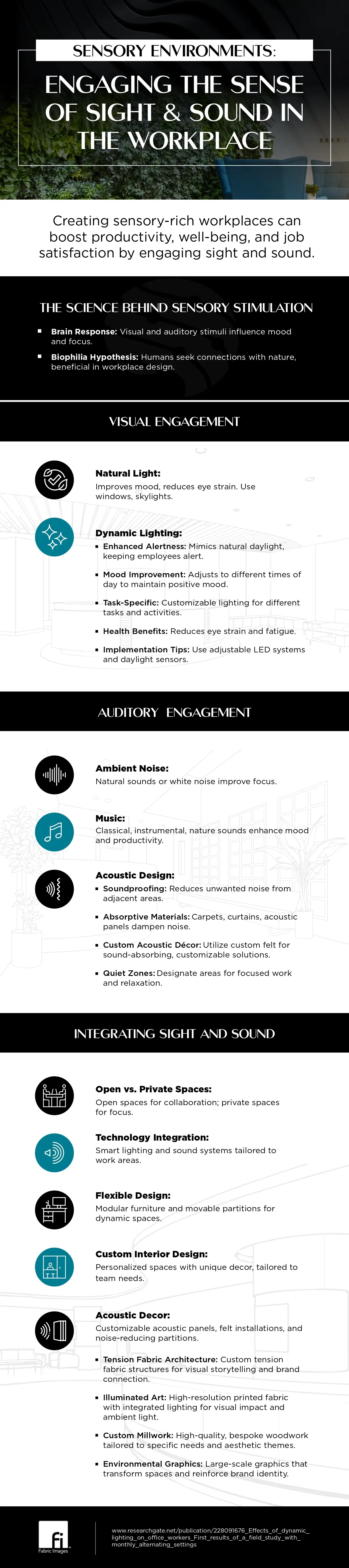
For more insights on sensory-driven workspace design, refer to the accompanying resource.
Business Outstanders brings you sharp insights on tech, business, entrepreneurship, law, crypto, and more. We uncover what’s next. Stay updated, sign up for our newsletter and be part of the future!