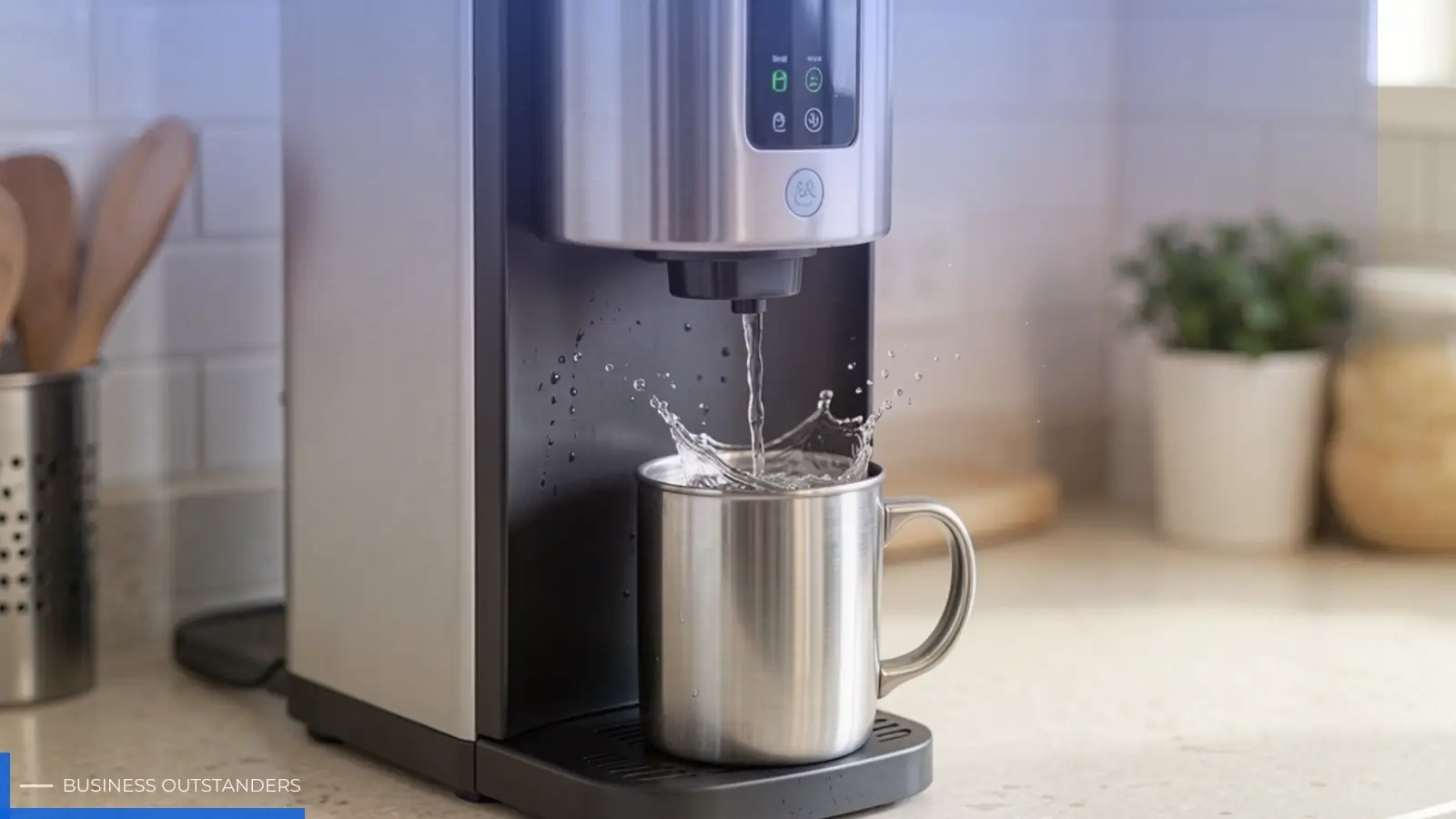
In recent years energy-efficient appliances have moved from being a niche choice to a mainstream priority for consumers. Rising electricity costs, greater environmental awareness and government incentives are driving buyers to rethink what they buy for their homes. Today people do not just consider price and brand. They ask how much energy an appliance will consume and what that means for their monthly bills and long-term impact on the planet.
This shift toward energy efficiency is reshaping buying decisions across a wide range of products from kitchen appliances to personal comfort devices. In this article we will explore why consumers care more about energy usage, how energy efficiency impacts purchasing behaviors and what trends are emerging as a result.
Why Consumers Care More About Energy Efficiency
There are three major forces pushing energy efficiency to the forefront of consumer minds.
1. Higher Utility Costs
Electricity and energy prices have not stayed flat. In many regions the cost of power has increased significantly in the last decade making energy usage a real cost concern. When utility bills go up people start to notice which appliances are the biggest energy drains. A refrigerator running 24 hours a day can make a larger dent in a monthly bill than a washing machine used a few times a week.
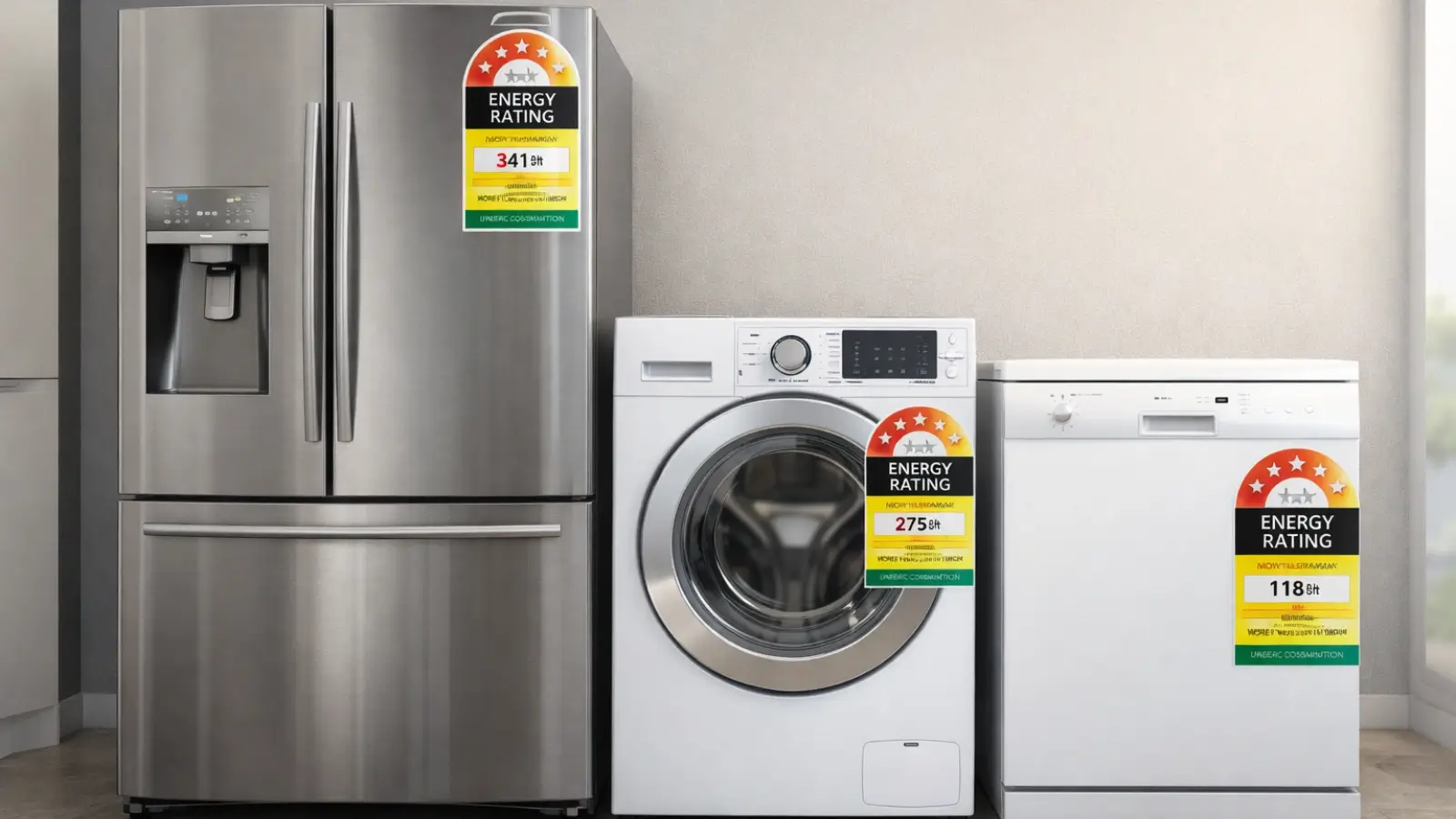
Because of this consumers are paying attention to energy labels, star ratings and estimated yearly energy use. They want appliances that save power and reduce monthly operating costs.
2. Environmental Awareness
Climate change and environmental impact are no longer abstract issues for many people. Media coverage, education and visible effects of global warming have made environmental responsibility a daily decision for households. Choosing energy-efficient devices is a simple and practical way consumers feel they can reduce their carbon footprint.
Many buyers research how efficient products are and prefer energy conscious brands. They look for products with strong energy ratings or eco modes that reduce power usage. Energy efficiency has become a moral preference as well as a financial one.
3. Incentives and Rebates
Governments and utilities often offer rebates or tax incentives for buying high efficiency appliances. These incentives make energy-efficient products more affordable and attractive to consumers. For example a homeowner might receive a rebate for purchasing a high efficiency air conditioner or heat pump.
Such incentives accelerate demand for efficient devices and push manufacturers to innovate. As a result appliances that consume less energy often cost less in total when rebates and lifetime savings are factored in.
How Buying Decisions Are Changing
Energy efficiency influences consumer choices in at least three clear ways. People care about total cost of ownership, brand reputation for sustainability and practical performance in everyday use.
Total Cost of Ownership
It is no longer just the purchase price that matters. Consumers ask how much an appliance will cost over its entire lifetime. An efficient washing machine or refrigerator might cost a bit more upfront but save hundreds in electricity bills over years of use.
Many shoppers use simple math to determine the real value of an appliance. They look at the energy rating sticker and read estimated annual energy consumption and compare it between models. A dishwasher that uses less energy and water can be a smarter choice than a cheaper model that uses more of both.
This focus on long term savings reshapes buying patterns. People buy fewer cheap appliances that cost more in energy and repairs. Instead they invest more in products with better efficiency, durability and lower long-term cost.
Brand Reputation and Sustainability
Companies that emphasize energy efficiency are gaining loyal customers. Consumers increasingly trust brands that commit to sustainability and make their products more efficient. This reputation matters especially for millennials and younger generations who value environmental stewardship.
Appliance makers now publish detailed energy reports highlighting their sustainability goals and provide transparent efficiency metrics. This builds trust and helps buyers choose products that align with their values.
Practical Everyday Performance
Energy efficiency is not just a theoretical number consumers want to know how it improves everyday life. For example users want to know if an energy efficient fan still provides enough airflow or if an efficient refrigerator can keep food cold even in a hot kitchen.
Manufacturers know this and are improving performance while keeping energy usage low. Smart technologies like variable speed motors sensors and adaptive control systems help devices work more efficiently without sacrificing comfort or performance.
Examples of Energy-Efficient Appliances That Matter
Energy efficiency is not limited to major items like refrigerators and washing machines. Even small household devices are being redesigned for lower energy use. Here are a few categories where efficiency is influencing purchase decisions.
1. Refrigerators and Freezers
Refrigerators run constantly so even modest improvements in energy usage lead to significant savings. Modern models use better insulation, improved compressors and digital controls to reduce wasted energy. Consumers now often compare energy usage between models using the energy guide label before making a choice.
2. Laundry Machines
Washing machines and dryers have become more efficient with features like moisture sensors and high-efficiency wash cycles that use less water and electricity. Many buyers choose front-load machines because they typically use less energy and water than older top-load models.
3. Air Conditioners and Heaters
Heating and cooling often account for the largest portion of household energy use. High-efficiency air conditioners, heat pumps and furnaces can drastically cut monthly bills. Buyers look at seasonal energy efficiency ratios (SEER) and energy star ratings when choosing these systems.
4. Lighting
LED bulbs replaced incandescent and CFL options because of their dramatic energy savings and longer lifespan. Today LED lighting is standard in many homes and is often included as a key factor in energy efficient renovations.
5. Portable and Personal Comfort Appliances
Portable fans heaters and similar devices have not escaped the efficiency revolution. For example many people now choose energy-saving fans that provide strong airflow with low power use. A good example can be found in the growing interest in the rechargeable fan category which combines mobility with low energy consumption.
Rechargeable fans use batteries and efficient motors to deliver cooling with minimal electricity draw. They appeal to buyers who want energy savings, portability and convenience. As more people work from home and seek personal comfort solutions that cost less to run, the demand for these efficient personal appliances continues to grow.
The Role of Energy Labels and Ratings
Consumers rely on labels to understand and compare energy usage. Clear energy ratings remove guesswork and create transparency. When buyers see how much power an appliance uses per year they can quickly identify the most efficient option in a product lineup.
Many regions require energy labels. In the United States the EnergyGuide label shows estimated yearly operating costs and energy use. The Energy Star program recognizes products that meet high efficiency standards. Similar rating systems exist in Europe, Asia and other markets.
These labels influence decisions at the point of sale. Customers know what they are getting and can justify paying a bit more upfront if the energy savings over time are significant.
How Technology Is Driving Efficiency
Technology plays a major role in reducing energy use. New materials, smarter electronics and improved design have transformed how appliances operate.
Smart and Connected Features
Smart appliances connect to home Wi Fi and use sensors to optimize performance. For example a smart thermostat learns a homeowner’s schedule to reduce heating and cooling when no one is home. A smart refrigerator can adjust cooling based on how full it is.
These intelligent features reduce wasted energy and enhance performance. Consumers increasingly view smart capabilities as part of energy efficiency, not just convenience.
Improved Components
Modern compressors, motors and controllers use better engineering to reduce energy loss. Brushless motors, variable speed drives and efficient power supplies make appliances more effective while using less energy.
Manufacturers invest in research to improve design. This drives competition and pushes the market toward ever more efficient products.
What This Means for Retailers and Manufacturers
Consumer demand for energy-efficient appliances affects not just buyers but also retailers and manufacturers. Companies that fail to embrace efficiency risk losing market share.
Retailers now highlight energy efficient models in stores and online. They train sales staff to explain energy ratings and long-term savings to customers. Some offer financing options that emphasize reduced monthly energy costs.
Manufacturers invest in efficiency as a core development strategy. They redesign products to qualify for top energy ratings and promote these achievements as a selling point. Efficiency becomes part of brand identity rather than an optional feature.
What Will the Future Bring
Energy efficiency will continue to shape buying decisions in the coming years. As technology improves and consumers demand more sustainable products we will see:
-
Even smarter appliances that optimize energy use in real time
-
Wider adoption of renewable energy when paired with efficient devices
-
Greater transparency in energy reporting and real life performance data
-
Increased consumer education about total cost of ownership
-
More personal comfort devices like efficient fans and heaters that use less power
The focus on energy use is not a passing trend. It reflects a broad shift in how people think about consumption cost and environmental responsibility.
Final Thoughts
Energy-efficient appliances are more than a trend. They represent a change in consumer values and behavior. People care about how products affect their wallets and the planet. They want appliances that perform well, save money and use less energy.
Whether it is a full-size refrigerator or a small efficient fan, energy efficiency now shapes buying decisions. Brands that listen to these needs and design products accordingly will thrive. Consumers, in turn, benefit from lower costs greater comfort and the satisfaction of making choices that align with their values.
Business Outstanders brings you sharp insights on tech, business, entrepreneurship, law, crypto, and more. We uncover what’s next. Stay updated, sign up for our newsletter and be part of the future!