Business travel demands more than a suitcase and a schedule. When time is tight, expectations are high, and delays are costly, the airport becomes the first test of your efficiency, preparedness, and calm. While you cannot control every disruption, you can control how well you prepare and how confidently you respond. Avoiding airport nightmares is not about luck. It is about smart strategy.
Here is a thoughtful guide to help you stay ahead of airport chaos and keep your business trip running smoothly.
Start with Smart Document Management
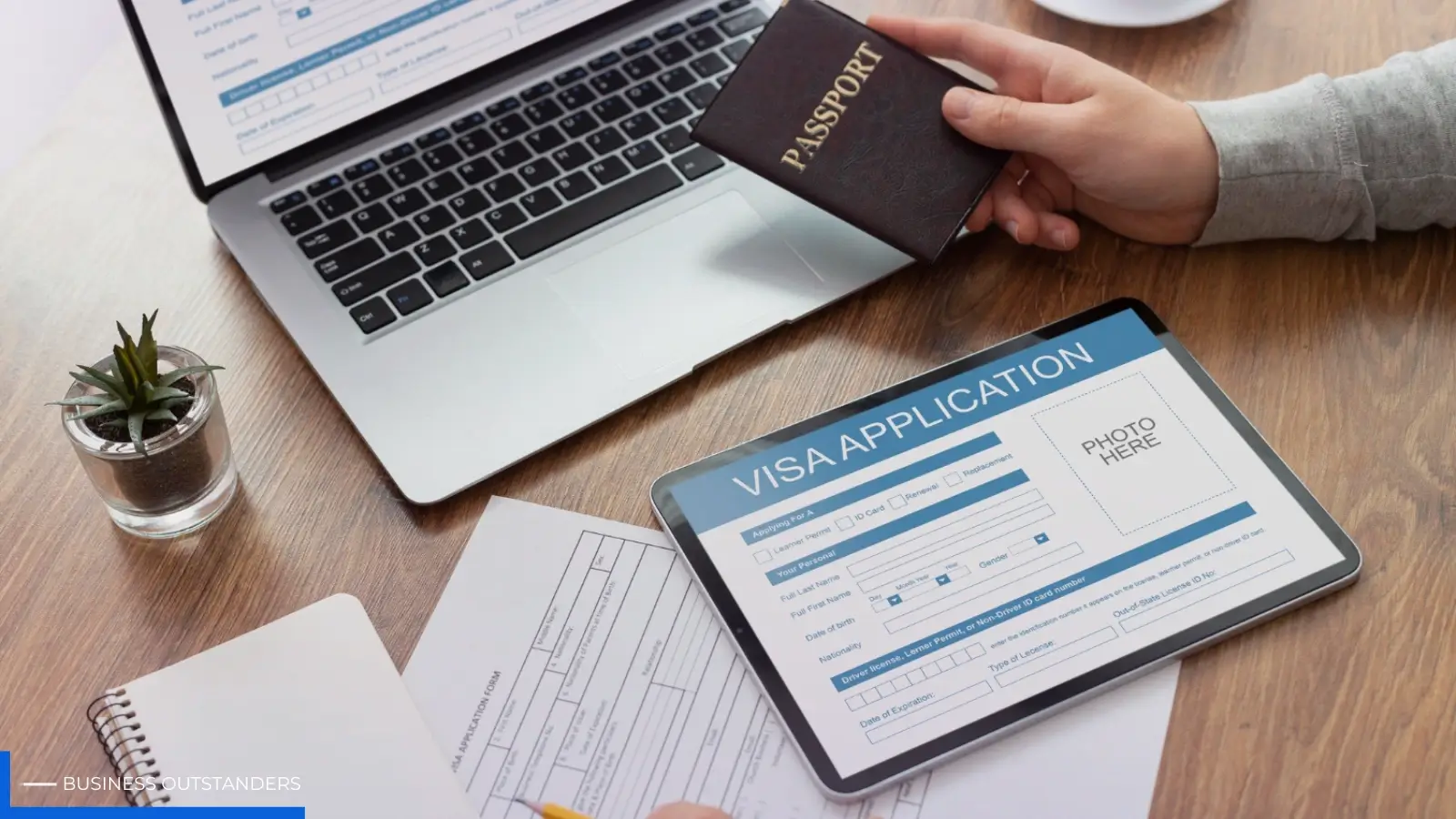
Your passport, travel confirmations, and boarding passes are more than paperwork. They are your passport to productivity. Always check the expiration date of your passport before booking. If it is close to expiry, damaged, or unexpectedly missing, an expedited passport service can help you secure your documentation quickly, avoiding any last-minute panic.
Keep both digital and physical copies of key documents. Store them in easily accessible folders on your phone or encrypted storage. This simple step often resolves issues quickly if anything is misplaced.
Master the Art of Efficient Packing
Travel for business is not just about what you pack, but how you pack. Long security lines, luggage delays, or lost baggage can derail your schedule. Carry-on packing is often the smarter choice for shorter trips. Use organizers, keep essentials like chargers and travel-sized toiletries accessible, and pack a change of clothes in your personal item in case your bag gets delayed.
When traveling with presentation materials, samples, or equipment, label everything clearly and be prepared for extra screening.
Know Your Airport and Airline Rules
Not all airports are created equal. Some have strict screening protocols, while others offer fast-track business lanes or priority boarding. Knowing what to expect ahead of time can save you from unnecessary delays.
- Use apps like TSA, airport websites, or airline tools to check alerts
- Monitor wait times at security checkpoints
- Confirm documentation requirements when traveling internationally
- Check whether your airline offers priority boarding or lounge access
Being informed is one of the most powerful forms of preparation.
Build Time Buffers into Your Schedule
Tight schedules may look efficient on paper, but in real travel scenarios, they create vulnerability. Business trips should include time buffers for any possible delay. A slightly earlier flight, a longer layover, or an extra night before an important meeting can protect your schedule from unexpected disruptions like weather delays, traffic, or last-minute security checks.
A small buffer can protect a big opportunity.
Handle Flight Changes and Cancellations with Confidence
If your flight gets cancelled or delayed, act fast. Instead of waiting in a queue, call the airline, use their app, or message support while you line up at the desk. This gives you multiple channels to find the fastest solution.
When you prepare ahead of time with flexible tickets or alternative route options, last-minute changes become manageable rather than overwhelming.
Keep Your Digital Tools Ready
Your phone is not just a communication device. It is your travel assistant. Having the right apps can help you manage disruptions smoothly. These include:
- Airline app for real-time updates
- Mobile boarding passes and contactless check-ins
- Airport maps and lounge locations
- Digital wallets for fast payment
- Language tools and translation aids if traveling abroad
With these resources at your fingertips, you stay adaptable and informed.
Protect Your Sleep and Mental Focus
Business travel often involves early mornings, late flights, and tight transitions. Protect your rest if you want to perform well. Airport stress feels heavier when you are sleep-deprived. Prioritize sleep-friendly flights, avoid late-night layovers when possible, and choose accommodations that allow easy rest. Keeping your mind focused and calm helps you navigate unexpected airport challenges more efficiently.
When Things Go Wrong, Control the Response
Sometimes, even with perfect planning, problems occur. The key is not to avoid all disruptions, but to manage them well. If your luggage is delayed, your carry-on essentials carry you through. If your schedule shifts, your buffer time protects your plans.
Prepared travelers worry less, solve more, and stay professional under pressure.
Preparation Is Key for Smooth Business Travel
In the world of business travel, airports are not obstacles. They are opportunities to showcase your preparation, composure, and adaptability. When you plan ahead, pack smart, protect your documents, and stay flexible, airport nightmares do not stand a chance. Instead of being caught off guard, you arrive ready to lead, represent, and succeed.
Business travel should open doors, not create problems. Smart planning makes all the difference.
Business Outstanders brings you sharp insights on tech, business, entrepreneurship, law, crypto, and more. We uncover what’s next. Stay updated, sign up for our newsletter and be part of the future!