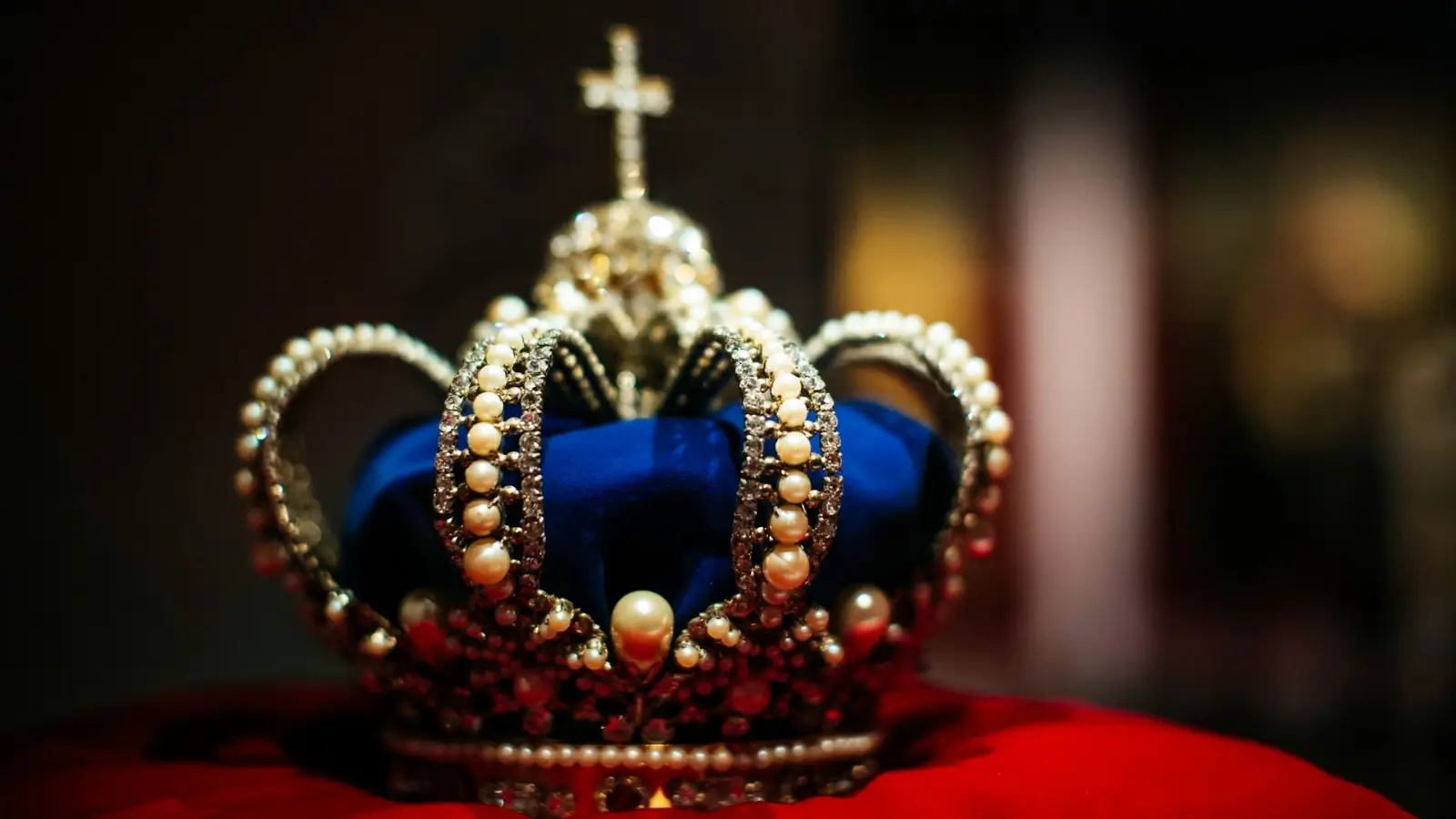
It is no wonder, why the royal family still makes headlines - it is not just what they’ve done over their long reigns of history and tradition, it’s all the money that comes with it. In 2026, the richest monarchs in the world have fortunes based on oil, land, banking and far‑flung royal assets. Their fortunes are a mix of centuries-old legacy and modern business power. Here is a look at the 10 wealthiest reigning monarchs and what makes each unique.
1. King Maha Vajiralongkorn – Thailand
At 72, King Maha Vajiralongkorn is still the richest royal in the world with an estimated $43 billion fortune. His fortune is tied up in large real estate interests, stakes in companies and valuable royal treasures. The Thai monarchy is an enormously influential cultural institution, and the king, a trained pilot with a military background.
2. Sultan Hassanal Bolkiah – Brunei
The sultan, Hassanal Bolkiah, 79, presides over an estimated $30 billion fortune, primarily derived from oil and gas. He is living in one of the biggest palaces on this planet and reportedly has an impressive fleet of luxury cars. His leadership style cherishes Brunei’s religious and cultural heritage.
3. King Salman bin Abdulaziz Al Saud – Saudi Arabia
King Salman, who is 89, has a net worth estimated around $20 billion. His fortune is rooted in Saudi Arabia’s oil reserves and royal family investments. He has a leading role in managing Islam’s holiest sites and has backed sweeping economic changes designed to initiate more modern growth.
4. Sheikh Mohammed bin Rashid Al Maktoum – Dubai, UAE
The 76-year-old ruler of Dubai has an estimated fortune of some $14 billion. His riches are based on airlines, real estate and big infrastructure projects. Credited with turning Dubai into a global business and tourism center, he also loves poetry and horse racing.
5. King Mohammed VI – Morocco
King Mohammed VI, 61 years old, with an estimated worth of $8.5 billion. His fortune is based on banking, real estate and investments in the country. He is renowned for his social reforms, developmental policies and close contact with the public through traditional customs.
6. Prince Hans‑Adam II – Liechtenstein
Prince Hans‑Adam II, 80, is worth around $7.2 billion. His wealth is primarily from banking and investments, including ownership of a major private bank. Despite his riches, he has a low‑profile life and is interested in art and history.
7. Grand Duke Henri – Luxembourg
Grand Duke Henri, 70, has a fortune of nearly $4 billion. His assets consists mainly of inherited lands and jewels. A man of modest public demeanor, he has helped steer Luxembourg into becoming one of Europe’s powerhouses.
8. King Charles III – UK
King Charles III, 76, has an estimated net worth of $2.3billion. He derives his income from personal estates and lands owned by the royal family. Amongst other things, he is recognised for his long‑standing commitment to environmentalism and organic farming, as well as philanthropy.
9. Emir Sheikh Tamim bin Hamad Al Thani – Qatar
Sheikh Tamim, 45, is the youngest monarch on this list and has a net worth of approximately $2.1 billion. Qatar’s riches are underpinned by natural gas, and he has leveraged international influence through major sports investments and global events.
10. Prince Albert II – Monaco
Prince Albert II, 67, has a net worth estimated at about $1 billion. He inherited his wealth from his family, real estate and Monaco’s casino industry. He is also known as someone with a great emphasis on environmental protection.
Final Thoughts
The world’s wealthiest royals in 2026 illustrate how royal power has adapted over time, mixing old traditions with global business power. These leaders have vast fortunes at their disposal, but their influence far exceeds wealth, especially as monarchies prepare the next generation of future kings and future queens. They have emerged as major players not only in domestic politics - constructing national economies and holding local cultures together, but also in affairs of war and peace among nations. Whether it is oil empires, real estate holdings, banking establishments or sovereign funds, their money knows no limits and neither does their power.
And although their lives may have been world's away from real life, the tales of these fantasy folk still hold a fascination for people all over the world. These kings and queens prove that while royalty can be deeply entrenched in the past, it’s also alive and well today—where heritage, power, and money are all too often enmeshed.
Business Outstanders brings you sharp insights on tech, business, entrepreneurship, law, crypto, and more. We uncover what’s next. Stay updated, sign up for our newsletter and be part of the future!