Eating healthy doesn't mean suffering through bland, boring meals. One of the biggest reasons people abandon their nutrition goals is taste fatigue when healthy food becomes so monotonous that even the most disciplined person starts craving something, anything, with flavor.
The good news? You can dramatically enhance the flavor of your meals without sabotaging your health goals. These five tips will transform your cooking from bland to brilliant, making healthy eating something you actually look forward to rather than endure.
1. Master the Art of Toasting Spices
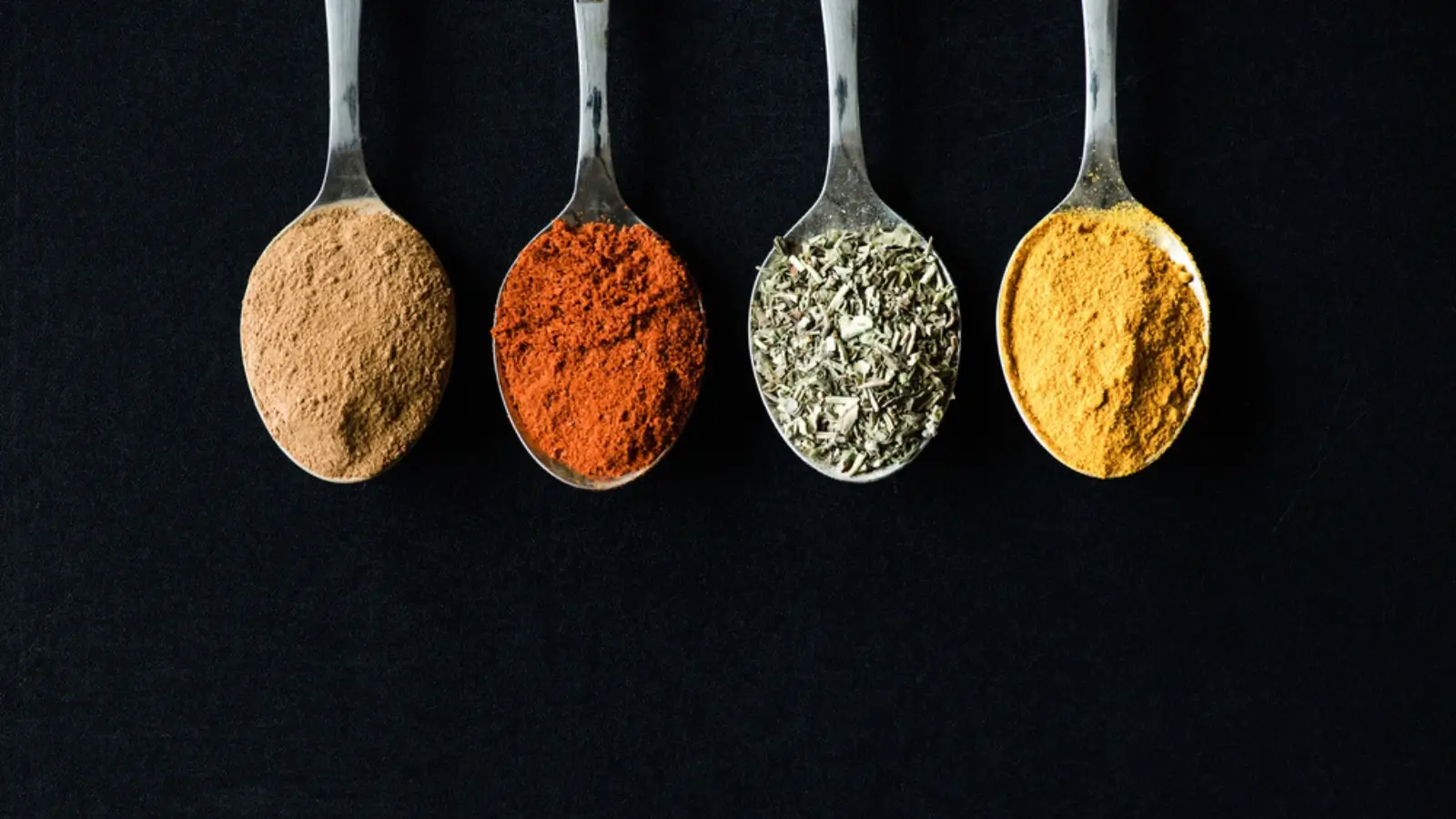
Most people add spices directly from the jar to their food, missing out on a flavor-enhancing technique that chefs have used for centuries: toasting spices before use.
Why it works: Toasting spices in a dry pan releases their essential oils, intensifying their aroma and flavor exponentially. The heat triggers chemical reactions that create new flavor compounds, making even common spices taste vibrant and complex.
How to do it:
- Heat a dry pan over medium heat
- Add whole or ground spices (cumin, coriander, fennel seeds, paprika)
- Toast for 1-2 minutes, stirring constantly, until fragrant
- Remove from heat immediately to prevent burning
- Use right away or grind whole spices after toasting for maximum flavor
Best applications:
- Toast cumin before adding to rice, beans, or roasted vegetables
- Toast paprika for a smoky depth in soups and stews
- Toast coriander seeds and grind fresh for curries and marinades
This simple 2-minute step transforms ordinary spices into flavor powerhouses. Try toasting curry powder before making a curry, or cumin before adding to taco meat; the difference is remarkable.
2. Use Lemon to Brighten Every Dish

If your food tastes flat or one-dimensional, it's likely missing acid. A squeeze of lemon, splash of vinegar, or dollop of yogurt can completely transform a dish by adding brightness and balancing flavors.
Why it works: Acid stimulates your taste buds, making all the other flavors in a dish pop. It cuts through richness, balances sweetness, and enhances savory elements. Professional chefs consider acid one of the fundamental building blocks of flavor.
Types of acid to keep on hand:
- Citrus: Lemon, lime, orange, fresh juice or zest
- Vinegars: Balsamic, apple cider, red wine, rice vinegar
- Fermented: Yogurt, buttermilk, pickles
- Tomatoes: Fresh, canned, or paste
How to use it:
- Add a squeeze of lemon to roasted vegetables just before serving
- Finish soups and stews with a splash of vinegar or lime juice
- Toss salads with a simple vinaigrette rather than heavy dressings
- Add a dollop of Greek yogurt to curries or chili
- Brighten grain bowls with pickled vegetables
The trick is adding acid at the end of cooking, not the beginning. This preserves the bright, fresh flavor rather than cooking it away. Start with a small amount; you can always add more, but you can't take it away.
3. Layer Flavors with Fresh Herbs
Dried herbs have their place, but fresh herbs bring a level of vibrancy and complexity that dried versions simply can't match. They're also one of the easiest ways to make simple ingredients taste gourmet.
The two-herb technique: Use herbs in two ways for maximum impact: cooked and fresh.
Cooked herbs (add early in cooking):
- Rosemary, thyme, oregano, bay leaves
- These woody herbs release flavor slowly and can withstand heat
- Perfect for soups, stews, roasts, and braises
Fresh herbs (add at the end):
- Parsley, cilantro, basil, dill, mint
- These delicate herbs lose flavor with heat
- Add just before serving for bright, fresh flavor
Easy applications:
- Sprinkle fresh parsley on literally everything; eggs, pasta, vegetables, grains
- Add fresh basil to tomato dishes at the last minute
- Stir fresh cilantro into curries, rice, or beans just before serving
- Top Greek yogurt with fresh dill and cucumber for a quick sauce
- Muddle fresh mint into water or tea for refreshing flavor
Growing herbs on your windowsill is incredibly easy and cost-effective. A small pot of basil, parsley, or cilantro provides fresh flavor for weeks and costs less than buying fresh herbs repeatedly.
4. Boost Flavor with Peanut Butter Powder
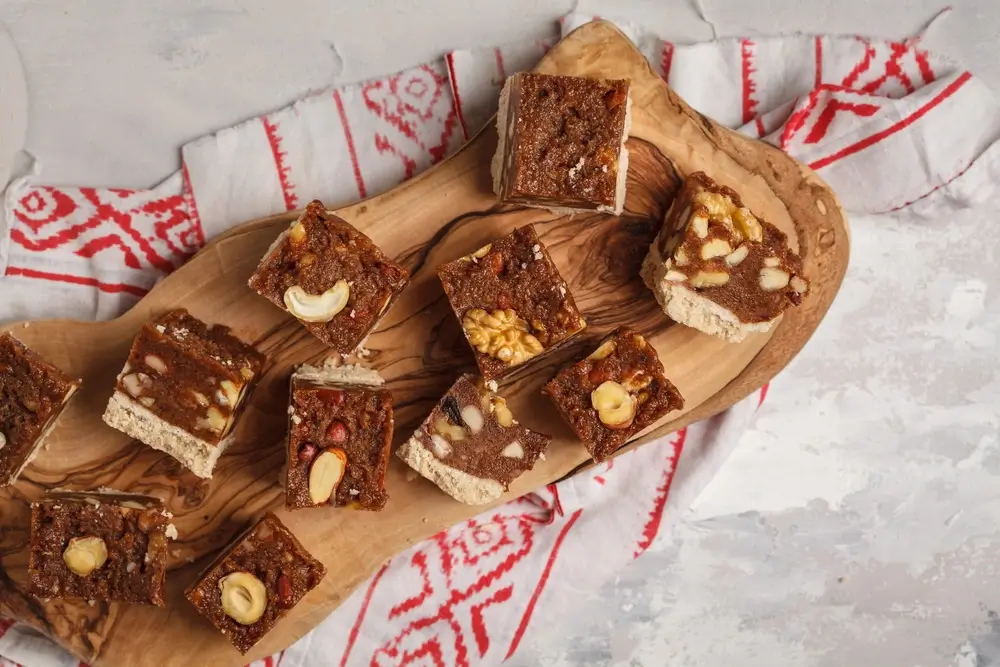
Here's a game-changing ingredient many people overlook: peanut butter powder (also called powdered peanut butter or PB2). It's made by pressing peanuts to remove most of the oil, then grinding what remains into a fine powder.
Why it's brilliant:
- Delivers rich peanut flavor with 85% fewer calories than regular peanut butter
- Adds protein and flavor without excess fat
- Mixes easily into both sweet and savory dishes
- Doesn't make foods greasy or heavy
Sweet applications:
- Stir into oatmeal or overnight oats for peanut butter flavor
- Blend into smoothies for protein and flavor without heaviness
- Mix into Greek yogurt with a drizzle of honey
- Add to protein pancake batter
- Dust over banana "nice cream"
- Mix with a tiny bit of water to make a lower-calorie peanut butter spread
Savory applications:
- Whisk into Asian-inspired sauces and dressings (think peanut sauce for noodles or satay)
- Add to curries for depth and richness
- Mix into marinades for chicken or tofu
- Stir into vegetable stir-fries
- Blend into hummus for a peanut-sesame fusion
Pro tip: Reconstitute peanut butter powder with less water than the package suggests for a thicker, more concentrated peanut flavor. Or use it dry as a coating for chicken or fish before baking.
The versatility of peanut butter powder makes it invaluable for adding flavor and protein to both breakfast and dinner without the calorie density of regular nut butters.
5. Build Depth with Umami Ingredients
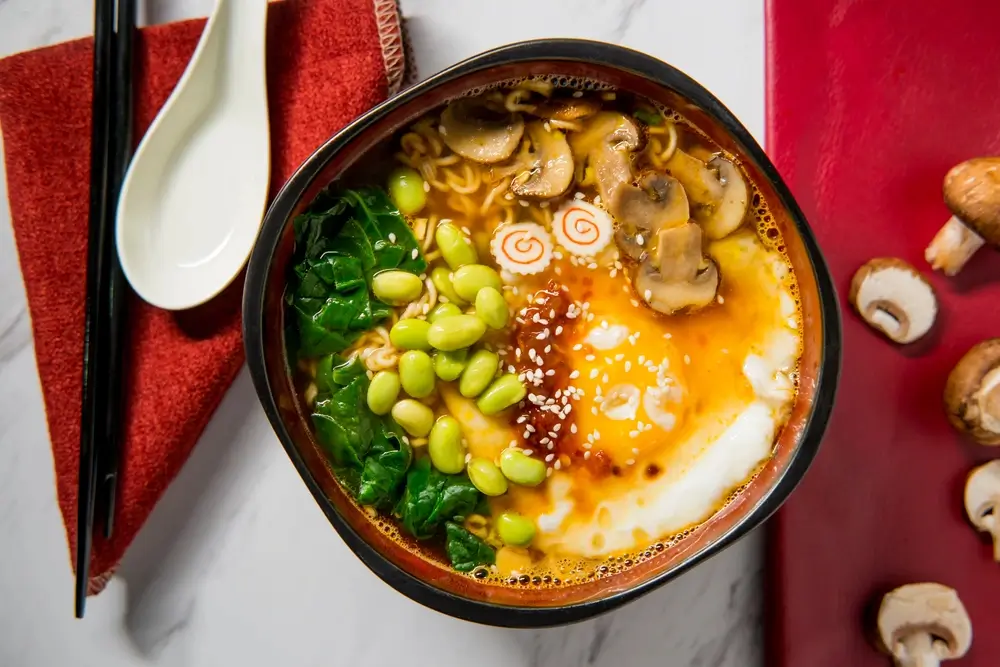
Umami, often called the "fifth taste", provides savory depth that makes food incredibly satisfying. Adding umami-rich ingredients can make simple dishes taste rich and complex.
Best umami boosters:
- Tomato paste: Sauté a tablespoon in your pan before adding other ingredients
- Soy sauce or tamari: Even a teaspoon adds savory depth to soups, stews, and marinades
- Nutritional yeast: Adds cheesy, savory flavor to vegetables, popcorn, and pasta
- Mushrooms: Fresh or dried mushrooms bring earthy umami to any dish
- Parmesan rinds: Toss into soups and sauces while cooking, then remove before serving
- Miso paste: Stir into dressings, marinades, or soups
- Worcestershire sauce: A few dashes deepen flavor in meat dishes and stews
How to layer umami: Combine two or more umami ingredients for exponential flavor impact. For example:
- Mushrooms + soy sauce in a stir-fry
- Tomato paste + Parmesan in pasta sauce
- Miso + nutritional yeast in a grain bowl
A little goes a long way with umami ingredients. Start with small amounts and adjust to taste.
The Bottom Line
Flavorful food isn't about drowning everything in butter, salt, and sugar. It's about understanding how to build and layer flavor using simple techniques: toasting spices to release their oils, adding acid for brightness, using fresh herbs strategically, incorporating peanut butter powder for protein and taste, and building savory depth with umami ingredients.
Master these five tips, and you'll never settle for bland healthy food again. Your taste buds, and your waistline, will thank you.
Business Outstanders brings you sharp insights on tech, business, entrepreneurship, law, crypto, and more. We uncover what’s next. Stay updated, sign up for our newsletter and be part of the future!