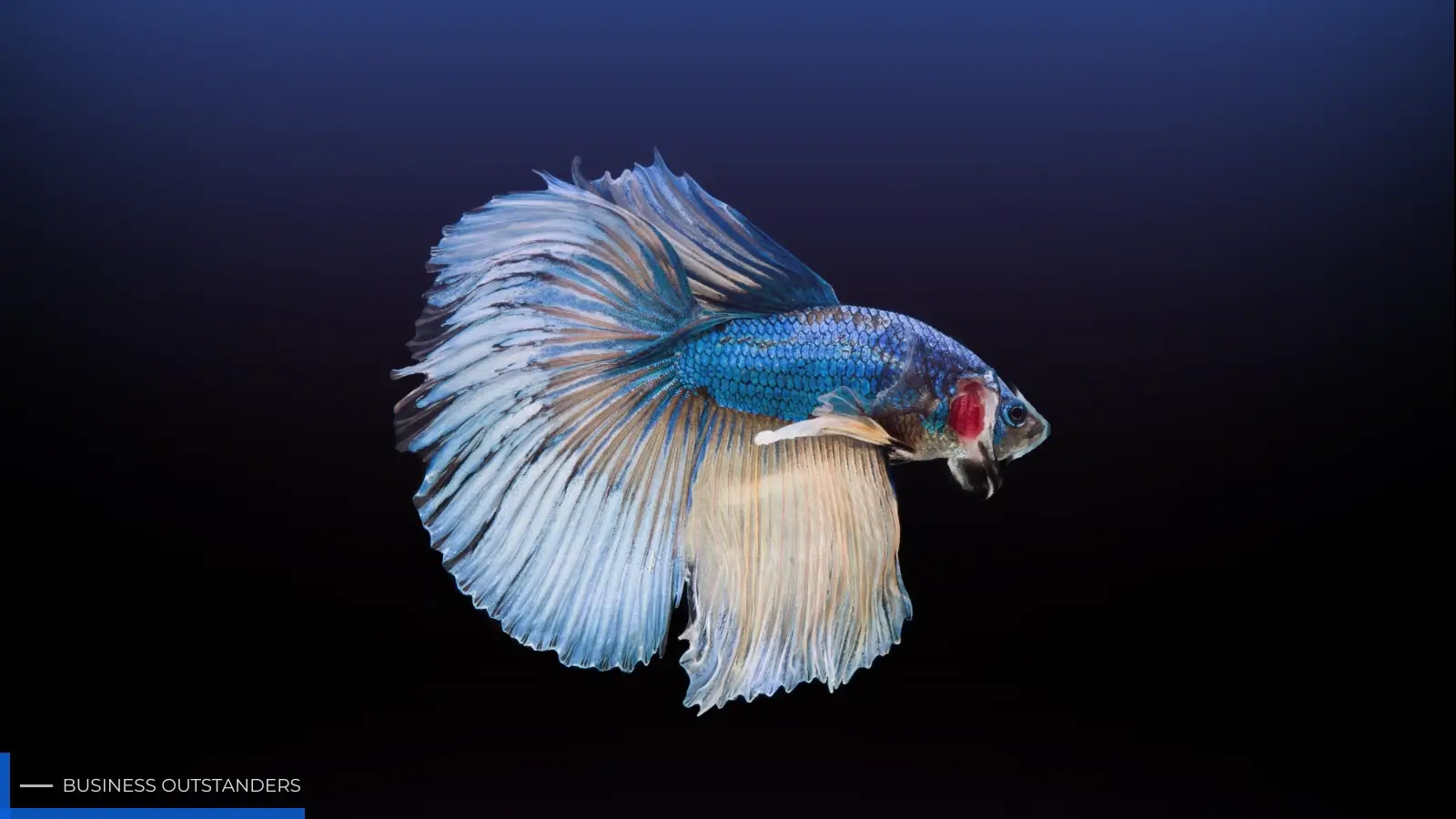
Male Bettas, commonly known as Siamese fighting fish, are among the most popular freshwater fish kept in home aquariums. Recognized for their bright colors, flowing fins, and distinct personalities, these fish are often chosen by both beginner and experienced aquarium keepers. Those looking to browse all male Bettas will quickly notice the wide variety of colors, fin types, and patterns available.
While Bettas are relatively easy to care for compared to some tropical fish species, they still require proper attention and consistent maintenance to remain healthy. Understanding their lifespan, habitat needs, feeding habits, and behavior is essential for providing suitable long-term care.
Lifespan of Male Bettas
Male Bettas generally live between two and five years in captivity. Their lifespan depends heavily on the quality of care they receive throughout their lives. Factors such as genetics, nutrition, water quality, tank size, and stress levels all contribute to their overall health and longevity. Bettas kept in poor conditions, including small containers with unclean water, often experience shorter lifespans and increased health problems.
Providing a stable and well-maintained environment can significantly improve a Betta’s quality of life. Consistent care routines, balanced feeding, and regular monitoring of their health are all important in helping them live longer. While Bettas are known for their resilience, they still require conditions that closely resemble their natural habitat to thrive.
Creating the Ideal Habitat
A suitable aquarium setup is one of the most important aspects of Betta care. In the wild, Bettas are found in shallow, slow-moving waters such as rice paddies, ponds, and marshes. These environments are warm and filled with vegetation, giving the fish places to rest and hide.
For home aquariums, a tank size of at least five gallons is recommended for a single male Betta. Larger tanks are generally easier to maintain because they provide more stable water conditions. Small bowls or containers are not suitable for long-term care, as they often lead to poor water quality and limited swimming space.
Decorations and plants can improve the Betta’s environment by creating shelter and reducing stress. Live or artificial plants, caves, and floating logs provide resting areas and encourage natural behaviors. However, sharp decorations should be avoided because they can damage the Betta’s delicate fins.
Water Temperature and Quality
Maintaining proper water conditions is essential for Betta health. As tropical fish, Bettas require warm water temperatures between 75°F and 80°F (24°C to 27°C). Water that is too cold can weaken their immune system, reduce activity levels, and increase the risk of illness. In most cases, an aquarium heater is necessary to keep the temperature stable.
Water quality is equally important. Ammonia and nitrite levels should remain at zero, while nitrate levels should be kept low through regular maintenance. Testing the water regularly helps identify problems before they affect the fish. Poor water quality is one of the leading causes of disease in Bettas and can significantly shorten their lifespan.
A gentle filtration system is recommended to help maintain clean water without creating strong currents. Bettas prefer calm water and may become stressed if the filter flow is too powerful. Sponge filters or adjustable filters are often suitable choices for Betta tanks.
Tank Maintenance Routine
Regular tank maintenance helps create a healthy and stable environment for Bettas. Partial water changes of around 25% to 30% should be carried out weekly to remove waste, excess food, and harmful toxins. During water changes, the gravel and decorations can also be cleaned to prevent the buildup of debris.
It is important to avoid changing all the water at once, as sudden shifts in water chemistry may stress the fish. New water should be treated with a water conditioner to remove chlorine and other harmful chemicals before being added to the tank.
Monitoring the aquarium equipment is also part of routine maintenance. The heater, filter, and thermometer should be checked regularly to ensure they are functioning correctly. Stable conditions reduce stress and contribute to better long-term health.
Nutritional Requirements
Male Bettas are carnivorous and require a protein-rich diet to maintain their health and energy levels. High-quality Betta pellets or flakes are commonly used as a staple food because they are specifically formulated to meet the fish’s nutritional needs.
To provide variety and additional nutrients, Bettas can also be fed live or frozen foods such as bloodworms, brine shrimp, and daphnia. These foods support healthy growth and can help improve coloration and activity levels. However, treats should be offered in moderation to avoid overfeeding.
Feeding schedules should remain consistent. Bettas are usually fed once or twice daily in small amounts they can finish within two minutes. Excess food left in the tank can pollute the water and contribute to health issues. Some keepers also include one fasting day per week to support digestion and reduce the risk of bloating.
Behavior and Social Interaction
Male Bettas are known for their territorial behavior, especially toward other male Bettas. Because of this aggression, they are generally kept alone. Housing two male Bettas together often leads to fighting and serious injuries.
Despite their territorial nature, Bettas may coexist with certain peaceful tank mates in larger aquariums. Suitable companions can include small non-aggressive fish or invertebrates, although compatibility varies between individual Bettas. Careful observation is necessary when introducing tank mates to ensure there are no signs of aggression or stress.
Bettas are also known for their interactive behavior. Many become familiar with their caretakers and may react during feeding times or when someone approaches the tank. This active behavior contributes to their popularity among aquarium enthusiasts.
Conclusion
Male Bettas require consistent care and proper living conditions to remain healthy throughout their lives. A well-maintained aquarium, balanced diet, stable water conditions, and regular observation all contribute to their overall well-being. Although Bettas are considered hardy fish, they still depend on proper care to achieve their full lifespan potential. With the right environment and routine, male Bettas can remain active, healthy, and visually appealing for many years.
Also Read: Discover the Mystical Beauty of Butterfly Telescope Goldfish: A Guide to This Enchanting Species
Business Outstanders brings you sharp insights on tech, business, entrepreneurship, law, crypto, and more. We uncover what’s next. Stay updated, sign up for our newsletter and be part of the future!