Identifying and Rectifying Misalignments Early
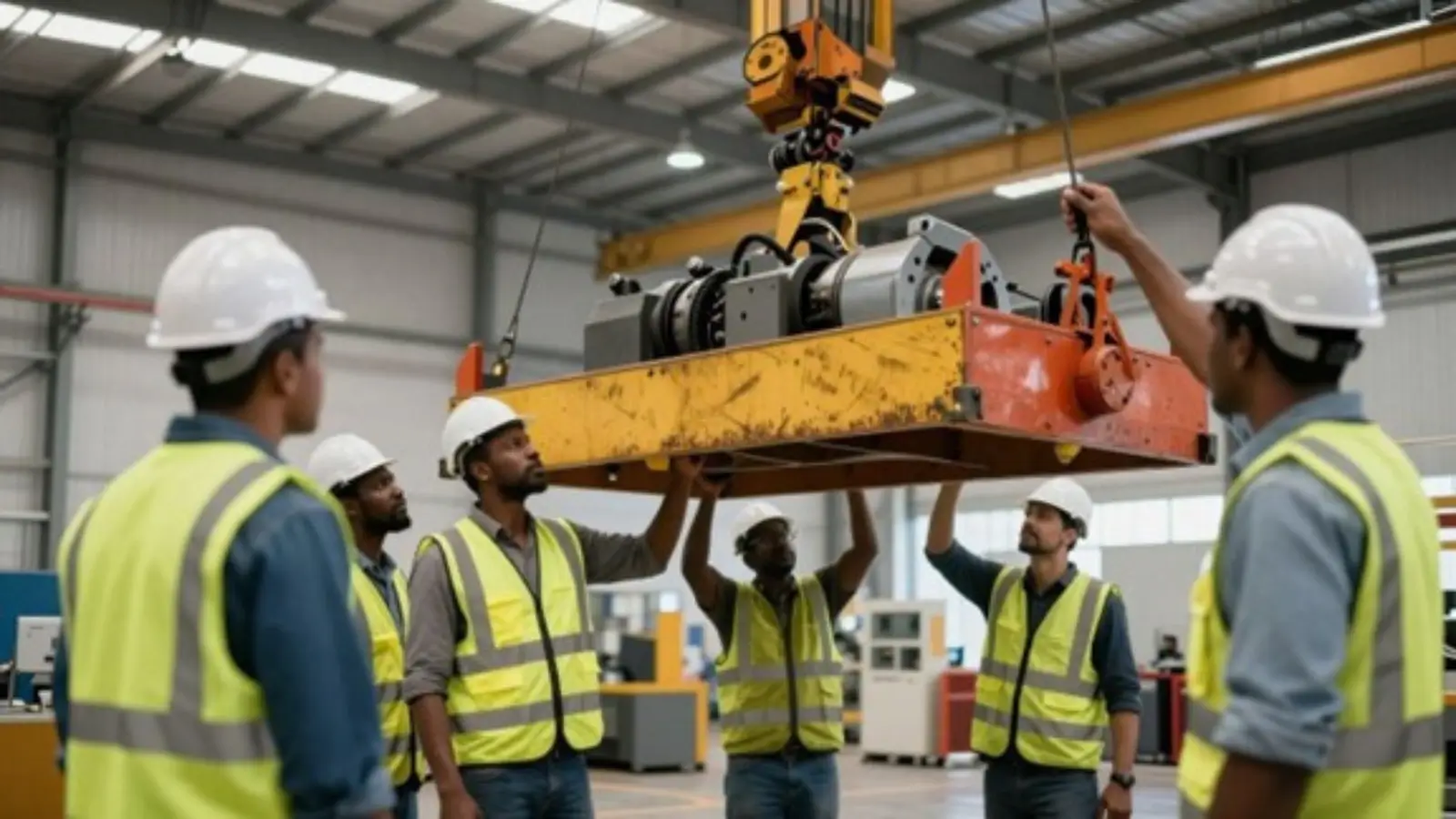
When relocating machinery, even small misalignments can lead to significant problems down the line. A supervisor on-site acts as the first line of defense, spotting deviations from the plan before they become expensive fixes. This vigilant oversight means checking that components are positioned correctly and that connections are precise. Early detection of misalignments saves both time and money. Without this watchful eye, a slightly off-kilter beam or an improperly seated part could cause stress on the entire system once operational, leading to premature wear or outright failure. This proactive approach to identifying and rectifying misalignments is key to preventing costly errors.
Ensuring Complete Workmanship
Supervision isn't just about catching mistakes; it's also about making sure the job is done right the first time. This involves verifying that all steps of the relocation process are executed according to specifications and best practices. A qualified supervisor will confirm that every bolt is tightened, every weld is sound, and every connection is secure. This attention to detail ensures that the workmanship is complete and meets the required standards. When workers know they are being observed, there's a natural inclination to perform at a higher level, contributing to the overall quality of the relocation.
Avoiding Overlooked Critical Issues
Machinery relocation involves numerous intricate steps, and it's easy for critical details to be missed, especially under pressure to meet deadlines. A supervisor’s role is to maintain a holistic view of the project, ensuring that no critical issue goes unnoticed. This might involve checking that safety protocols are followed, that temporary supports are adequate, or that environmental conditions are suitable for the work being performed. By systematically reviewing each phase and avoiding overlooked critical issues, supervisors protect the project from unforeseen complications and potential financial setbacks. This careful oversight is what separates a smooth relocation from one riddled with expensive problems.
Maintaining Project Momentum and Schedule Adherence
Keeping Workers Focused and Productive
Keeping a machinery relocation project on track means keeping the crew working efficiently. When supervisors are present, they can direct tasks, answer questions, and keep everyone focused on the job at hand. This direct oversight helps maintain momentum, preventing idle time that can easily creep into a project. A good supervisor ensures that workers have what they need, when they need it, so there are no unnecessary pauses.
A focused crew is a productive crew. When workers know what's expected and have clear direction, they perform better. This constant presence helps avoid the common pitfall of tasks taking longer than they should because of confusion or lack of guidance. It's about making sure every minute counts towards the project's completion.
Preventing Task Drag and Extended Breaks
Supervisors play a key role in preventing tasks from dragging on longer than planned. They monitor the pace of work and can step in if things are slowing down without a good reason. This includes making sure breaks are kept to a reasonable length and that workers return to their tasks promptly. Without this kind of oversight, what should be a short break can easily turn into a much longer one, impacting the overall schedule.
This active management of work pace is vital for schedule adherence. It's not about micromanaging, but about keeping the project moving forward. By observing the team's progress and intervening when necessary, supervisors help avoid the cumulative effect of small delays that can add up significantly over the course of a relocation.
Mitigating Budgetary Impacts of Delays
Delays in machinery relocation directly translate to increased costs. When a project runs over its scheduled time, labor costs continue to accrue, equipment rental periods extend, and potential penalties might come into play. Effective site supervision is key to maintaining momentum and thus, staying within budget. By keeping the project on schedule, supervisors help avoid these costly overruns.
Here's a look at how delays impact budgets:
- Extended Labor Costs: Each day a project is delayed means paying workers for an extra day.
- Increased Equipment Rental: Tools and machinery rented for a specific duration will cost more if the project takes longer.
- Potential Penalties: Some contracts include clauses for penalties if deadlines are missed.
- Overhead Expenses: Site setup, utilities, and other ongoing costs continue to mount.
Proactive supervision that keeps the project on schedule is a direct way to protect the project's budget from the financial drain of delays.
Ensuring Proper Material Utilization and Accountability
Verifying Correct Mix Ratios
Getting the mix ratios right for materials like concrete or adhesives is super important. If it's off, the whole thing could fail later. Supervisors need to watch this closely. They check the measurements before mixing starts. This step prevents weak structures and costly rework. It's about making sure the materials perform as they should.
Confirming Accurate Material Placement
It's not just about having the right stuff; it's about putting it in the right spot. Supervisors confirm that materials are placed exactly where the plans say they should go. This means checking dimensions and locations. Proper material placement stops problems down the line, like structural issues or needing to move things later. It’s a key part of accountability.
Preventing Material Disappearance
Materials cost money, and nobody wants them to go missing. Site supervision helps keep track of what's on hand and what's being used. This stops theft and waste. By having a clear system for material sign-out and inventory checks, supervisors make sure everything is accounted for. This accountability saves the project money and keeps things on schedule. It's a simple but effective way to manage project resources.
Confirming Construction Aligns With Project Blueprints
Accurate Wall Placement
Making sure walls go up exactly where the blueprints say they should is a big deal. Site supervisors check measurements constantly. They look at the plans and then look at the actual construction. This stops problems before they get too big. It’s about catching small errors early to avoid major rework later. This careful checking helps keep the whole project on track.
Precise Beam Alignment
When beams are installed, they need to be perfectly straight and in the right spot. Supervisors use tools to measure and confirm this. They compare the installed beams against the project blueprints. This step is vital for the building's stability. Misaligned beams can cause serious structural issues down the line. Proper alignment is a key part of confirming construction aligns with project blueprints.
Correct Routing of Utilities
Plumbing, electrical, and HVAC systems must follow the paths shown on the blueprints. Supervisors verify that pipes and wires are routed correctly. They check that everything is where it's supposed to be according to the plans. This prevents future problems with access or functionality. Following the blueprints for utility routing is a core task for site supervision.
Enhancing Communication Channels On-Site
Facilitating Worker Issue Reporting
When workers on the ground have a clear way to report problems, it stops small issues from snowballing. A good supervisor makes sure that reporting a problem is straightforward. This means workers feel comfortable speaking up without fear of reprisal. Clear communication channels are key to catching mistakes early. This direct line helps identify problems before they become costly errors.
Providing Contractor Updates
Keeping contractors in the loop is just as important. Regular updates from the site supervisor prevent misunderstandings about progress and any changes. This helps everyone stay on the same page, making sure the project moves forward smoothly. Good communication means contractors know what's expected and when.
Relaying Accurate Information to Suppliers
Accurate information flow extends to suppliers too. When the site supervisor provides precise details on material needs and delivery schedules, it avoids delays and incorrect orders. This careful relay of information helps manage resources effectively and keeps the project on track. Proper communication with suppliers is a big part of keeping the project moving.
The Role of Qualified Professionals in Supervision
Technical Understanding and Drawing Interpretation
Having someone on site who actually knows what they're looking at is a big deal. A qualified supervisor can read blueprints and technical drawings like a book. They spot when something doesn't line up with the plans, like a wall being placed a few inches off or a beam not quite hitting its mark. This kind of attention to detail prevents costly rework down the line. Without this technical know-how, small errors in interpretation can snowball into major problems, impacting the entire project's integrity and budget. It's about more than just looking at a piece of paper; it's about understanding the engineering and construction behind it.
Clear Instruction and Documentation Skills
A good supervisor doesn't just see problems; they know how to communicate solutions clearly. They can give precise instructions to the crew, making sure everyone understands their tasks and the standards expected. This also extends to documenting everything that happens on site. Keeping accurate records of progress, materials used, and any issues that arise is vital. This documentation serves as a record and helps in making informed decisions. Clear communication and thorough documentation are the bedrock of effective site supervision.
Avoiding Costly Mistakes by Untrained Supervisors
Sometimes, people think anyone can supervise a construction site, maybe a relative or a friend. But this is a common pitfall that leads to expensive mistakes. An untrained supervisor might miss critical issues, like incorrect concrete mix ratios or improper material placement, simply because they lack the background knowledge. This oversight can lead to structural weaknesses or premature material failure. Hiring a qualified professional for supervision isn't an added cost; it's an investment that saves money by preventing errors before they become major, budget-draining problems. That same “prevent the mistake before it becomes the invoice” logic shows up in About Solid Hook Inc., where they emphasize planning every move properly and providing on-site supervision during industrial machinery moving and rigging to keep safety, sequencing, and downtime under control. The expertise of a trained supervisor is invaluable in machinery relocation projects.
Recognizing Effective Site Supervision in Action
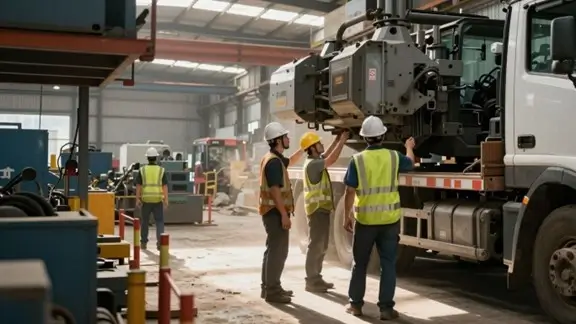
Observing Reduced Worker Complaints
When a site supervisor is doing their job well, you'll notice fewer grumbles from the crew. This isn't just about keeping people happy; it means issues are being addressed before they snowball. A good supervisor makes sure everyone knows what they're supposed to be doing and has the right tools. They handle problems quickly, so workers aren't left standing around or struggling with unclear instructions. This kind of attention means the team can focus on the task at hand, leading to a smoother workflow and less frustration all around. It's a clear sign that the site supervision is working.
Witnessing Smooth Material Flow
Effective site supervision means materials arrive when needed and are used correctly. You won't see piles of concrete sitting out too long or critical components missing. A supervisor tracks inventory and coordinates deliveries, making sure everything is accounted for. This prevents delays caused by shortages and stops materials from being wasted or disappearing. The careful management of resources is a direct outcome of good site supervision. This attention to detail keeps the project moving without costly interruptions.
Noting Steady Project Progress
Projects under good supervision show consistent forward movement. There aren't long periods where it looks like nothing is happening. A supervisor keeps the schedule in mind, pushing tasks along and coordinating different trades. They identify potential bottlenecks early and find ways to keep the work on track. This steady pace is a hallmark of effective oversight, showing that the project is being managed proactively and efficiently. It’s about making sure the work gets done right, on time.
Maintaining a Clean and Safe Work Environment
A site that is clean and safe is a strong indicator of effective supervision. This means tools are put away, debris is cleared, and safety protocols are followed. Supervisors are responsible for enforcing these standards, which not only prevents accidents but also makes the workspace more efficient. When the environment is well-maintained, workers can perform their tasks without unnecessary hazards. This focus on safety and order is a direct reflection of the supervisor's commitment to a well-run operation. It shows that the site supervision is prioritizing both the well-being of the crew and the integrity of the project.
Final Thoughts
When it comes to moving heavy machinery, skipping on-site supervision is a gamble nobody should take. It's the watchful eye that catches small issues before they turn into major headaches, saving both time and a significant amount of money. Think of it as the difference between a smooth, predictable process and a chaotic scramble. Having a qualified person present ensures that plans are followed, materials are used right, and communication stays clear between everyone involved. Ultimately, good supervision isn't just about checking boxes; it's about protecting your investment and making sure the job gets done correctly the first time around.
Business Outstanders brings you sharp insights on tech, business, entrepreneurship, law, crypto, and more. We uncover what’s next. Stay updated, sign up for our newsletter and be part of the future!