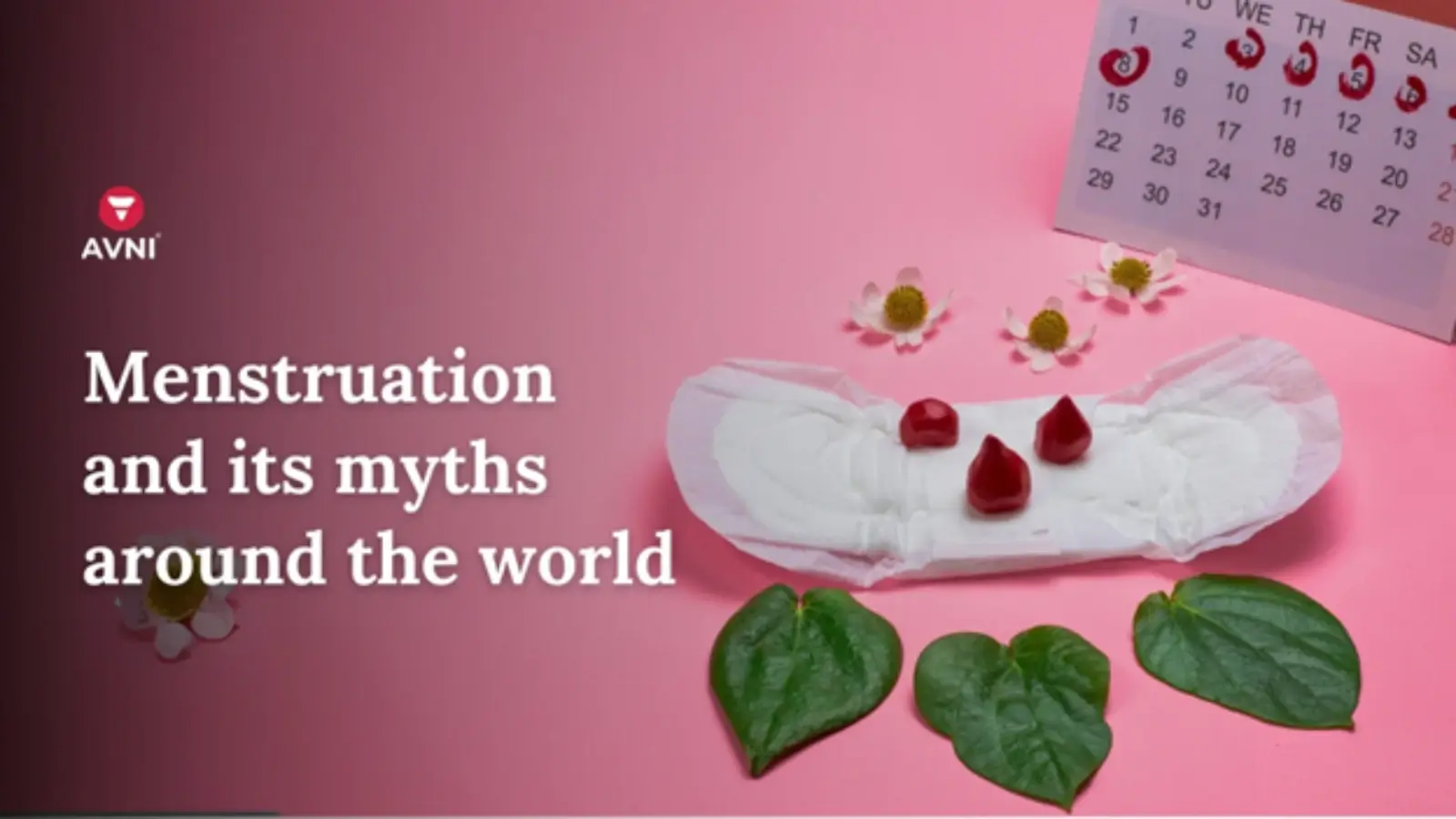
There is a specific calendar in our cultural imagination when it comes to the female body. It is a neat, tidy grid. We are taught, often in a rushed health class or through the simplified icons of tracking apps, that the menstrual cycle is a clockwork mechanism. It is supposed to be 28 days long. You bleed for five days, you ovulate on day 14, and you repeat.
For a twelve-year-old girl experiencing her first year of menstruation (menarche), this "perfect calendar" is not just a myth; it is a source of panic.
When her second period doesn't show up for 45 days, or when she gets two periods in a single month, the immediate assumption is that something is broken. "Am I sick?" "Is this normal?" "Why isn't my body following the rules?"
The reality is that for the first 12 to 24 months of menstruation, the body is not following a clock; it is calibrating an incredibly complex biological engine. Understanding why this chaos happens—and why it is actually a sign of health—is the most important lesson we can teach young menstruators.
The Learning Curve of the Brain
To understand the chaos, we have to look at the brain, specifically the Hypothalamic-Pituitary-Ovarian (HPO) Axis.
Think of the HPO axis as a three-way conference call between the hypothalamus (the boss), the pituitary gland (the manager), and the ovaries (the workers).
- The Hypothalamus releases Gonadotropin-Releasing Hormone (GnRH).
- The Pituitary receives this and releases Follicle-Stimulating Hormone (FSH) and Luteinizing Hormone (LH).
- The Ovaries receive these signals and produce Estrogen and Progesterone, eventually releasing an egg (ovulation).
In an adult woman, this communication is crisp and efficient. The signals are sent and received with precision, resulting in that predictable 28-to-30-day rhythm.
In a teenager, however, this communication line is full of static. The axis is "immature." The brain is sending signals, but sometimes they are too quiet, or the timing is off. The ovaries might start to rev up but then stall. This is not a malfunction; it is a rehearsal. The body is literally learning how to cycle.
The Phenomenon of Anovulation
The biggest driver of the "chaotic" first year is anovulation.
We assume that every period is the result of an egg being released. But in the first year after menarche, as many as 50% to 80% of cycles are anovulatory—meaning no egg was released.
When ovulation doesn't happen, the body doesn't produce the progesterone spike that normally signals the lining to shed neatly. Instead, the lining of the uterus (endometrium) just keeps building up under the influence of estrogen until it becomes unstable and sheds on its own.
This results in the two most common complaints of the teen years:
- Unpredictable Timing: Without the progesterone timer, the bleed happens whenever the lining gets too heavy. This could be 21 days or 60 days.
- Heavy/Light Flow: Anovulatory bleeds can be surprisingly heavy (because the lining built up for longer) or barely spotting.
This biological reality means that the "28-Day" standard is effectively useless for a beginner. Expecting a teenager to match an adult rhythm is like expecting a student driver to parallel park perfectly on their first day behind the wheel.
Reframing the "Normal"
So, if the calendar is wrong, what is the right metric? How do we distinguish between "normal teen chaos" and an actual medical issue like PCOS (Polycystic Ovary Syndrome) or endometriosis?
The medical guidelines for adolescents are much broader than for adults.
- Cycle Length: Anywhere from 21 to 45 days is considered normal for a teen. (For adults, the cap is usually 35-38 days).
- Duration: Bleeding for 2 to 7 days is standard.
- The 90-Day Rule: The general rule of thumb for concern is usually missing a period for three consecutive months (90 days) after the cycle has started.
Teaching these broader goalposts relieves an immense amount of pressure. It shifts the narrative from "My body is unpredictable and scary" to "My HPO axis is still in training."
The Tool of Empowerment: Data Over Fear
The antidote to the anxiety of the chaotic year is data. This is where the modern approach to menarche differs from previous generations.
Instead of just handing a girl a calendar and telling her to "mark the X," we should encourage symptom tracking. "Tracking" in the first year isn't about prediction (because prediction is impossible); it's about observation.
Encourage the tracking of:
- Flow intensity: (e.g., "Soaked a pad in 3 hours" vs. "Light spotting").
- Pain levels: (Crucial for identifying endometriosis early).
- Emotional state: (Tracking the pre-menstrual mood dip).
When a young girl tracks her data, she begins to see her own unique patterns emerge from the chaos. She learns that her "normal" might be a 40-day cycle with two days of heavy flow. This agency transforms menstruation from something that happens to her into something she understands.
The Role of Preparation
Because the timing is biologically destined to be erratic, the strategy must be "always ready." The fear of the "accident"—bleeding through jeans in math class because the period arrived two weeks "early"—is the primary source of school-day anxiety.
This is where the concept of the "go-bag" becomes vital psychology. It isn't just about hygiene; it's about security. Knowing that she has a discreet pouch in her backpack with everything she needs (pads, fresh underwear, maybe a pain reliever) acts as an emotional safety net. It neutralizes the threat of the surprise.
This preparation should be celebratory, not clinical. It is a moment to bond and validate the transition. Presenting a thoughtfully curated first period care package that includes not just the medical necessities, but also comforting items like chocolate, a heating patch, or a journal, reinforces the idea that self-care is a priority during this turbulent biological calibration.
Conclusion
The first year of menstruation is a biological storm. The hormones are surging, the brain is learning, and the body is changing faster than at any other time in life outside of infancy. By shattering the "28-Day Myth" and replacing it with the science of the learning curve, we give young girls the greatest gift of all: the knowledge that even in the chaos, their bodies are doing exactly what they are supposed to do.
Business Outstanders brings you sharp insights on tech, business, entrepreneurship, law, crypto, and more. We uncover what’s next. Stay updated, sign up for our newsletter and be part of the future!