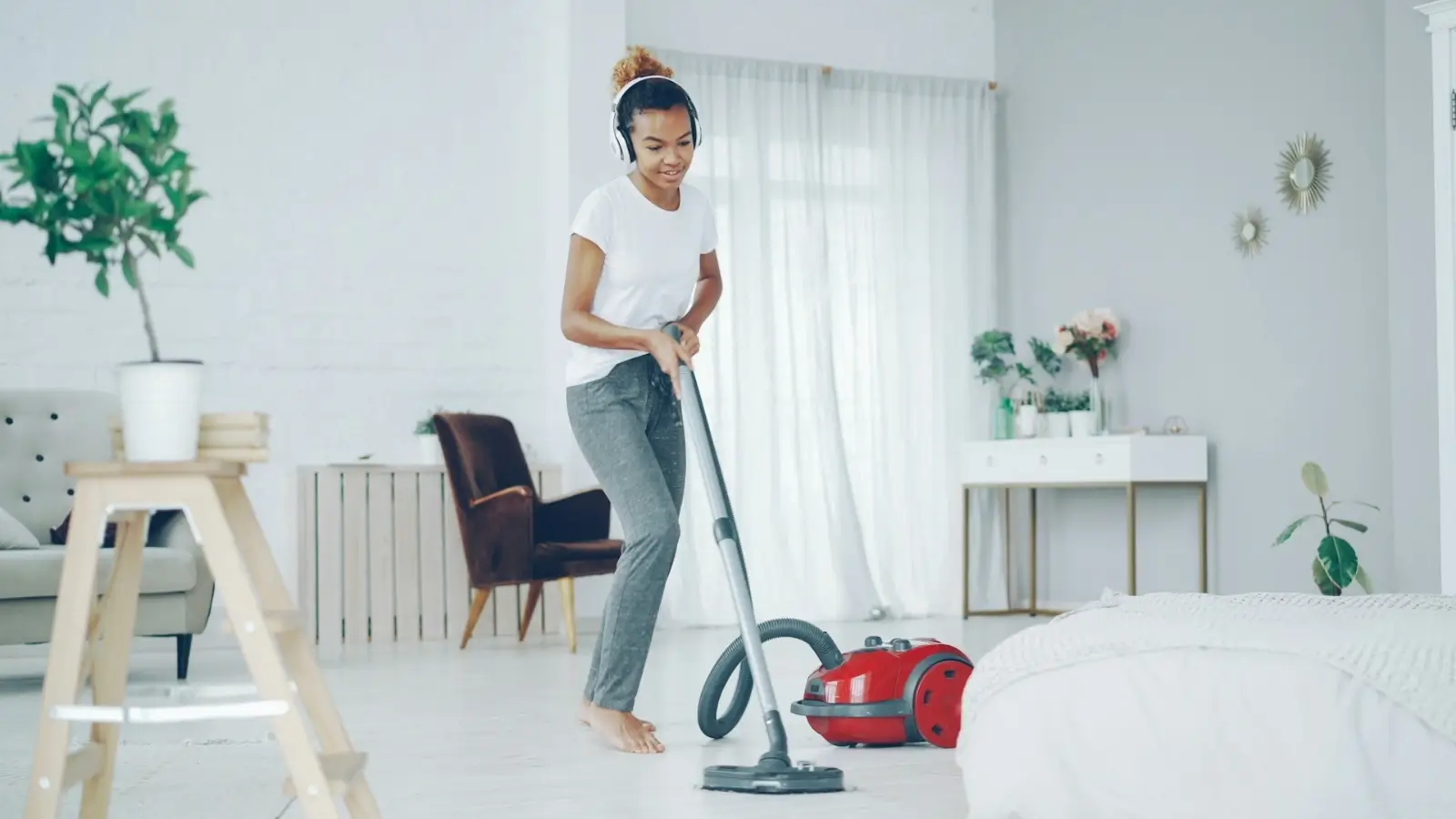
Maintaining a clean and organized home can often feel like an overwhelming task, especially when balancing work, family, and personal commitments. Many people struggle to keep up with the constant demands of tidying, dusting, and deep cleaning. This is where the concept of biweekly cleaning becomes a game-changer. By committing to a structured cleaning routine every two weeks, you can not only maintain a consistently clean and healthy living environment but also enhance your overall lifestyle. A biweekly cleaning schedule allows you to enjoy a balanced, stress-free approach to home maintenance while creating spaces that support comfort, productivity, and well-being.
Understanding Biweekly Cleaning and Its Importance
At first glance, cleaning every two weeks may seem insufficient for maintaining a spotless home. However, biweekly cleaning is designed to target key areas that accumulate dirt, dust, and clutter over time. The strategy prioritizes tasks that have the most impact on the overall cleanliness and hygiene of your home. By tackling these areas systematically, you prevent minor messes from growing into time-consuming problems. This proactive approach ensures that your home stays organized without requiring daily attention, offering both efficiency and peace of mind.
Reducing Stress Through a Regular Cleaning Schedule
A major advantage of biweekly cleaning is the significant reduction of stress associated with home maintenance. Without a clear plan, cleaning can quickly become overwhelming, leading to procrastination and inconsistent results. By establishing a predictable routine every two weeks, you can approach cleaning in manageable steps, breaking the process into structured tasks. This consistency ensures that your home remains organized and hygienic, allowing you to focus on other priorities while enjoying a comfortable living environment.
Key Components of a Biweekly Cleaning Routine
A comprehensive biweekly cleaning routine should balance surface cleaning, deep cleaning, and organization.
- Surface Cleaning: Includes tasks like dusting, wiping counters, and vacuuming floors to remove visible dirt and debris.
- Deep Cleaning: Focuses on hidden or neglected areas, such as under furniture, behind appliances, and inside cabinets.
- Organization: Involves decluttering, arranging items in designated spaces, and maintaining overall order.
By addressing these three areas consistently, your home will remain clean, functional, and visually appealing between sessions.
Health Benefits of Biweekly Cleaning
Maintaining a clean environment has significant health advantages. Dust, pet dander, and other allergens can accumulate quickly, contributing to respiratory issues and general discomfort. Regular biweekly cleaning helps minimize these risks by preventing buildup and maintaining healthier indoor air quality. Moreover, a well-kept home supports mental well-being, reducing stress and creating a calming environment conducive to relaxation and productivity. A consistent cleaning routine reinforces both physical and mental health, making it an essential part of a balanced lifestyle.
Choosing the Right Tools and Products for Efficiency
The success of a biweekly cleaning routine depends heavily on using appropriate cleaning tools and products. High-quality vacuum cleaners, microfiber cloths, and non-toxic solutions can make each session more efficient and effective. For deep cleaning, specialized products for specific surfaces such as tile, hardwood, or upholstery may be required. Investing in reliable tools not only enhances cleaning results but also reduces effort, making biweekly cleaning a practical and achievable habit.
The Role of a Structured Checklist
Creating a structured checklist is key to a successful biweekly cleaning schedule. Breaking tasks into categories like kitchen, bathroom, living areas, and bedrooms ensures that every space is systematically addressed. For instance, kitchen tasks might include wiping counters, cleaning appliances, and sanitizing sinks, while bathrooms require scrubbing toilets, showers, and mirrors. Living areas and bedrooms benefit from dusting, vacuuming, and organizing personal items. Following a checklist reduces the likelihood of missed areas and instills confidence that your cleaning sessions are comprehensive.
Time Management Advantages
One of the most appealing aspects of biweekly cleaning is how it balances time and effort. Daily cleaning can feel exhausting, while monthly deep cleaning may become overwhelming. A two-week schedule provides enough frequency to maintain a tidy home without taking over your life. Assigning specific amounts of time to each session allows homeowners to work efficiently, avoid burnout, and maintain consistent results. This rhythm ensures that cleaning becomes a structured habit rather than a dreaded chore.
Encouraging Household Participation
Involving all members of the household in biweekly cleaning increases efficiency and accountability. Assigning tasks based on age and ability allows everyone to contribute meaningfully. Children can handle simple tidying and organizing tasks, while adults focus on more labor-intensive cleaning. This shared responsibility fosters teamwork, reduces individual workload, and encourages the development of good habits. A collaborative approach ensures that cleaning is less stressful and more consistent.
Enhancing Home Atmosphere and Aesthetics
Regular biweekly cleaning does more than maintain hygiene; it improves the overall atmosphere of your home. Organized and clean spaces are visually appealing, making the home feel inviting and comfortable. Guests are more likely to feel welcome, and residents benefit from a calmer and more pleasant environment. Maintaining an orderly home also promotes mental clarity and reduces stress, creating spaces that support both relaxation and productivity.
Using Technology to Simplify Cleaning
Modern technology can further enhance a biweekly cleaning routine. Robotic vacuum cleaners, automated mop systems, and smart cleaning tools reduce manual effort, while scheduling apps and digital reminders help ensure sessions occur consistently every two weeks. By integrating these tools, homeowners can streamline the process, making biweekly cleaning even more efficient and accessible for busy lifestyles.
Combining Routine with Spot Cleaning
While biweekly cleaning provides structure and consistency, it should be complemented by occasional spot cleaning for spills, stains, or urgent messes. This combination ensures that your home remains pristine without the need for constant attention. By managing both scheduled and immediate cleaning needs, homeowners can enjoy a consistently hygienic and orderly environment.
Conclusion: Enhancing Your Home and Lifestyle with Biweekly Cleaning
Implementing a biweekly cleaning routine is more than a strategy for maintaining tidiness; it is a lifestyle choice that enhances health, organization, and overall quality of life. By focusing on high-impact tasks, using the right tools, creating structured checklists, and involving all household members, your home can remain clean, comfortable, and visually appealing without unnecessary stress. Beyond aesthetics, biweekly cleaning promotes mental clarity, reduces allergens, and fosters a sense of pride in your living space. With consistency and planning, a biweekly cleaning routine transforms household chores into a manageable, rewarding practice, supporting a healthier, more organized, and fulfilling lifestyle.
Business Outstanders brings you sharp insights on tech, business, entrepreneurship, law, crypto, and more. We uncover what’s next. Stay updated, sign up for our newsletter and be part of the future!