Leverage used to be one of the most useful words in business. It described the idea of getting more output from the same amount of effort.
The problem is that the word has started to mean too many things. For some entrepreneurs, leverage now means reach, attention, influence, or personal productivity. Those things may help, but they do not automatically build a business that can run without the owner.
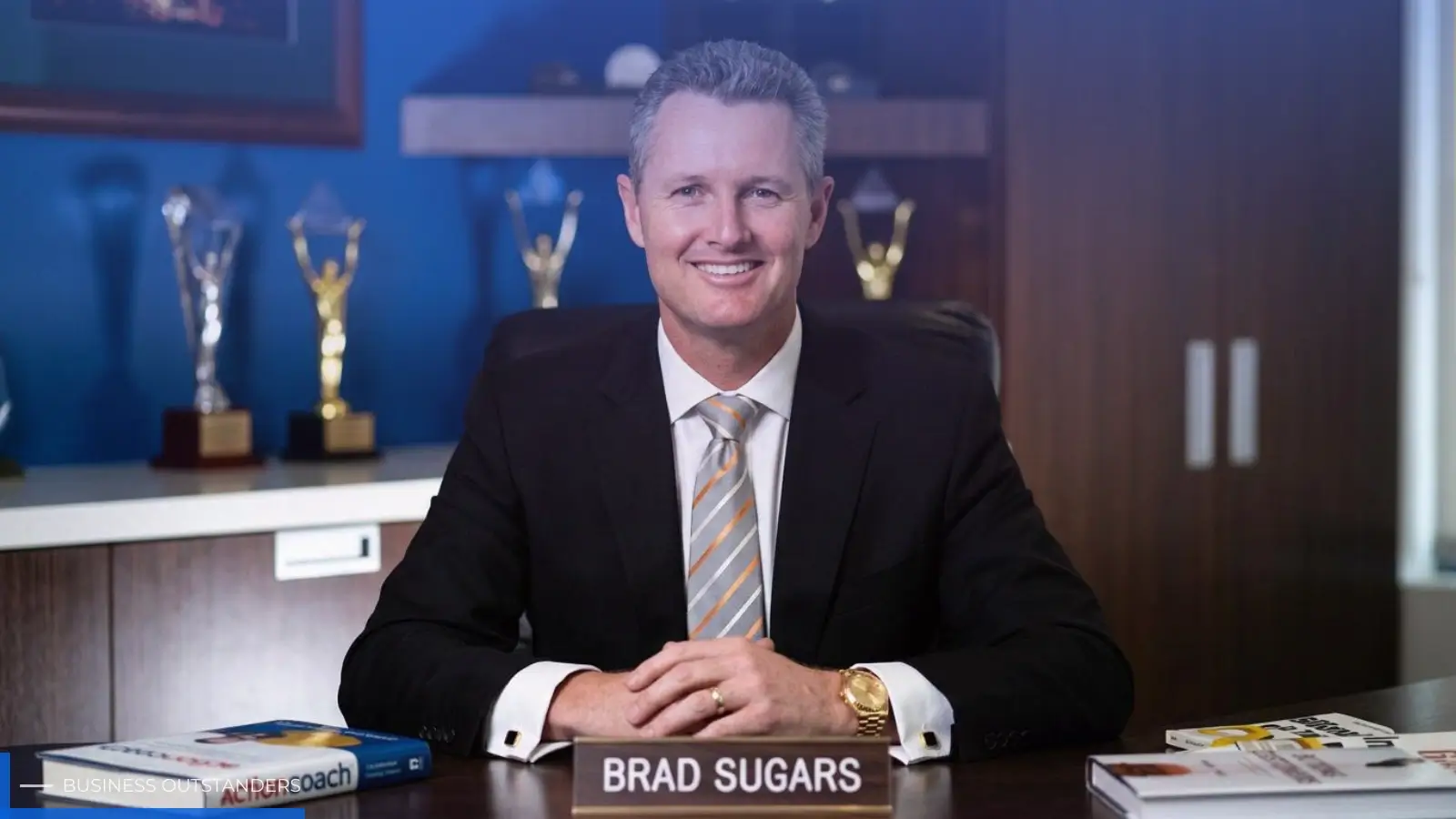
Brad Sugars updated his framework because precision matters. After more than 30 years of coaching entrepreneurs, he saw that the old language was no longer landing the right way.
The principle was still sound. The translation needed to change.
That is why Leverage became Systems in his updated framework. The shift is not cosmetic. It changes how business owners think about growth, delegation, and freedom.
What Does It Mean to Replace Leverage With Systems?
Leverage often suggests that one person is still pulling the lever.
The owner works harder, hires support, adopts tools, and tries to stretch their time further. The business may grow, but the owner remains the centre of too many decisions, approvals, and outcomes.
That creates a familiar trap. If the owner steps away, progress slows or stops. The business depends on one person’s attention, energy, and judgement.
Systems solve a different problem.
A system is a repeatable structure that produces a predictable result. It defines how marketing is done, how sales are handled, how customers are served, how finances are tracked, and how the team operates.
When systems are clear, the business no longer depends on the owner remembering every detail or solving every problem personally. The work becomes teachable, measurable, and easier to improve.
Why Leverage Became Confusing
Leverage is still a useful idea, but the word has drifted.
Some entrepreneurs hear leverage and think about social media reach. Others think about borrowing money, hiring assistants, using software, or building a personal brand. The word can point in several directions at once.
Systems are harder to misunderstand.
Systems point to process, structure, automation, accountability, and repeatable execution. That language forces the owner to look at how the business actually works, not just how much effort they can extract from themselves or their team.
Brad Sugars’ point is direct: multiplication does not come from being busier. It comes from building structures that keep producing results without constant personal involvement.
How Systems Change the Owner’s Role
A business built around leverage can still keep the owner trapped.
The owner may hire people, use better tools, and increase revenue, but still remain the centre of every decision. That is growth without independence.
A systems-based business changes the role of the owner.
Instead of being the person who performs every critical function, the owner becomes the architect of how those functions are performed. Their job shifts from doing the work to designing, testing, and improving the way the business operates.
That shift affects every area of the company. Marketing becomes a defined process instead of occasional activity. Sales follow a clear sequence instead of relying on personality. Operations are documented instead of improvised. Finance becomes measurable instead of reactive.
The business becomes easier to manage because the work is no longer hidden inside one person’s head.
Systems Create the Path to Scale
Growth and scale are not the same thing.
Growth often means adding more. More customers, more staff, more work, more complexity. Without systems, each increase adds pressure to the business and to the owner.
Scale works differently.
A scalable business can handle more demand without adding the same amount of cost, labour, or personal effort. That only happens when the business has systems strong enough to support expansion.
This is why Systems now sits before Team and Scale in Brad Sugars’ updated framework. A team without systems depends on constant management. Scale without systems creates chaos at a larger size.
The sequence matters. Mastery creates capability. Marketing brings visibility. Systems create consistency. Team expands capacity. Scale multiplies output. Freedom becomes possible when the business no longer depends on the owner to function.
What This Means for Business Owners
The practical test is simple: can the business produce consistent results when the owner is not personally involved?
If the answer is no, the issue is structural. The business may have revenue, customers, and a team, but it has not yet built the operating system needed for real independence.
That is the point of replacing Leverage with Systems.
The goal is not to squeeze more effort from the owner. The goal is to build a company that can operate through defined processes, trained people, measurable standards, and repeatable execution.
For many owners, that starts with documenting what already works. Then it means removing bottlenecks, assigning clear ownership, building performance measures, and using technology where it supports the process.
Systems are not paperwork for the sake of paperwork. They are how a business stops depending on memory, urgency, and personality.
How Brad Sugars’ Programs Apply This Shift
Brad Sugars teaches this systems-first approach through a staged business growth ecosystem. His programs range from Startup Club for earlier-stage entrepreneurs to higher-level groups such as the $1M Club, $10M Club, $100M Club, and Billionaire Blueprint Boardroom.
Each stage addresses a different level of business complexity. The common thread is structure.
Early-stage owners need foundations. Growing companies need predictable systems. Scaling businesses need leadership, delegation, and operational control. Larger companies need strategy that protects growth instead of creating new dependency.
This is why the updated framework matters. It gives owners a clearer map for what to build next and what to stop relying on.
Build Systems Before You Chase Scale
Leverage can make an owner more productive. Systems can make the business less dependent on the owner.
That difference changes the entire goal.
If the business still relies on you to move, approve, fix, and decide, more leverage will only stretch the same limitation further. Start with the systems that remove that dependency.
Explore Brad Sugars’ frameworks and programs to identify where your business still depends on personal effort, then begin building the processes that allow it to grow with structure. That is how a business moves from busy to scalable, and from scalable to free.
Business Outstanders brings you sharp insights on tech, business, entrepreneurship, law, crypto, and more. We uncover what’s next. Stay updated, sign up for our newsletter and be part of the future!