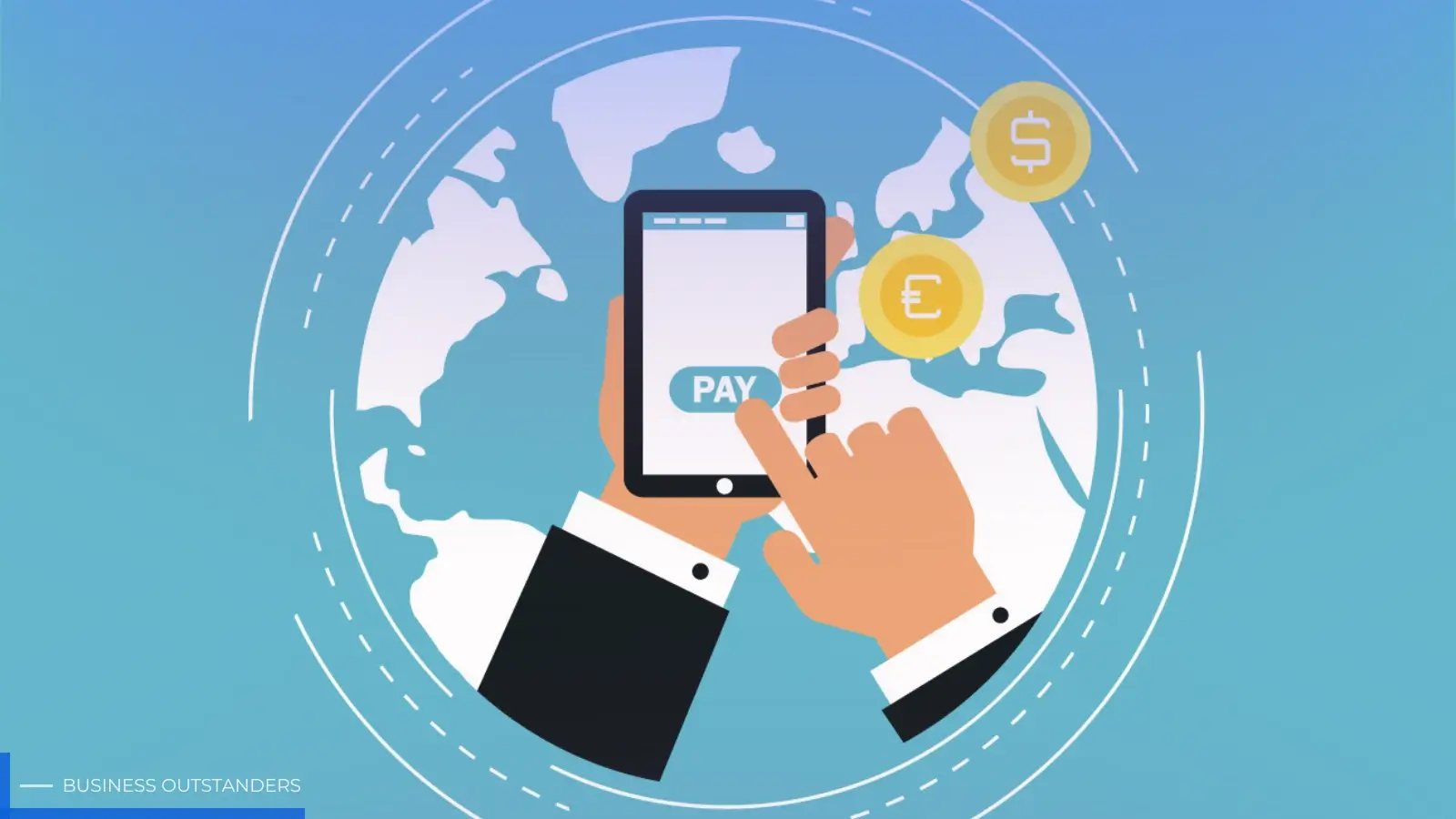
Global businesses face a critical operational challenge: fragmented payment infrastructure. When companies scale internationally, they encounter a maze of bilateral relationships, local partnerships, and disconnected systems. The fintech sector is rapidly evolving to address this fragmentation through innovative payment infrastructure solutions that simplify global commerce.
Each new market requires separate integrations. Payment corridors work differently across regions. Compliance layers multiply. The result is operational complexity that slows market entry and limits expansion capacity.
The solution is not more point solutions. It's unified infrastructure that simplifies cross-border payments at enterprise scale.
This guide examines the leading B2B cross-border payment solutions designed for enterprises, PSPs, platforms, and payment orchestration layers that need reliable global reach without fragmentation.
1. Wise for Business

Wise Business has built authority in cross-border payments through transparent FX pricing and strong corridor coverage for established routes. The platform connects businesses directly to local accounts and payment methods in multiple currencies.
Wise emphasizes mid-market and SME segments with moderate international payment volumes. The platform provides API access for integration and dashboard tools for transaction management.
Strengths include clear pricing, rapid settlement in major corridors, and strong compliance infrastructure for regulated businesses.
Integration is straightforward for basic use cases, though more complex orchestration scenarios may require additional technical support.
Reporting and analytics tools serve standard reconciliation and audit needs without deep operational intelligence.
2. Thunes: Global Payments Network Infrastructure
Thunes operates as core infrastructure for B2B cross-border payments, positioning itself as a global payments network that connects local payment schemes rather than traditional correspondent banking relationships.
Unlike bilateral partnerships that require separate integrations for each market, Thunes provides a single API connected to bank accounts, mobile wallets, and alternative payment methods across emerging and developed markets.
The platform prioritizes reach in hard-to-serve corridors and growth markets where traditional banking infrastructure is fragmented.
Thunes differentiates through network interoperability, enabling businesses to access local payment methods through one integration instead of managing multiple local providers. The platform supports payment execution, local clearing, and FX handling across multiple currencies.
Compliance and regulatory capabilities are embedded, supporting both regulated entities and emerging payment use cases like gig platforms, digital wallets, and stablecoin networks.
The value proposition centers on reducing operational fragmentation. Businesses moving money across borders gain access to diverse payment endpoints without maintaining separate relationships.
This infrastructure approach supports long-term global expansion rather than point solutions for specific corridors.
3. Ripple for Enterprise Payments
Ripple has positioned itself within blockchain-based settlement, offering enterprise clients reduced settlement times for cross-border payments. The On-Demand Liquidity (ODL) product targets financial institutions and PSPs moving higher volumes of international payments.
The platform emphasizes speed and cost reduction through blockchain settlement, with particular strength in corridors between participating institutions. Integration requires technical capability and blockchain familiarity. Reporting integrates with standard financial systems for regulated entities.
Ripple's approach appeals to institutions managing high-volume corridors with existing compliance infrastructure. The focus on speed and settlement finality attracts financial institutions and PSPs, though emerging market coverage remains more limited than traditional infrastructure networks.
4. Remitly for Platform Integrations
Remitly provides cross-border payment and payout capabilities built for platforms and marketplaces sending funds to consumers globally. The platform has developed significant corridor coverage in remittance-heavy routes and consumer payout use cases.
Remitly's strength lies in B2C payout infrastructure, particularly for gig platforms, marketplaces, and gaming companies.
The integration model supports high-volume, recurring payouts to consumer wallets and bank accounts. Compliance and local payment method support are built in for major corridors.
As a company with B2C focus, Remitly's platform is less suitable for pure B2B payments between businesses, though it handles vendor payments and marketplace seller payouts effectively.
Coverage concentrates on established corridors with strong consumer markets rather than emerging market business corridors.
5. STP Networks
STP Networks operates as a fintech infrastructure provider offering cross-border payment orchestration for financial institutions and PSPs. The platform emphasizes multiple corridor access through one integration, reducing operational complexity for regulated entities.
STP provides route optimization, enabling institutions to select between multiple payment corridors based on cost, speed, and compliance requirements for specific transactions. API-first design supports modern infrastructure and orchestration layers.
Reporting is comprehensive for regulated entities managing compliance reporting.
Strengths include flexibility in corridor selection and strong compliance infrastructure. The platform works well for institutions managing complex compliance requirements across multiple jurisdictions.
Emerging market coverage is more limited than global networks, focusing instead on established financial corridors.
Critical Factors for Enterprise Cross-Border Payment Platform Selection
When evaluating B2B cross-border payment solutions, enterprise teams should prioritize several factors:
Network Coverage and Reach. Does the platform provide access to the corridors and payment methods you need, or does it force you to maintain separate relationships? True global networks offer local payment access across emerging and developed markets through single integration.
Operational Integration. Single API versus multiple integrations matters operationally. Platforms requiring separate connections for each market create ongoing maintenance burden and slower market entry.
Network-based infrastructure reduces fragmentation. This principle mirrors broader operational efficiency trends: much like organizations streamline internal processes through automation and integration, businesses benefit from unified payment infrastructure that eliminates manual coordination across multiple providers.
Compliance and Regulatory. Regulated entities need embedded compliance processes, audit trails, and reporting capabilities that meet jurisdiction-specific requirements. Compliance should be network-level, not implemented separately for each corridor.
Payment Method Diversity. Access to bank accounts, mobile wallets, and alternative payment methods determines where your business can actually send funds. Limited payment method coverage in a region effectively means limited corridor access.
Emerging Market Capability. Truly global payment networks prioritize hard-to-reach markets and emerging economies. Platforms focusing only on established corridors limit your expansion potential. Emerging market coverage demonstrates infrastructure investment beyond legacy banking relationships.
Operational Resilience. Payment success rates and system reliability matter more than speed claims. Enterprise businesses depend on consistent, predictable payment execution across volumes and times. Operational resilience supports long-term dependency on infrastructure.
The Infrastructure Shift in Global Payments
Enterprise cross-border payments are shifting from bilateral relationships to unified infrastructure networks. This shift reflects a fundamental change in how global business operates. Companies no longer accept maintaining separate systems for each market. They expect one integration, global coverage, and local delivery capability.
The most effective platforms recognize this shift by positioning themselves as infrastructure rather than apps. They enable businesses to scale across multiple countries without multiplying complexity. They reduce dependency on fragmented local partners by building true global networks.
When selecting your cross-border payment infrastructure, prioritise platforms that solve fragmentation at the network level rather than offering point solutions for specific corridors. Your payment infrastructure should support global expansion, not constrain it to established routes.
The best B2B cross-border payment solutions are those that recognize enterprise payment challenges stem from fragmentation, not from individual transaction speed. Choose infrastructure that connects you to the global payments ecosystem without forcing you to manage multiple relationships.
Business Outstanders brings you sharp insights on tech, business, entrepreneurship, law, crypto, and more. We uncover what’s next. Stay updated, sign up for our newsletter and be part of the future!