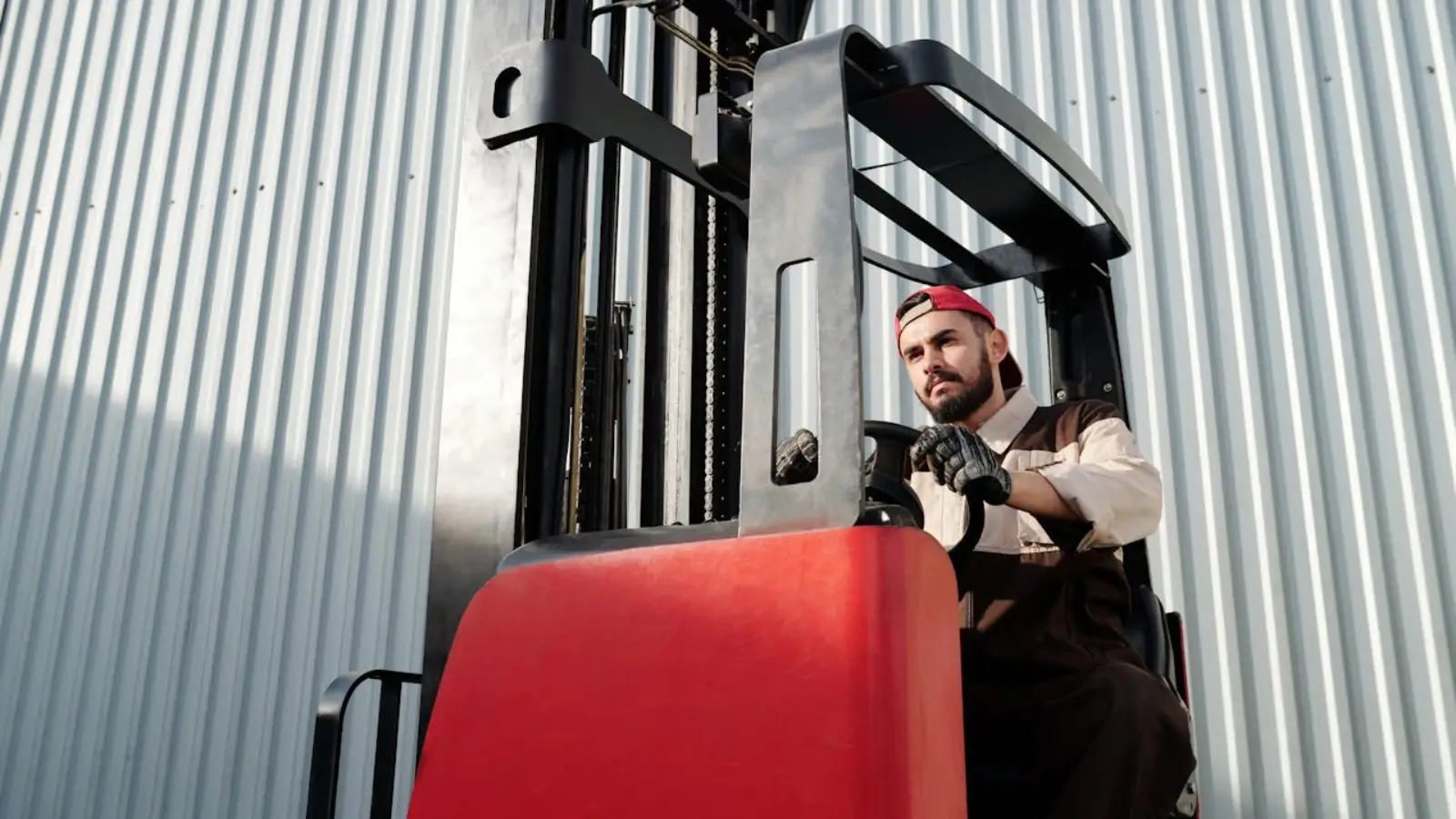
E-commerce moves fast. Orders come in around the clock, inventory shifts daily, and space fills up quicker than expected. Many operations hit a point where shelves overflow, work areas feel cramped, and efficiency drops. Expanding a warehouse often costs time and capital that growing teams cannot spare. That’s why flexible storage solutions matter more than ever. Modern industrial options allow operations to scale without disrupting daily workflows. They provide room for inventory, equipment, and even administrative tasks while keeping everything close to where work happens. When storage supports movement instead of slowing it down, teams stay focused, accurate, and ready for the next surge.
Here's what you need to know about industrial storage options:
Understand Why Storage Strategy Matters in High-Volume E-Commerce
Storage decisions shape how smoothly an operation runs each day. Poor layout leads to wasted steps, misplaced inventory, and slower fulfilment. A clear strategy helps teams move products quickly while keeping stock visible and accessible. High-volume operations need systems that match their pace, especially during promotions or seasonal demand shifts. Smart storage planning also reduces stress on workers by creating defined zones for receiving, sorting, and packing. When everything has a place, mistakes drop, and output improves. A strong approach also supports growth, since adding new product lines becomes easier when space stays organized and adaptable.
Flexible Storage Units That Adapt to Operational Demand
Growing operations often need storage that adjusts without long lead times. Modular container solutions answer that need by offering ready-to-use units delivered directly on-site. These containers can support inventory storage, staging areas, or quiet workspaces. Many options include lighting, insulation, and electrical setups that allow immediate use. Businesses looking for short-term or extended capacity often turn to office container rentals because they avoid permanent construction delays. Reliable providers can offer secure, weather-resistant units designed for commercial use. These solutions help teams respond quickly to demand changes while keeping operations stable and efficient.
Supporting Faster Picking and Packing Workflows
Efficient storage directly affects order speed. When products sit closer to packing stations, workers spend less time moving between zones. Strategic placement of storage units creates smoother paths and reduces congestion. Clear organization also improves accuracy, since items stay grouped and labelled correctly. Faster access leads to quicker order completion without adding pressure to staff. Storage that supports workflow allows teams to focus on consistency rather than constant adjustments. Over time, this approach builds rhythm into daily operations. That rhythm helps meet customer expectations while maintaining a steady pace even during high-volume periods.
Managing Seasonal Inventory Without Permanent Expansion
Seasonal demand brings opportunity, but it also brings space challenges. Inventory spikes during sales cycles can overwhelm fixed facilities. Temporary storage options offer breathing room without forcing long-term commitments. Modular units allow teams to bring in extra capacity only when needed. Once demand drops, space scales back just as easily. This approach keeps operations lean while staying prepared for peak periods. It also reduces clutter inside primary work areas. By separating overflow stock from core inventory, teams maintain order and control. Seasonal flexibility keeps operations responsive without locking them into unnecessary overhead.
Secure Storage for High-Value and Sensitive Inventory
Security plays a major role in storage decisions. High-value goods require protection from damage and unauthorized access. Industrial containers often include reinforced construction, lock systems, and durable materials built for commercial environments. These features support safe storage for electronics, branded goods, or specialized equipment. Keeping sensitive items in dedicated units also limits handling and reduces risk. Controlled access helps teams track inventory movement more clearly. When storage protects assets effectively, operations avoid costly losses and disruptions. Reliable security builds confidence across the entire fulfilment process.
Improving On-Site Organization for Growing Teams
As teams expand, shared space becomes harder to manage. Storage units help separate functions without relocating operations. Inventory, supplies, and equipment can move into dedicated areas, freeing up room for daily tasks. Better organization reduces distractions and improves focus across departments. Clear boundaries also help new staff learn workflows faster. When work areas stay clean and structured, productivity rises naturally. Storage solutions that support growth allow teams to scale without constant rearranging. That stability keeps operations running smoothly even as headcount and order volume increase.
Faster Setup Compared to Traditional Construction
Time matters in e-commerce. Traditional construction often brings delays, permits, and downtime. Modular storage arrives ready for use, which helps teams act quickly. Units can be placed, connected, and used within days rather than months. This speed keeps operations moving while adding capacity where it’s needed most. Quick setup also avoids disruptions to active fulfilment zones. Teams continue working while space expands around them. Faster deployment supports growth without putting daily output at risk. That balance makes modular storage a practical option for busy operations.
Cost Control and Budget Predictability
Storage choices affect financial planning. Permanent expansions often carry hidden costs and long timelines. Rental-based solutions offer clearer monthly expenses and flexible terms. This structure helps teams allocate resources with confidence. When space needs change, costs adjust accordingly. Predictable spending supports smarter decision-making across departments. Storage that adapts prevents overcommitting to unused capacity. That flexibility allows operations to invest in areas that directly improve fulfilment and customer satisfaction. Controlled costs paired with scalable space create a healthier operational model.
Supporting Hybrid Use: Storage Plus Workspace
Modern operations need more than storage alone. Some tasks require quiet areas for coordination, inventory checks, or admin work. Modular units can support both storage and workspace functions in one footprint. This setup keeps key staff close to inventory without crowding main facilities. On-site workspaces also improve communication between teams. When supervisors and coordinators stay near operations, issues get resolved faster. Hybrid use adds versatility without adding complexity. Storage that serves multiple roles helps teams stay connected and responsive throughout the day.
Choosing the Right Storage Setup for Your Operation
Every operation has different needs. Choosing the right setup starts with understanding workflow, inventory volume, and site layout. Consider access points, delivery schedules, and how teams move throughout the day. Storage should support these patterns, not disrupt them. Size, placement, and configuration all matter. Working with experienced providers helps match solutions to real operational goals. The right choice simplifies daily work and supports long-term growth. Thoughtful decisions today prevent costly changes tomorrow.
Efficient storage plays a quiet but powerful role in e-commerce success. The right solutions create room to grow while keeping daily operations steady and organized. Flexible industrial options help teams adapt without delays or disruption. They support inventory flow, protect valuable goods, and improve how people work on-site. When storage works with the operation instead of against it, productivity follows naturally. Investing in adaptable storage sets the foundation for smoother fulfilment and sustained growth in an increasingly competitive market.
Business Outstanders brings you sharp insights on tech, business, entrepreneurship, law, crypto, and more. We uncover what’s next. Stay updated, sign up for our newsletter and be part of the future!