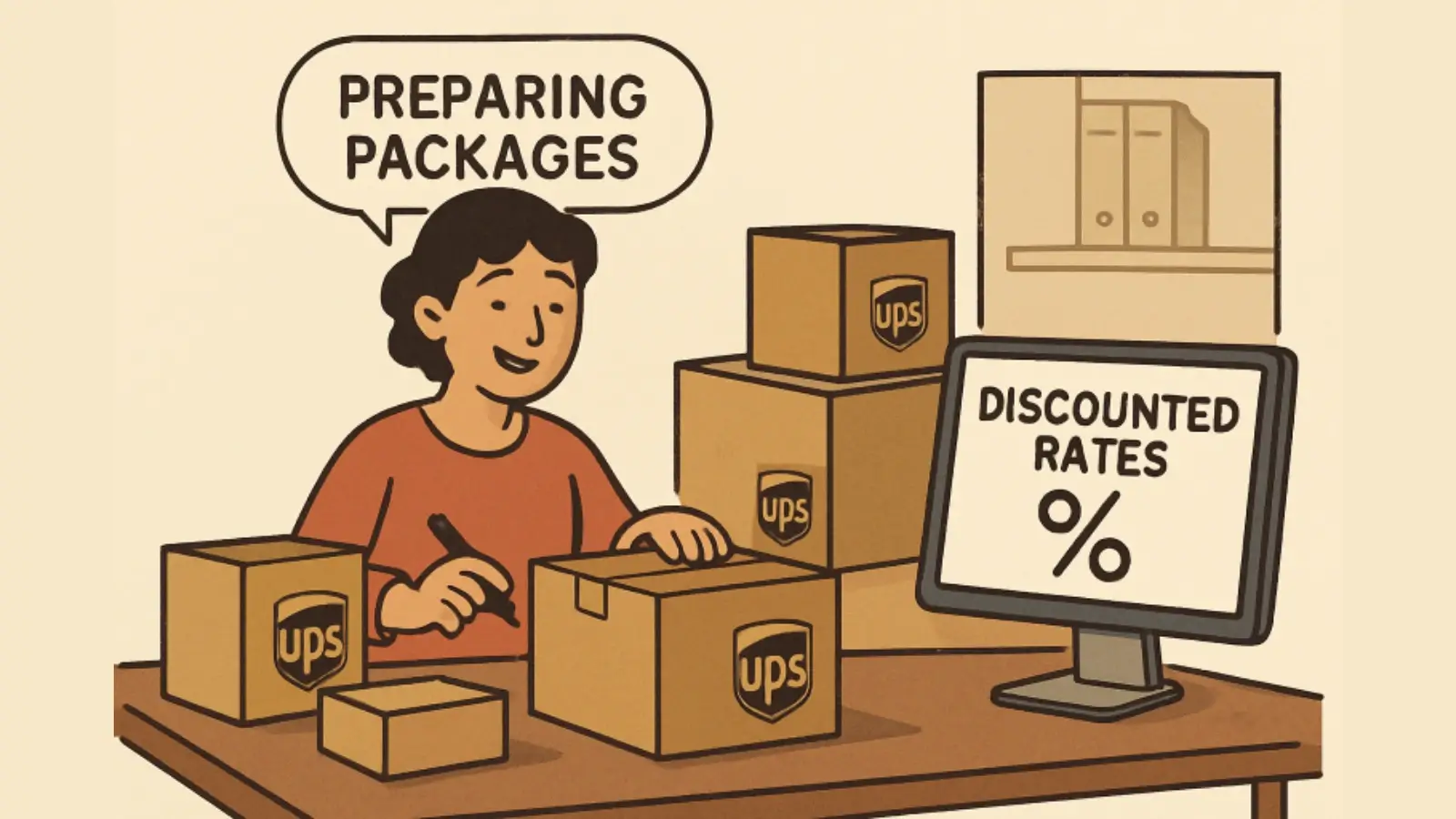
Shipping is a crucial operational cost for small and medium-sized businesses (SMBs), and finding affordable solutions can make a significant difference in profitability. Knowing how to leverage shipping providers and digital innovations can help SMBs thrive even in competitive markets. For those seeking to reduce expenses and streamline logistics, exploring the options of discounted UPS shipping for small business can be a highly effective first step.
Rising shipping rates, fluctuating fuel surcharges, and customer expectations for expedited delivery all put added pressure on SMBs to find efficient and budget-friendly ways to ship their products. Fortunately, the right strategies and partnerships can transform shipping from a pain point to a competitive advantage.
From understanding the basics of UPS services to unlocking exclusive rates through online platforms and integrating new tools, modern shipping solutions offer more control and efficiency than ever before. The following guide covers key techniques and considerations for SMBs seeking to optimize their shipping costs with UPS and beyond.
Understanding UPS Shipping Options
UPS offers a flexible suite of shipping services tailored to the needs of small businesses. UPS Ground is the preferred solution for many SMBs, offering reliable delivery within one to five business days, with most deliveries completed in three days or less. This service is popular for its balance of speed and affordability. UPS Ground rates are generally lower than those for expedited services, while still including free shipment tracking—allowing business owners and their customers to stay informed throughout the shipping process.
For shipments that require faster delivery, options such as UPS 2nd Day Air and UPS Next Day Air are available. However, SMBs should use these services judiciously to ensure that shipping costs do not erode their profit margins. Choosing the right level of service is the first step to controlling costs and meeting customer expectations.
Leveraging Partnerships for Discounts
One of the most effective ways to cut shipping expenses is by leveraging strategic partnerships. Collaborations between UPS and shipping platforms like ShipWise give SMBs access to discounted rates—sometimes up to 81% off standard shipping costs. These bulk-rate partnerships often include the waiving of surcharges and extra fees that may apply to smaller, stand-alone accounts, making them particularly valuable to growing businesses.
SMBs accessing UPS through platforms like ShipWise or similar shipping aggregators can enjoy the convenience of bulk discounts without having to negotiate directly with the carrier or commit to high shipping volumes. This democratization of shipping savings empowers smaller businesses to be more competitive against larger e-commerce players.
Integrating Shipping Solutions
Modern SMBs increasingly rely on software integration to streamline logistics. For example, UPS’s collaboration with Square means business owners using Square Online Store can access UPS shipping directly from their platform, synchronizing orders, printing UPS shipping labels, and managing tracking—all in one place. This eliminates the need for manual entry, minimizes mistakes, and saves valuable time, which can then be reinvested in other business activities.
This type of integration is invaluable for high-growth SMBs with expanding e-commerce operations. Not only does it centralize order processing and shipping, but it also provides easy access to real-time shipment data and bulk processing features previously only available to large enterprises.
Utilizing Digital Tools
Shipping efficiency for SMBs has improved dramatically thanks to a range of digital tools. UPS services, such as UPS My Choice for business, provide small businesses with powerful dashboards for tracking all inbound and outbound packages, viewing estimated delivery windows, and proactively communicating with customers. These tools also facilitate quicker responses to shipping issues and help reduce the number of lost or delayed packages.
Businesses can utilize these digital resources to enhance shipping transparency, plan for delivery events, and provide a more seamless overall customer experience. Automation features in some UPS tools even allow SMB owners to handle returns, manage claims, and resolve exceptions all in one place, enhancing both efficiency and customer service.
Best Practices for Cost-Effective Shipping
For SMBs looking to optimize their shipping—and protect their bottom line—adopting the following best practices is essential:
-
Compare Shipping Rates: Utilize online platforms that aggregate and compare real-time rates, enabling you to select the best deal for each shipment size and destination.
-
Optimize Packaging: Select box sizes carefully to avoid overpacking and paying unnecessary dimensional weight charges. This simple step can lead to substantial savings over time.
-
Consolidate Shipments: Group multiple orders together when possible to take advantage of bulk shipping rates, reducing per-package costs.
-
Negotiate Rates: Engage with UPS or your shipping platform representative to negotiate rates based on your volume or frequency—many providers offer sliding-scale discounts for growing businesses.
Investing time in training your team to use digital tools, maintain accurate shipping records, and optimize packaging strategies can further help stretch shipping budgets without sacrificing service quality. For more insights on practical small business shipping strategies, resources like Entrepreneur's shipping guide offer actionable tips for startups and established small businesses alike.
Conclusion
Shipping cost management is both a challenge and an opportunity for small and medium-sized businesses. By leveraging UPS’s wide range of services, utilizing discounted shipping partnerships, integrating solutions, adopting digital tools, and prioritizing best practices, SMBs can ship smarter and save more. This proactive approach not only fuels continued growth but also frees up resources for investment elsewhere in the business, driving long-term success.
Business Outstanders brings you sharp insights on tech, business, entrepreneurship, law, crypto, and more. We uncover what’s next. Stay updated, sign up for our newsletter and be part of the future!