Bridging USDT TRC20 to BEP20 and ERC20 with Symbiosis Finance
— Symbiosis Finance takes away this headache by offering one simple route to securely transfer USDT across chains fast.
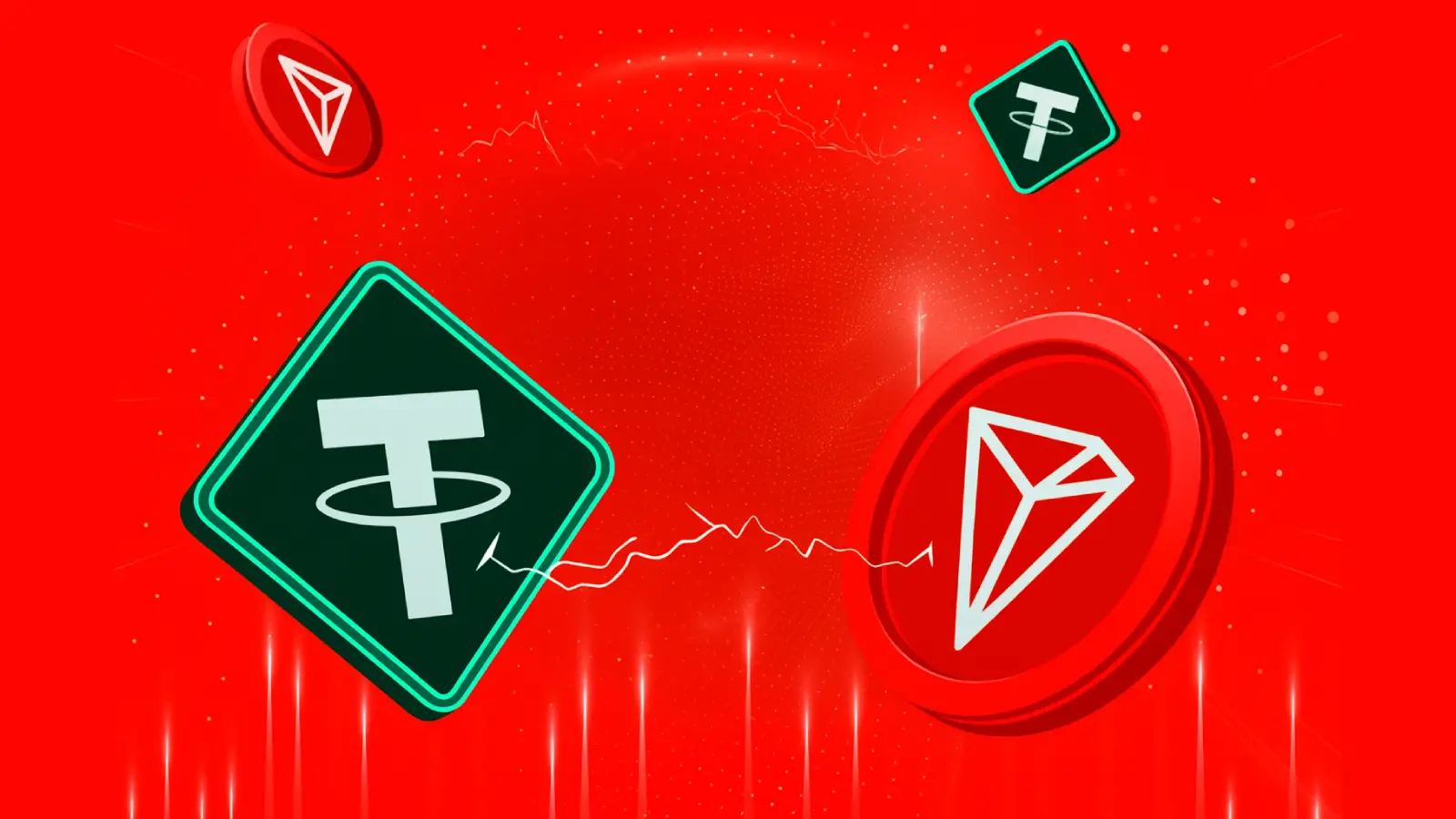
The crypto world is quite interconnected, and today, users do not restrict their activity to one blockchain only. They move between the chains for better fees, higher liquidity, or simply access to new dApps and new ecosystems. Probably, one of the most frequent needs today involves transferring USDT TRC20 from Tron to either BEP20 on BNB Chain or ERC20 on Ethereum.
Different networks mean different token formats and gas fees, not to mention many more compatibility issues for the average user. Symbiosis Finance takes away this headache by offering one simple route to securely transfer USDT across chains fast.
The article contains everything the reader would need to know to understand the process: a step-by-step guide, various FAQs-and beyond.
What is Symbiosis Finance?
Symbiosis Finance is a cross-chain liquidity protocol that is completely decentralised and seamlessly enables users to switch between their assets across different blockchains. Instead of juggling many bridges, wrapping tokens, or going through several complex steps in DeFi, Symbiosis offers you one interface that will handle all the back-end processes for you.
-
Decentralised: It is a decentralised protocol developed on top of strong smart contracts and multi-chain security layers.
-
Fully automated: The cross-chain transfers happen in an automated manner.
-
Non-custodial: Your funds are always in your control.
-
Simple: Its interface is simple even for ordinary crypto users.
With more and more chains coming up and a continually expanding multi-chain world, the need for a bridging protocol in the shape of Symbiosis has been increasing.
USDT TRC20: What is it, and why do users bridge?
USDT TRC20 is a kind of Tether stablecoin that runs on Tron's blockchain. It gained huge popularity because it boasts some of the lowest transaction fees in the industry and confirms transactions in seconds. These advantages make it favourable for traders, exchanges, and international fund transfers.
Meanwhile, it is not that Tron is the only ecosystem requiring its users to hold stablecoins. Most popular applications, DeFi platforms, and wallets are built on either BNB Chain or Ethereum. This creates a natural need to bridge USDT from TRC20 across to other ecosystems.
Reasons for Favourite-idge USDT TRC20:
It is designed to leverage DeFi capabilities based on Ethereum by utilising lending, staking, or liquidity protocols.
-
They need access to the BNB Chain either for low-fee trading, dApps, or gaming platforms.
-
They want a unified wallet balance across networks.
-
They participate in the ecosystems that exist only on BEP20 or ERC20.
-
Deployers would prefer to move the liquidity of stablecoins rather than paying high gas fees directly on Ethereum.
In other words, USDT TRC20 is cheap and fast; however, the users still need compatibility with other networks, which is where Symbiosis plays a key role.
Bridge USDT TRC20 to BEP20
One of the favoured paths to which Tron USDT is being bridged is, of course, BNB Chain. Symbiosis makes this route seamless, allowing users to bridge USDT TRC20 to BEP20 in just a few clicks.
Why do users prefer this path?
1. Low network fees
BNB Chain has relatively cheap transactional fees. It is, therefore, suitable for those users who would like to have DeFi interaction or avoid having to pay heavy gas fees for frequent transfers.
2. Fast transaction confirmations
Both Tron and USDT TRC20 and BEP20 networks, hence the whole bridging process is normally accomplished in minutes.
3. Access to the greater dApp ecosystem
Whether it is DeFi protocols, trading platforms, gaming utilities, or Web3 applications, BNB Chain hosts one of the most active user communities.
4. High wallet compatibility
The most popular wallets working with BEP20 include: MetaMask, Trust Wallet, Ledger, TokenPocket.
For additional context on this broader destination network ecosystem, you can refer to the official BNB Chain documentation.
On the whole, the bridging route gives the best value to the users on both grounds of cost and efficiency.
Bridge USDT TRC20 to ERC20
Ethereum still is the heart of the DeFi universe, from advanced financial protocols to institutional-grade infrastructure; it remains the most widely recognised blockchain in the world. Symbiosis makes it possible for users to bridge TRC20 to ERC20 seamlessly and reliably.
Why go down the ERC20 route?
1. Exposure to the largest DeFi ecosystem
In particular, lending markets, staking platforms, decentralised exchanges, and yield strategies remain most active on Ethereum.
2. Blockchain with high liquidity and real recognition
It hosts deep liquidity pools: TRC-20, secERC-20mart-contract.
3. Adoption by institutions and developers
Because most of the innovative crypto-products and enterprise solutions have been decentralised on Ethereum first.
4. Universal wallet support
ERC-20 is currently the most recognised token format across Web3 wallets and platforms.
You can refer to the official Ethereum documentation for more information about the structure of the ecosystem.
That is why this route suits users seeking long-term stability, high liquidity, and premium DeFi access.
Bridging USDT on Symbiosis: A Step-by-Step Guide
If you are new to cross-chain transfers, Symbiosis keeps the whole flow simple and clear. Here is how you can bridge your USDT from TRC20 to another network:
-
Open any wallet and go to the Symbiosis Finance bridge interface.
-
Connect a wallet with USDT TRC20, but it also needs to have a little TRX inside for network use.
-
Choose Tron (TRC20) as the source network and select USDT as your asset.
-
Then select a destination network, BEP20 or ERC20.
-
Enter the USDT amount you want to transfer.
-
Check the estimated time and fees appearing in the interface.
-
Confirm the transaction in your wallet.
-
Wait for the cross-chain processing to complete.
Funds will be credited to your destination wallet automatically. It manages a complete bridging pipeline, minimising errors and making everything transparent.
Frequently Asked Questions
1. How long does the Symbiosis bridge transfer take?
Most transfers come in within a couple of minutes. Tron is super fast, and BNB Chain also confirms faster. Ethereum might take a bit longer when gas prices spike.
2. Are they reducing cross-chain bridging?
Yes, users pay: TRON network fees are very low. Destination chain gas fees: A small Symbiosis protocol fee, shown here, before confirming the transfer. All the fees are up front, so there aren't any surprises.
3. Which wallets can I use?
You can use almost any major multi-chain wallet: MetaMask, Trust Wallet, Ledger through its integration, TokenPocket, SafePal, and several others.
Conclusion
As the crypto ecosystem keeps evolving, ease of asset movement across chains is no longer a luxury but a necessity. Whether you are looking for low-cost convenience with BEP20 or deep DeFi access with ERC20, bridging USDT TRC20 gives you flexibility and full control over your funds. Symbiosis Finance stands out by making this entire experience seamless.
With a clean interface, a security-focused design, and support for multiple chains, it empowers regular users to move their assets confidently and efficiently- no technical hurdles or unnecessary complexity. Whatever your objective may be-to explore new opportunities, to diversify your portfolio, or simply to keep your stablecoins mobile across networks- the way forward is through Symbiosis.