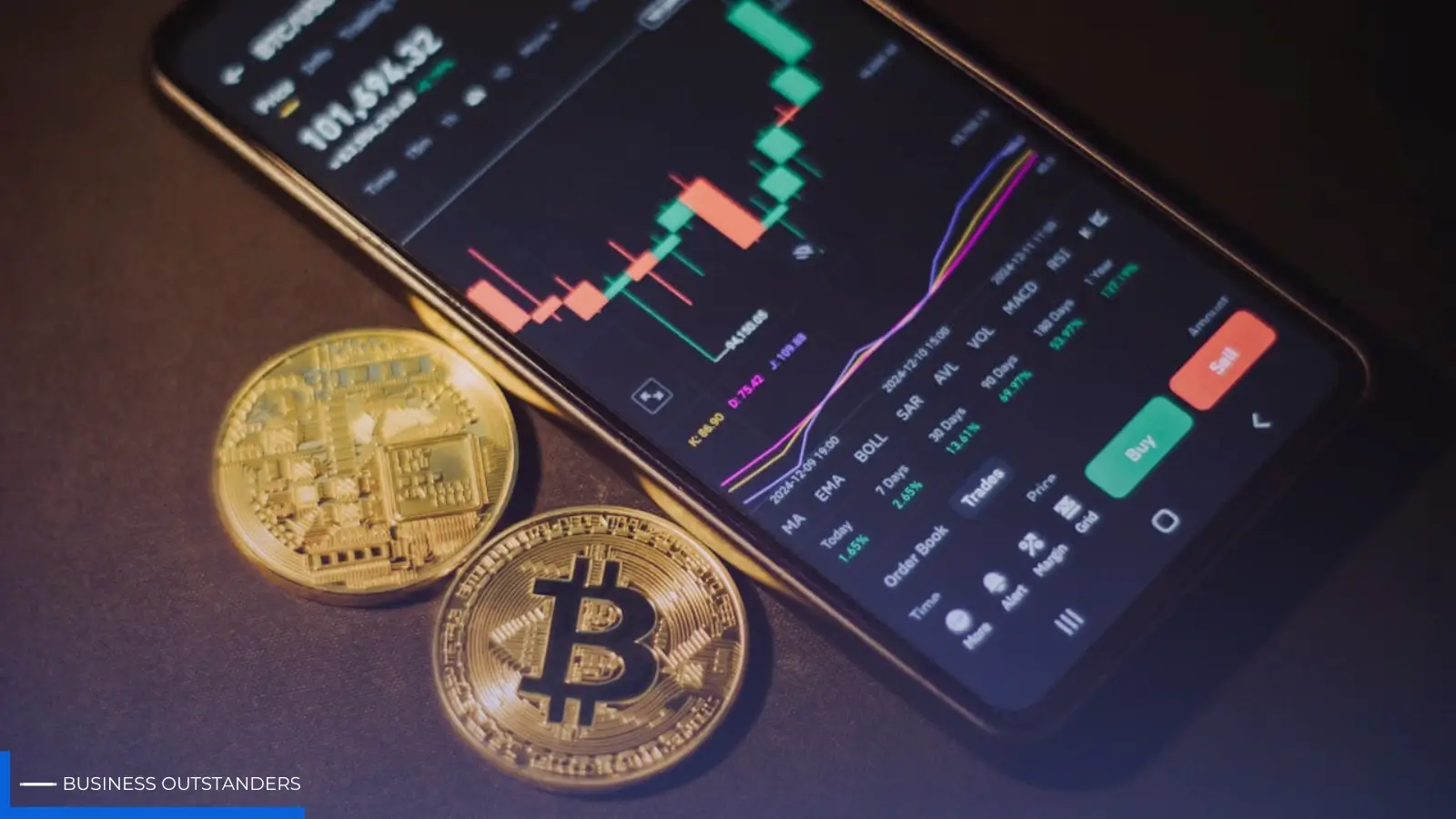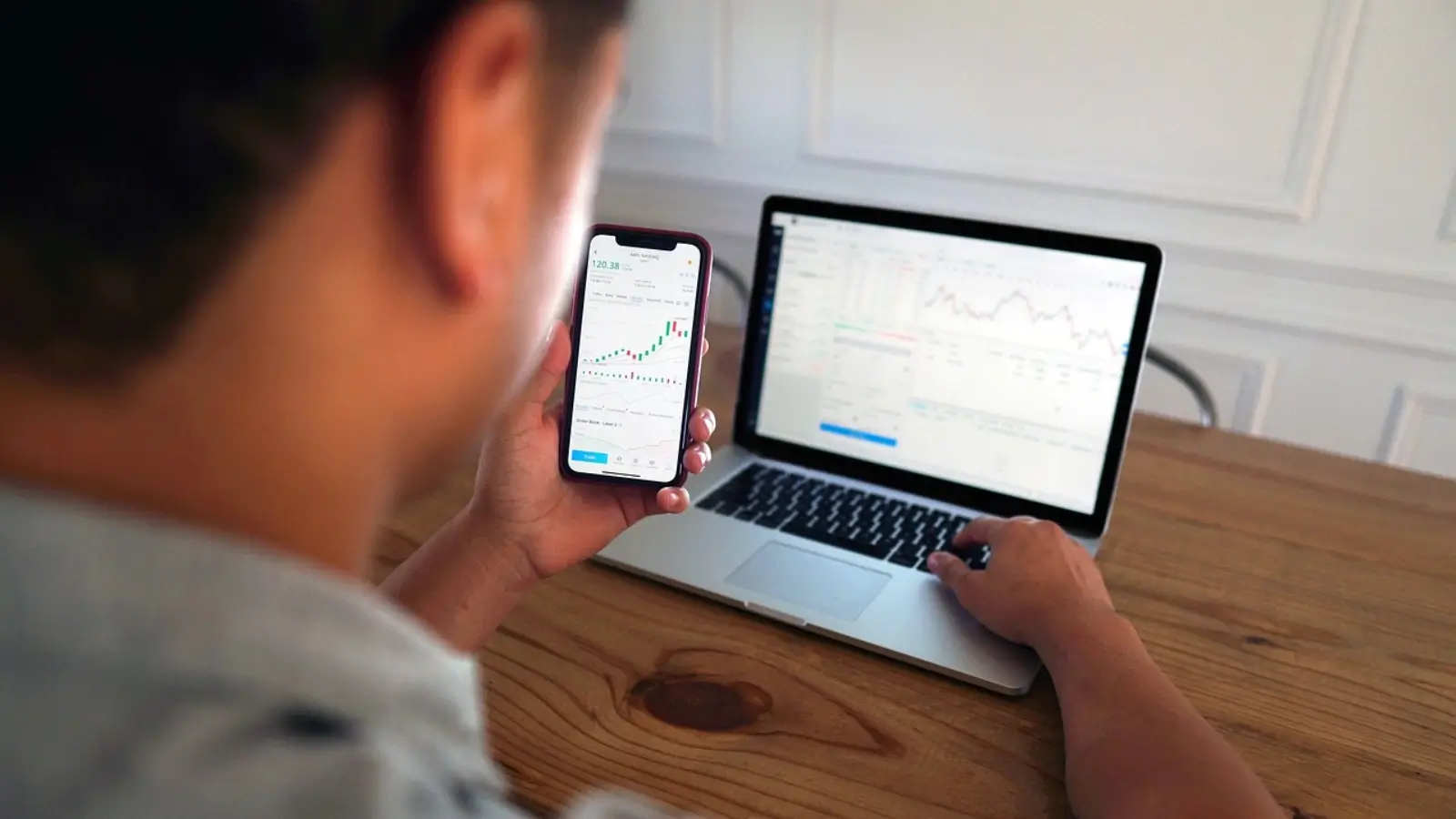
The world of digital assets has expanded at a breathtaking pace, moving far beyond a simple peer-to-peer system for Bitcoin. Today, a vast and complex ecosystem exists, with the **crypto marketplace** at its very core. These platforms are the engines of the digital economy, providing the liquidity, tools, and access necessary for millions of traders and investors to participate. However, not all marketplaces are created equal. The sheer variety can be overwhelming, with platforms catering to different needs, from simple buying and selling to sophisticated derivatives trading. Choosing the right one is a critical first step that can significantly impact your trading success, security, and overall experience. This guide will break down the essential components of a modern crypto marketplace, helping you navigate the options and make an informed decision.
What Defines a Modern Crypto Marketplace?
At its most basic, a crypto marketplace is a platform that facilitates the trading of cryptocurrencies. However, the modern definition is far more nuanced. They are comprehensive financial hubs offering a wide range of services. Generally, they fall into a few primary categories: Centralized Exchanges (CEXs), which are operated by a single company that acts as a trusted intermediary, and Decentralized Exchanges (DEXs), which operate on a peer-to-peer basis using smart contracts. A CEX typically offers deeper liquidity, faster transaction speeds, and more advanced features. They are the primary venues for price discovery and serve as the on-ramp for most users entering the crypto space. These platforms are responsible for matching buy and sell orders, securing user funds, and providing the infrastructure for a seamless trading experience.
Key Features to Look for in a Top-Tier Crypto Marketplace
When evaluating potential platforms, several key features distinguish a premier marketplace from a standard one. Focusing on these areas will ensure you select a platform that is secure, efficient, and equipped with the tools you need to execute your strategy.
- Security: This is non-negotiable. Look for platforms that employ industry-leading security measures. This includes holding a significant portion of assets in multi-signature cold storage (offline), mandatory Two-Factor Authentication (2FA) for users, and a robust insurance fund to protect against unforeseen events. A platform’s security track record is a testament to its commitment to protecting user assets.
- Liquidity: High liquidity is crucial for efficient trading. It refers to the ease with which an asset can be bought or sold without causing a significant change in its price. A marketplace with deep liquidity ensures that your orders are filled quickly and at a price close to the market rate, minimizing slippage, which is the difference between the expected price of a trade and the price at which the trade is executed.
- Range of Trading Products: A basic platform might only offer spot trading—the direct buying and selling of cryptocurrencies. However, a comprehensive crypto marketplace provides a wider array of financial instruments. This includes derivatives like futures contracts and perpetual swaps, which allow traders to speculate on the future price of an asset or hedge existing positions. Access to these advanced products is essential for sophisticated trading strategies.
- Advanced Trading Engine and Tools: The performance of the trading engine is critical, especially during periods of high volatility. A top-tier platform should have a robust engine capable of handling millions of orders per second with low latency. Additionally, look for advanced charting tools, a variety of order types (e.g., limit, market, stop-loss, take-profit), and API access for those who wish to deploy automated trading bots.
Understanding Trading Fees and Cost Structures
Fees are an unavoidable part of trading, but they should be transparent and competitive. Most exchanges use a maker-taker fee model. A "maker" is a trader who provides liquidity by placing a limit order that is not immediately filled, while a "taker" is one who removes liquidity by placing an order that is filled instantly (like a market order). Often, makers are rewarded with lower fees, or even rebates, for adding liquidity to the order book. Be sure to examine the fee schedule for trading, deposits, and withdrawals to understand the total cost of using the platform. For derivatives, also consider funding rates, which are periodic payments exchanged between long and short positions.
Why a Specialized Marketplace Matters
While some platforms try to be a jack-of-all-trades, many of the most respected venues specialize in a particular niche. This focus allows them to provide a superior product and user experience for a specific type of trader. For those interested in leverage and advanced financial instruments, a platform that prioritizes derivatives trading will offer better liquidity, more sophisticated tools, and a more robust risk engine than a platform focused primarily on spot trading. For traders looking to explore advanced financial instruments, a dedicated crypto marketplace like BitMEX offers a robust and secure environment designed for high-performance derivatives trading. Making the right choice means aligning the platform’s strengths with your own trading goals. By carefully considering security, liquidity, available products, and fees, you can confidently select a marketplace that will serve as a reliable foundation for your trading journey.
Business Outstanders brings you sharp insights on tech, business, entrepreneurship, law, crypto, and more. We uncover what’s next. Stay updated, sign up for our newsletter and be part of the future!