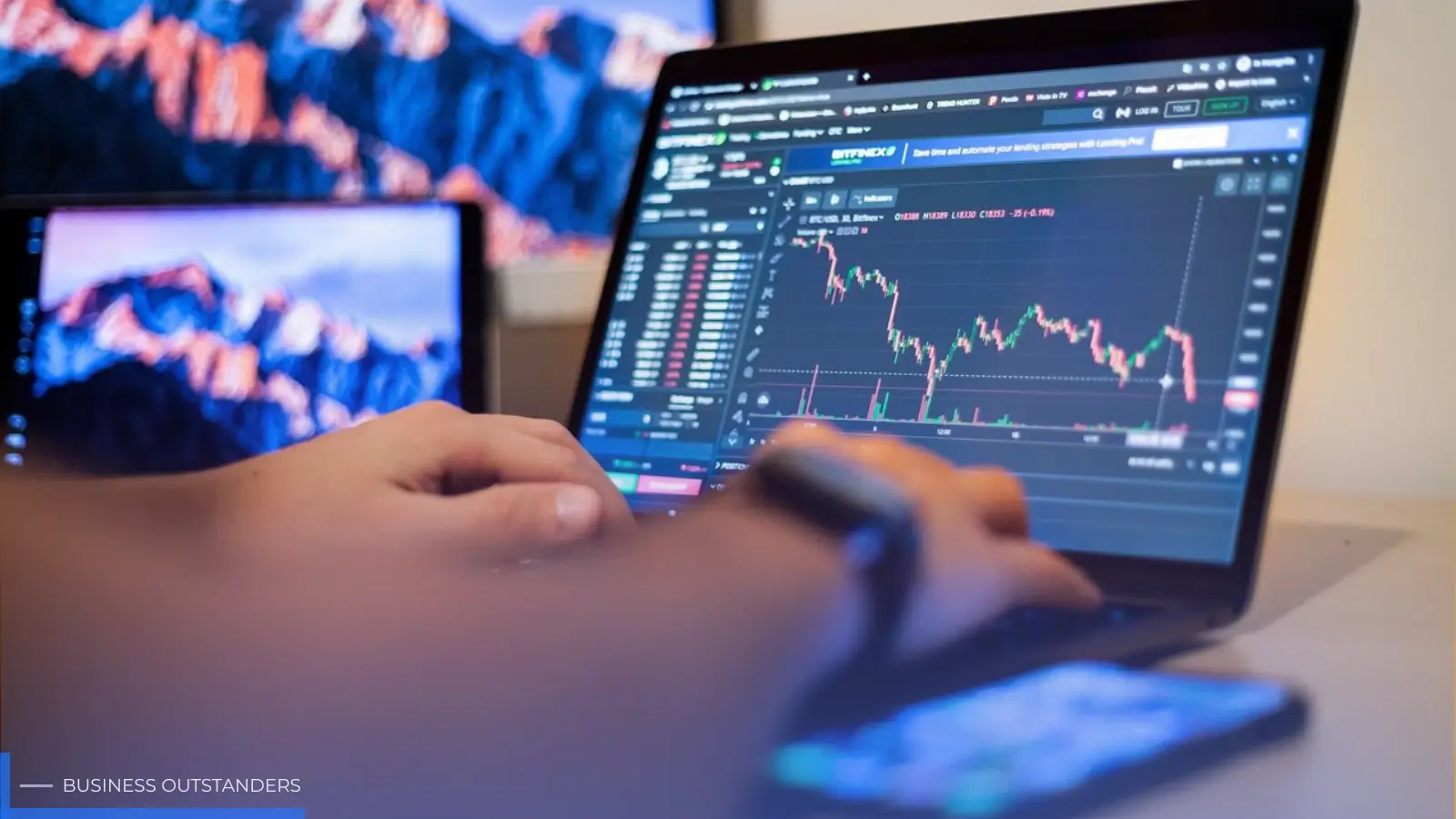
Crypto trading and investing no longer revolve solely around speculation or instinct. Over time, the ecosystem has filled with tools designed to handle complexity, from automated trading dashboards to advanced analytics and digital wallets that make participation more seamless. Whether someone is managing assets through an exchange account or monitoring transactions via an XMR wallet for Monero, the underlying experience reflects how data-driven and technology-enabled crypto activity has become.
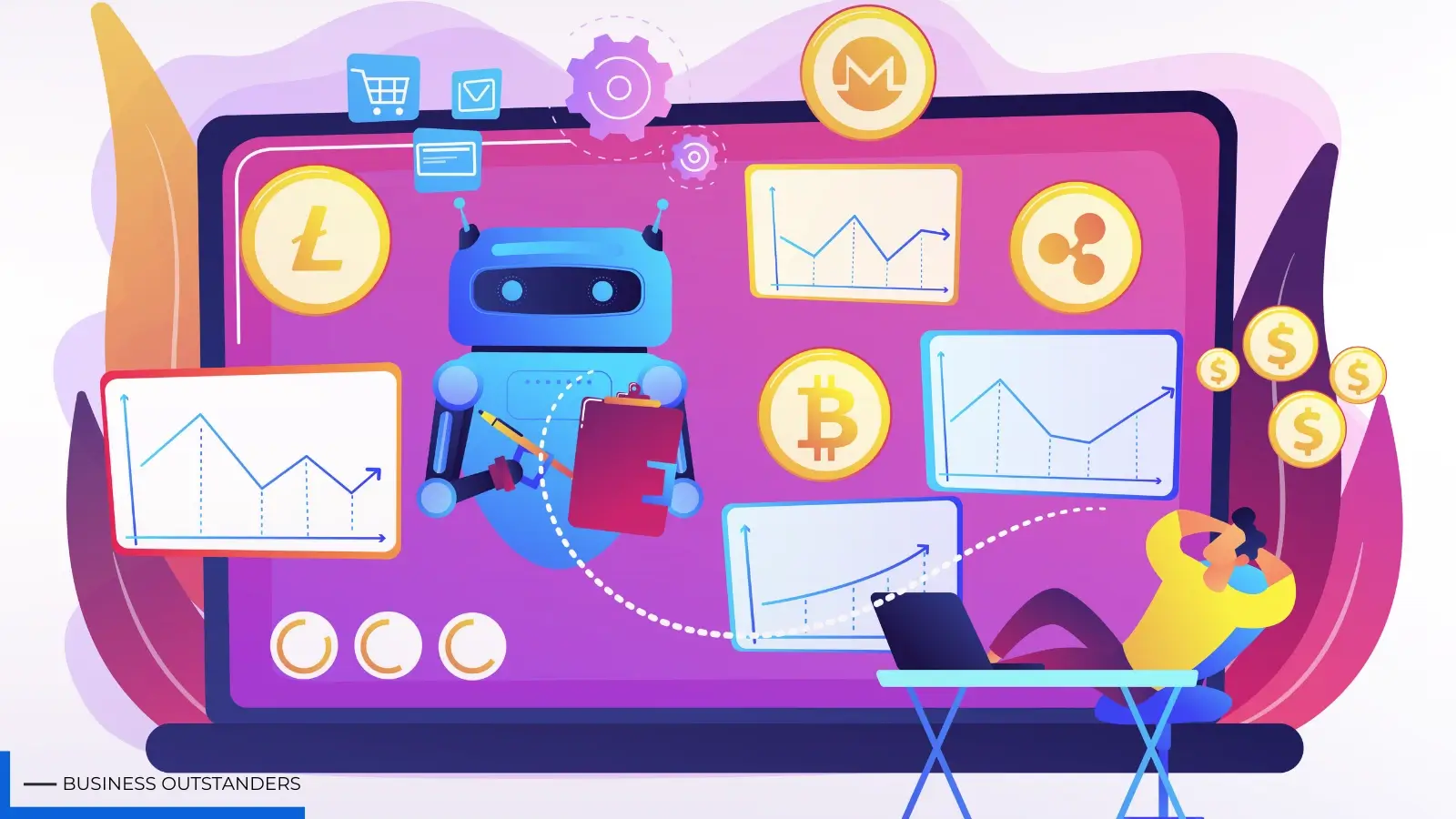
At the same time, two technologies are increasingly shaping how people make decisions behind the scenes: artificial intelligence and blockchain. AI helps sift through immense volumes of information at speeds that would be impossible manually, while blockchain provides a transparent, programmable foundation for transactions and data verification. Together, they shape trade execution, inform investment evaluation, and affect how risk and trust operate in decentralized markets.
If you’re navigating crypto trading or investing today, understanding this interaction can help clarify what is actually changing and why it matters. The discussion below explores how AI and blockchain work together in practical ways, moving beyond buzzwords to explain how these technologies are reshaping decision-making and expectations across the crypto landscape.
How AI Is Changing the Way Crypto Trading Decisions Are Made
Fixed charts and manual analysis no longer tell the whole story in a market that runs nonstop and reacts instantly to new information. Many trading decisions are now shaped by AI systems capable of processing real-time price movements, on-chain activity, transaction flows, and even changes in market sentiment as they occur. These systems can identify patterns and act upon them far more quickly than traditional human-led approaches.
What you see as a result is a market where trades increasingly happen based on probability and signal strength rather than intuition alone. Liquidity adjusts faster and certain price inconsistencies disappear more quickly. Opportunities may also exist for shorter periods than they once did. For individual traders and investors, this means competing in an environment where speed and data interpretation play a greater role than ever.
That shift does not automatically disadvantage human participants, but it does change expectations. Instead of attempting to track everything manually, many people now rely on AI-assisted analytics to filter information and highlight what deserves attention. The role of the individual becomes less about reacting instantly and more about evaluating signals and setting parameters. It’s ultimately up to human users to decide when technology should or should not take the lead.
Why Adaptive AI Systems Matter More Than Fixed Trading Strategies
Markets rarely behave the same way for long, and crypto is especially unforgiving of rigid assumptions. Strategies built on static rules, such as fixed entry points or predefined thresholds, can struggle when conditions shift suddenly due to factors like volatility spikes or liquidity changes. This is where machine learning-based systems introduce meaningful value.
Unlike fixed strategies, adaptive AI models are designed to learn from new data continuously. As market behavior changes, these systems adjust their weighting of signals and reassess probabilities, so they can refine future decisions without requiring constant manual recalibration. In volatile crypto environments, their adaptability can help reduce exposure to outdated assumptions and improve consistency over time.
This does not mean investors or traders should abandon judgment in favor of automation. Instead, it highlights the value of flexibility. AI tools are most effective when they support a broader framework—one that allows you to respond to evolving market dynamics, reassess risk, and remain engaged rather than locked into strategies that no longer reflect current conditions.
How AI-Powered Tools Are Reshaping Crypto Investing for Everyday Users
Following crypto markets manually can become overwhelming once you move beyond a small number of assets. Prices shift constantly, narratives change quickly, and on-chain activity generates more data than most individuals can realistically analyze on their own. Increasing complexity has, in turn, helped drive the adoption of AI-powered tools designed to simplify decision-making without requiring deep technical expertise.
Many of these tools operate in the background by assessing risk and tracking performance to identify patterns across a wide range of assets. Some platforms use AI to recommend portfolio adjustments or rebalance holdings automatically. They’re also often useful for flagging unusual behavior that may warrant closer attention. Investors who prefer a more structured approach will find that this can reduce guesswork and help maintain discipline in fast-moving markets.
How Blockchain Infrastructure Supports Trust and Automation in AI Systems
Decisions driven by AI are only as reliable as the data and execution systems that support them. In crypto, blockchain plays a critical role by providing a transparent and tamper-resistant environment where transactions, activity, and outcomes can be verified. This foundation allows AI systems to operate on data that is publicly auditable rather than opaque or centrally controlled.
Smart contracts further extend this relationship by enabling automated execution once predefined conditions are met. When AI-generated signals interact with blockchain-based logic, actions such as trades or risk controls can occur without additional intermediaries. This reduces delays and minimizes the risk of discretionary interference after decisions have already been made.
AI and blockchain are reshaping crypto trading and investing by changing how information is processed and trust is established across decentralized markets. These technologies, used thoughtfully, can help you navigate complexity with greater clarity rather than relying solely on instinct or reaction. As the space continues to mature, the real advantage comes not from adopting every new tool, but from understanding how and when technology genuinely supports better decision-making.
Business Outstanders brings you sharp insights on tech, business, entrepreneurship, law, crypto, and more. We uncover what’s next. Stay updated, sign up for our newsletter and be part of the future!