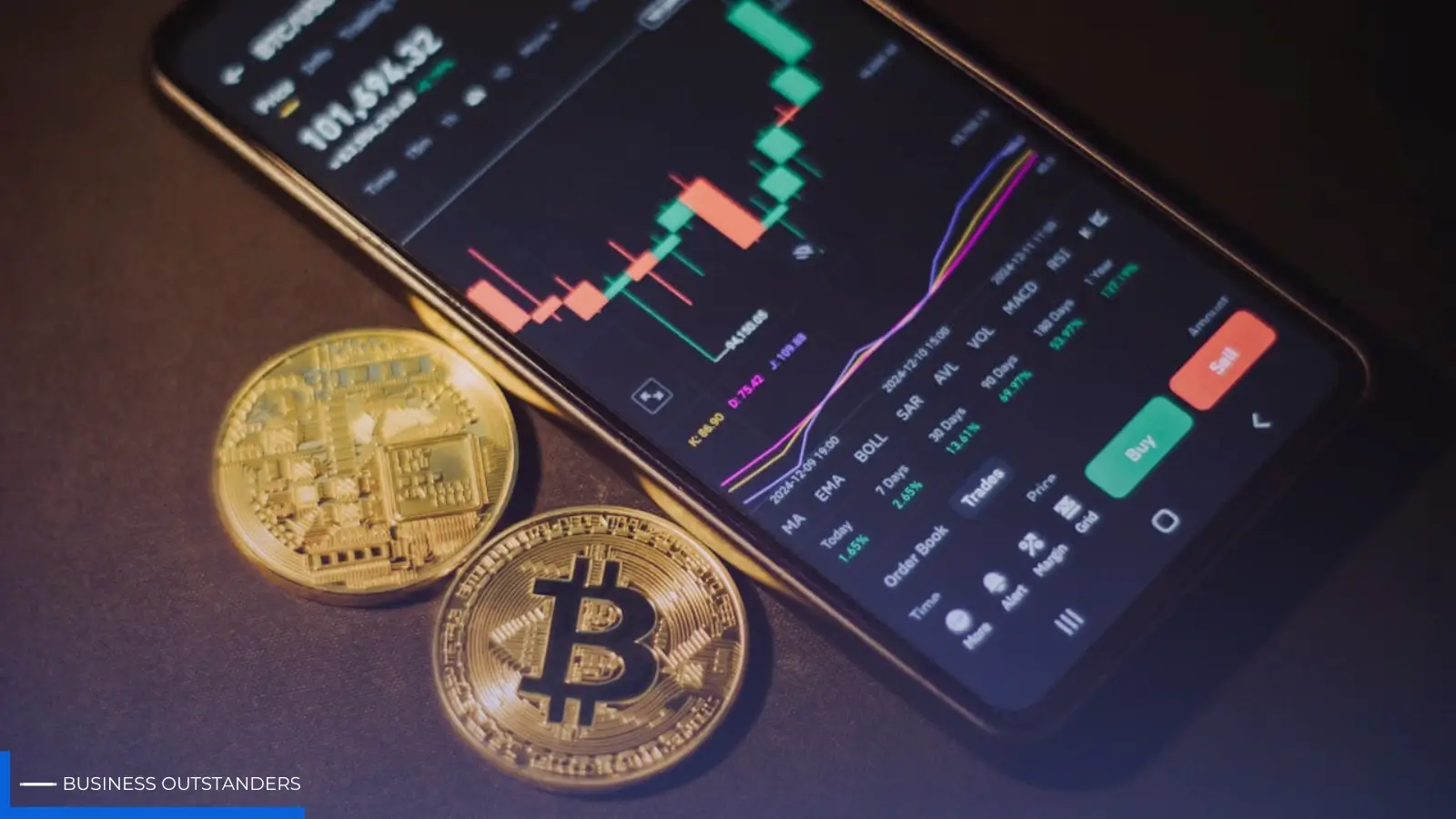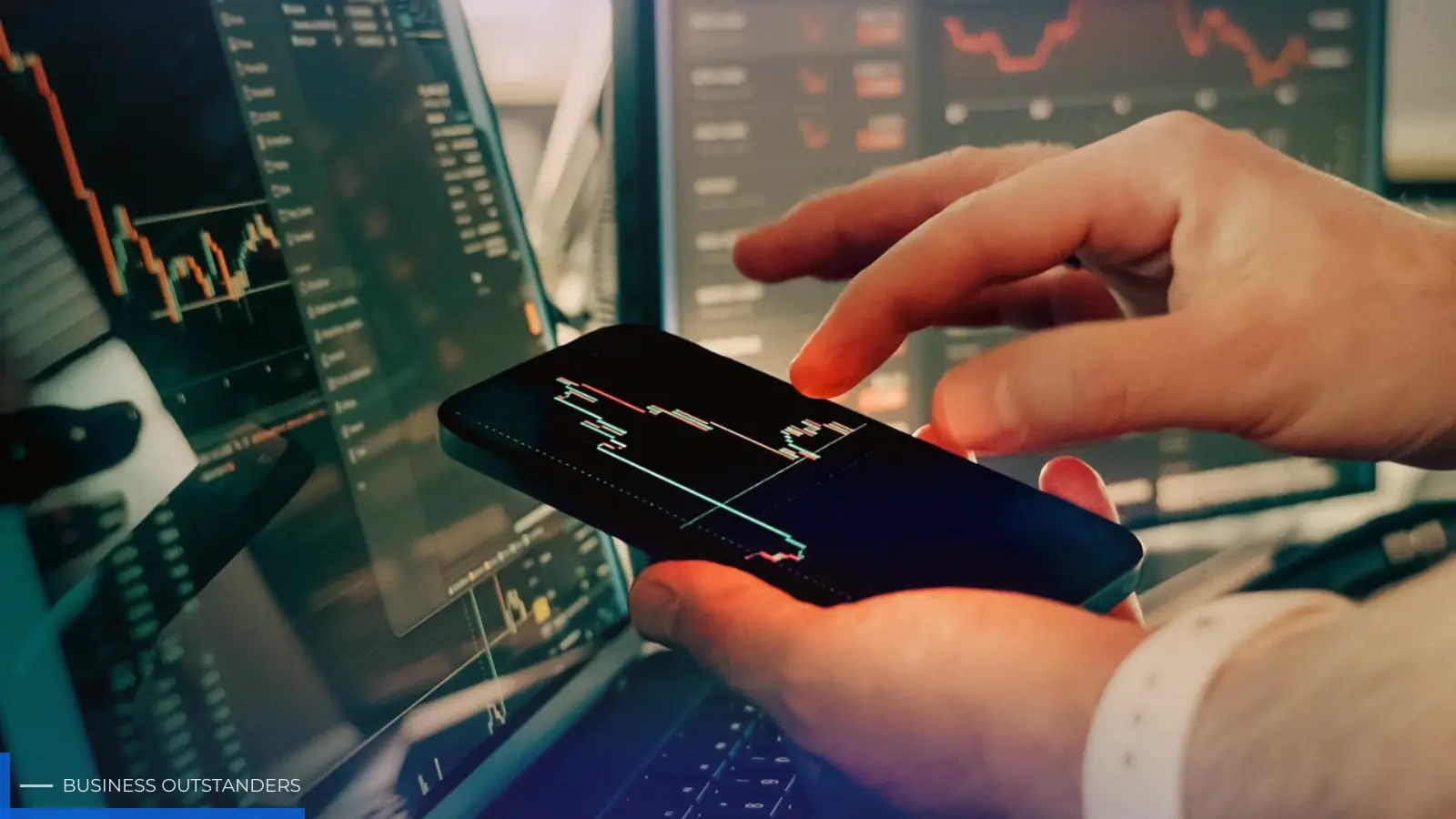
I remember trying to trade crypto on my phone back in 2020. What a nightmare that was. Clunky interfaces, constant crashes, and don't even get me started on trying to read charts on a 6-inch screen. Fast forward to today, and I'm genuinely impressed by how far mobile trading has come. The whole game is changing, especially with platforms like Hyperliquid pushing the boundaries of what's possible on mobile devices.
Here's what caught my attention: I was at a coffee shop last month, and this guy next to me was absolutely crushing some trades on his phone. Not just simple spot trades, but complex perpetual futures positions with multiple orders running simultaneously. The interface looked smooth, responsive, almost desktop-quality. That's when I realized we've hit a turning point in mobile crypto trading.
The Mobile-First Revolution is Here
Mobile trading isn't just a convenience feature anymore — it's becoming the primary way people interact with DeFi protocols. And honestly? It makes perfect sense. Most of us are glued to our phones anyway, checking prices, reading crypto Twitter, watching charts during lunch breaks. Why shouldn't we be able to execute sophisticated trading strategies from the same device?
What's fascinating about Hyperliquid specifically is how they've approached this challenge. Instead of just cramming a desktop interface into a mobile wrapper (like so many platforms do), they've built something that actually feels native to mobile. The order book loads instantly, the charts are readable without squinting, and placing orders doesn't require a PhD in finger gymnastics.
I've been testing various mobile trading setups for the past six months, and the difference in execution speed is wild. We're talking milliseconds that can make or break a trade, especially in volatile markets. When Bitcoin decides to pump or dump, those few extra seconds it takes to boot up your laptop can cost you serious money. But if you've got a solid mobile app with reliable infrastructure behind it, you're ready to react immediately.
The user experience improvements go way beyond just speed though. Think about notifications — your phone can alert you instantly when certain price levels are hit, when your orders fill, or when market conditions change. Try getting that level of real-time awareness from a desktop setup. Sure, you could set up elaborate monitoring systems, but your phone is already designed to be your personal notification center.
Why Hyperliquid's Approach Actually Works
Most decentralized exchanges struggle with mobile optimization because they're trying to port over complex desktop functionality. But Hyperliquid took a different approach from day one. They built their infrastructure to handle high-frequency trading with institutional-grade performance, then made sure that same power was accessible through intuitive mobile interfaces.
The technical architecture is pretty clever. Instead of relying on external wallet connections that can be flaky on mobile, they've integrated everything into a seamless experience. When you want to make a trade, you're not juggling between three different apps, waiting for wallet confirmations, and hoping your connection doesn't drop. Everything happens within their ecosystem, which means faster execution and fewer points of failure.
What really impressed me was testing their hyperliquid mobile app ios android during a particularly volatile trading session. The app never lagged, orders executed instantly, and I could monitor multiple positions simultaneously without the interface becoming cluttered. That's the kind of performance you'd expect from a dedicated trading terminal, not a mobile app.
From a technical standpoint, they've also solved some interesting challenges around security and key management on mobile devices. Instead of forcing users to manage complex seed phrases or hardware wallet integrations (which are honestly terrible on mobile), they've implemented secure enclave technology that leverages your phone's built-in security features. Smart move.
The social aspects are worth mentioning too. When you're trading on mobile, you're naturally more connected to the broader crypto community. You can easily flip between trading and checking what people are saying on Twitter, Discord, or Telegram. That social layer of information is crucial for staying ahead of market movements, and mobile platforms integrate this much more naturally than desktop setups.
The Opportunities Are Getting Interesting
Here's where things get exciting for traders who embrace mobile-first platforms early. The arbitrage opportunities alone are worth paying attention to. When you can react instantly to price discrepancies across different markets, you're basically carrying a profit-generating machine in your pocket. I know traders who've built entire strategies around being the first to capitalize on these micro-opportunities, and mobile execution is a huge competitive advantage.
The geographic arbitrage is even more interesting. Different regions often have different price dynamics for the same assets, and being able to trade instantly from anywhere gives you access to opportunities that desktop-bound traders might miss entirely. I was traveling in Asia last year and noticed some fascinating patterns in trading volumes and price movements that were invisible from my usual US-based perspective.
Then there's the pure convenience factor, which creates its own opportunities. How many times have you seen a perfect setup developing, but you weren't near your computer? Or you were in a meeting and could discreetly check your phone, but couldn't fire up a trading terminal? Those missed opportunities add up over time. Having reliable mobile execution eliminates that frustration entirely.
The automation possibilities are getting pretty sophisticated too. You can set up complex conditional orders, take-profit sequences, and risk management rules that execute automatically based on market conditions. Your phone becomes like having a trading assistant that works 24/7, even while you sleep. The technology has reached the point where you can implement strategies that would have required dedicated servers just a few years ago.
What's particularly cool is how mobile trading is democratizing access to sophisticated tools. Features that used to be exclusive to institutional traders — things like advanced order types, real-time market data, and low-latency execution — are now available to anyone with a decent smartphone. That's a pretty significant shift in market dynamics.
What Makes This Different From Traditional Mobile Trading
The key difference between crypto mobile trading and traditional stock trading apps is the underlying infrastructure. Traditional markets have limited hours, clearing delays, and multiple intermediaries. Crypto markets never sleep, settlements happen instantly, and you can interact directly with liquidity pools and order books, which is why understanding market making strategies can become a valuable edge for active traders.
This creates opportunities that simply don't exist in traditional finance. You can provide liquidity, earn fees, arbitrage across multiple venues, and execute complex strategies 24/7. And now that the mobile experience has caught up to desktop quality, you can do all of this from anywhere. That's genuinely revolutionary when you think about it.
The composability aspect is huge too. In traditional finance, your mobile trading app is basically just an interface to buy and sell stocks. In DeFi, your mobile interface can interact with lending protocols, yield farming strategies, derivatives markets, and synthetic assets — all within the same app. The possible combinations and strategies are mind-boggling.
Risk management has also evolved significantly. Modern mobile trading platforms can implement sophisticated position sizing, automated stop losses, and portfolio rebalancing that responds instantly to market conditions. You're not just placing trades; you're managing a dynamic, algorithmic portfolio from your phone. Of course, always do your own research and understand the risks involved.
The Bottom Line
Mobile crypto trading has finally reached the point where it's not just viable — it's actually advantageous in many situations. Platforms like Hyperliquid are proving that you don't have to sacrifice functionality or performance when you move away from desktop trading setups. The combination of instant execution, sophisticated features, and true mobility creates opportunities that didn't exist before.
The timing feels right too. As crypto markets mature and become more efficient, the edge increasingly goes to traders who can react fastest and access the most diverse range of opportunities. Having institutional-grade trading power in your pocket positions you perfectly for whatever comes next in this space. Whether you're a seasoned trader looking to upgrade your mobile setup or someone curious about getting more involved in DeFi, the current generation of mobile trading platforms is worth exploring seriously.
Business Outstanders brings you sharp insights on tech, business, entrepreneurship, law, crypto, and more. We uncover what’s next. Stay updated, sign up for our newsletter and be part of the future!