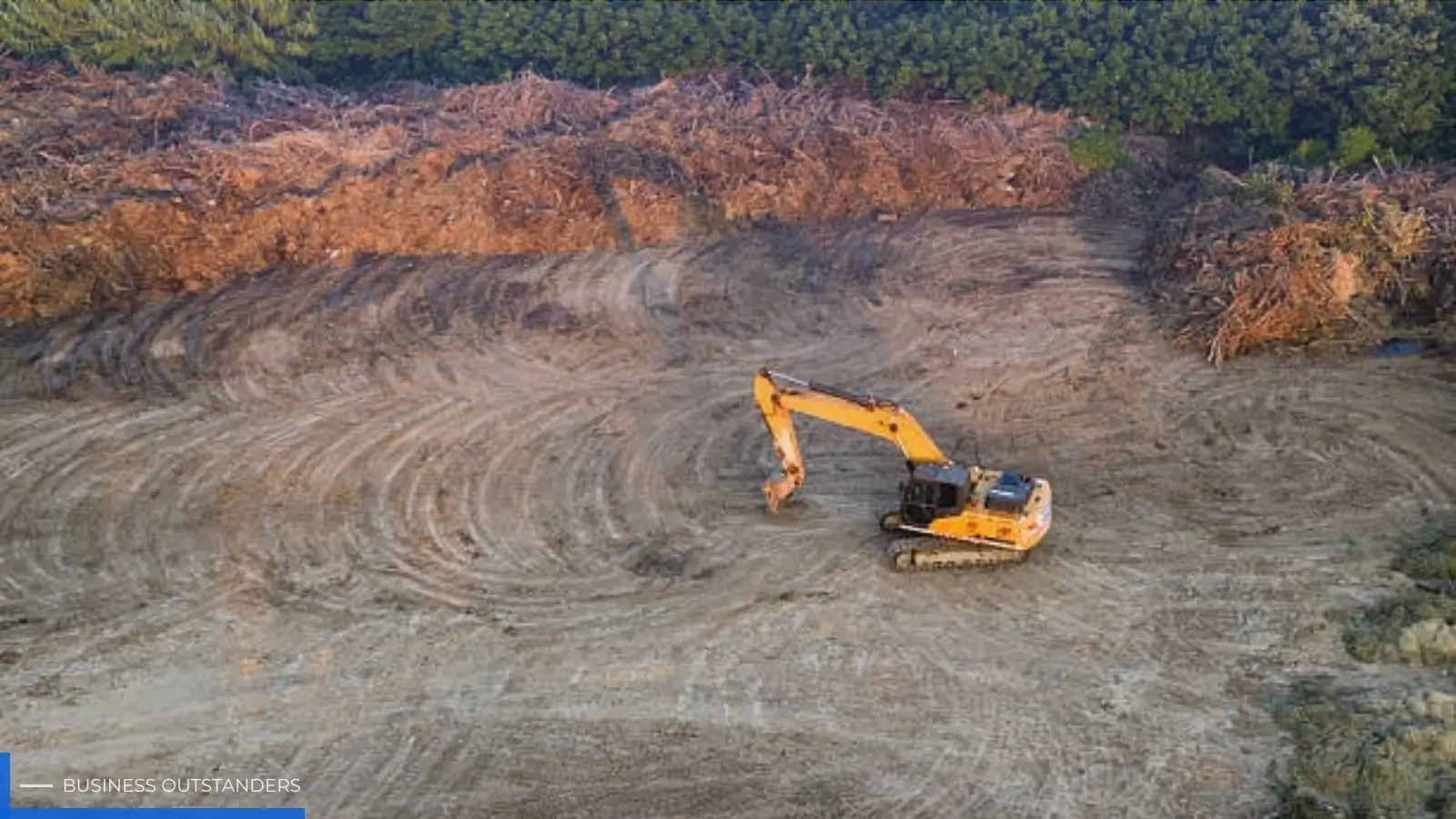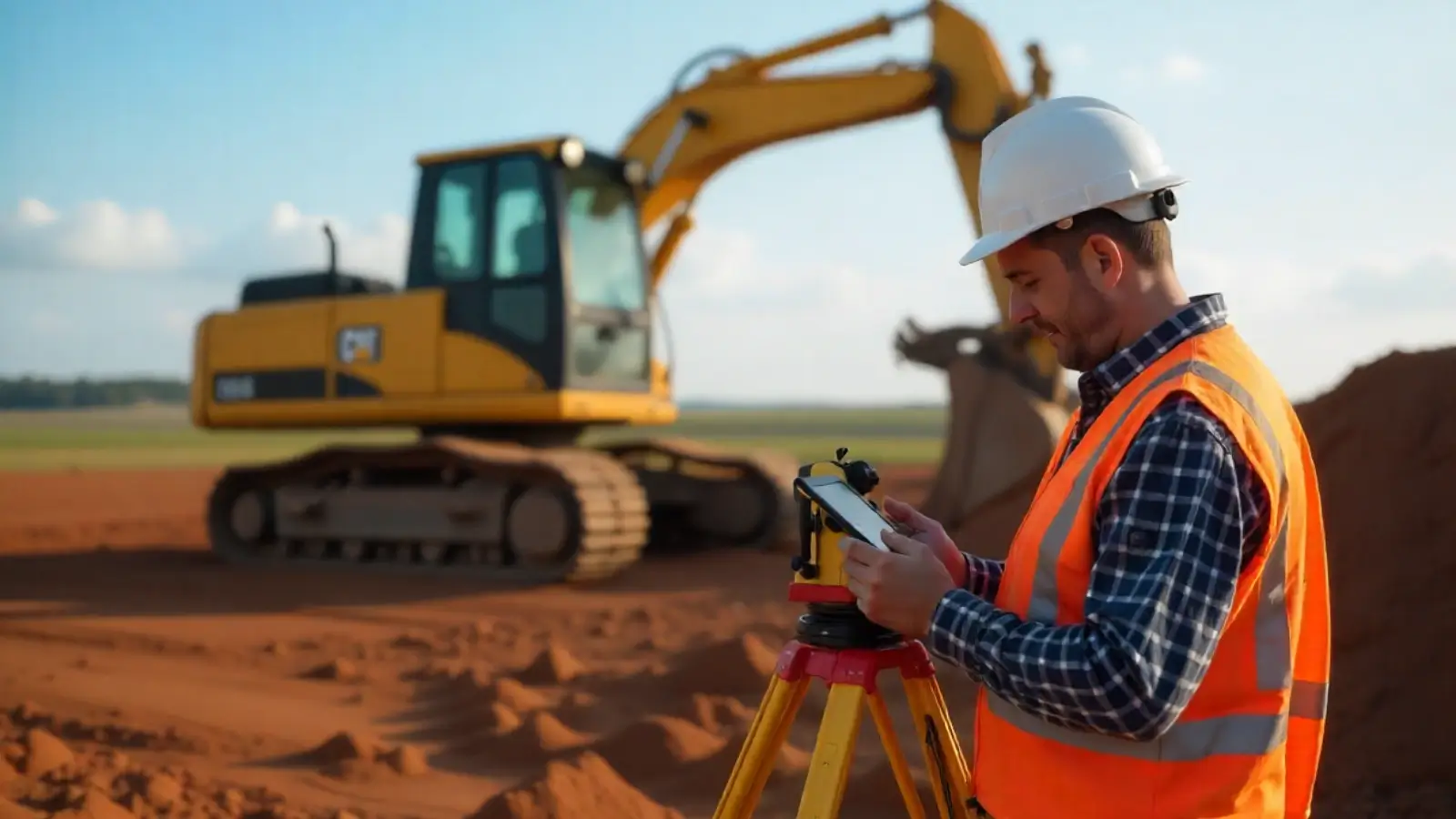
Centimeter-level accuracy is no longer a luxury but a practical necessity across a spectrum of industries. Whether it’s a bulldozer operator grading a foundation, a surveyor delineating a property line, or a drone mapping a vast agricultural field, the principle is the same: precision reduces waste and rework.
For the surveyor or machine operator in the field, the RTK rover is the critical interface for capturing this precision, yet its effectiveness is entirely dependent on the workflow built around it. As reported in technical publications like XYHT Magazine, the very environments demanding this precision — urban canyons, dense forests, sprawling construction sites — are often where traditional high-precision methods falter.
Understanding the Correction Ecosystem: Choosing Your Tool
The cornerstone of any high-precision workflow is the correction method. Moving beyond the standard meter-level GPS, these techniques form a hierarchy of accuracy, cost, and logistical complexity
A shrewd professional selects not just the best technology, but the most appropriate one for the job at hand.
Network RTK (NRTK), utilizing a network of permanent Continuously Operating Reference Stations (CORS), is often the default for many field applications
It provides broad coverage and eliminates the need for users to set up their own base station, offering centimeter-level accuracy where cellular connectivity is strong. For many agricultural or construction applications in developed areas, it’s a reliable and efficient choice. However, its Achilles’ heel is dependency. As noted by one provider, performance is affected by base station density and cellular coverage, and it comes with ongoing subscription costs. In remote areas or sites with poor reception, it simply may not work
For those working in isolation — offshore, in deep forests, or across international borders — Precise Point Positioning (PPP) and its more advanced variant, PPP-RTK, offer a compelling alternative
These methods receive correction data via geostationary satellites, bypassing the need for terrestrial cellular networks. While convergence to full accuracy can take longer than RTK, solutions like Hi-RTP have demonstrated initialization within minutes, providing a viable, truly global solution for centimeter-level work where networks can’t reach
Finally, Post-Processing Kinematic (PPK) remains the workhorse for guaranteed accuracy in challenging data collection scenarios, particularly in drone mapping
By recording raw satellite data during flight and correcting it against a base station’s logged data afterward, PPK sidesteps the real-time communication link entirely. This makes it exceptionally robust in areas of intermittent signal, such as near water, under canopy, or in mountainous terrain, ensuring no data is lost to a dropped correction stream
Conquering the Signal-Denied Zone: Beyond Pure GNSS
The most significant advances in field efficiency are emerging where traditional GNSS fails. The “urban canyon” problem — where signals are blocked or reflected by buildings — has long been a source of frustration and costly workarounds
The standard response has been to deploy a total station, a process that adds time, cost, and complexity to the workflow
Today, sensor fusion is changing the game. By integrating an Inertial Measurement Unit (IMU) and stereo cameras with a high-grade GNSS receiver, new systems create a continuous positioning solution. When the satellite signal is clear, GNSS provides the anchor. When it degrades or is lost — under a bridge, inside a structure, or beneath a dense canopy — vision and inertial sensors take over. Proprietary software, like Fixposition’s xFusion, blends these data streams to maintain accuracy, preventing the rapid drift that plagues IMU-only solutions
This transforms the binary state of “GNSS fix” and “no fix” into a seamless continuum of reliable positioning.
For the field crew, this means uninterrupted work. A surveyor mapping utilities can walk from an open street into a tunnel or beneath an overpass without halting to reset equipment or switch instruments
The economic impact is direct: fewer pauses, no rework due to bad data, and a drastic reduction in the need for supplemental, slower surveying methods. It represents a shift from designing workflows around technology's limitations to deploying technology that adapts to the environment
Operational Efficiency: The Practical Path to Savings
Advanced hardware is only one piece of the puzzle. The true return on investment is realized through thoughtful, streamlined operational practices. For earthmoving and construction companies, the financial case is particularly strong. Bringing basic surveying capabilities in-house for tasks like site layout, grade checking, and stockpile volume calculation can translate to tens of thousands in annual savings by reducing dependence on external surveyors for routine work
The integration of tilt compensation is a prime example of a simple feature with a profound impact on daily efficiency. Older methods required holding a pole perfectly vertical — a time-consuming and often imperfect process. Modern RTK receivers with built-in tilt sensors allow operators to measure points simply by positioning the pole close to the target, even at significant angles
This is invaluable for measuring inaccessible points like building corners or the bottom of drainage ditches, turning a multi-minute struggle into a single, swift measurement
Furthermore, the ecosystem around the hardware has matured. Modern receivers often feature built-in web interfaces and support over-the-air firmware updates, reducing downtime and dependency on office visits
Rugged, all-day battery systems with hot-swappable batteries eliminate another common field interruption. When combined with intuitive field software that allows direct import and manipulation of CAD files, crews can adjust to real-site conditions on the fly, making decisions without costly delays waiting for revised plans from the office
Building a Resilient Workflow: Best Practices
Implementing a resilient high-precision workflow requires more than purchasing equipment; it demands planning. As emphasized in industry best-practice guides, the single greatest factor in GNSS performance is satellite visibility
Planning fieldwork, when possible, to avoid areas with severe overhead obstruction is the first and most effective step.
When working in obstructed areas is unavoidable, strategic use of Ground Control Points (GCPs) provides an essential safety net. Even with RTK, using a handful of accurately surveyed GCPs allows you to verify and, if necessary, correct your data in post-processing, ensuring the final deliverable meets the required specification
Finally, the choice between using a private base station and subscribing to a CORS network is a fundamental logistical and financial decision
A local base station provides the highest potential accuracy and control, especially valuable for fixed sites or when the nearest CORS station is distant. A CORS subscription, conversely, offers convenience and reduced setup time, ideal for mobile crews working within a well-covered region
The optimal choice hinges on a clear-eyed assessment of your typical project geography, accuracy needs, and operational style.
The evolution of precision positioning is moving decisively toward resilience and integration. It’s no longer about chasing the highest possible accuracy under ideal conditions, but about guaranteeing reliable, actionable accuracy in the complex, messy, and signal-hostile environments where the actual work happens. By thoughtfully combining the right correction source, leveraging sensor-fusion technology for continuity, and embedding efficiency-focused practices into daily routines, professionals across industries can build workflows that are not only precise but also profoundly productive. The result is less time spent fixing problems and more time moving projects forward — a straightforward equation for saving both time and money.
Business Outstanders brings you sharp insights on tech, business, entrepreneurship, law, crypto, and more. We uncover what’s next. Stay updated, sign up for our newsletter and be part of the future!