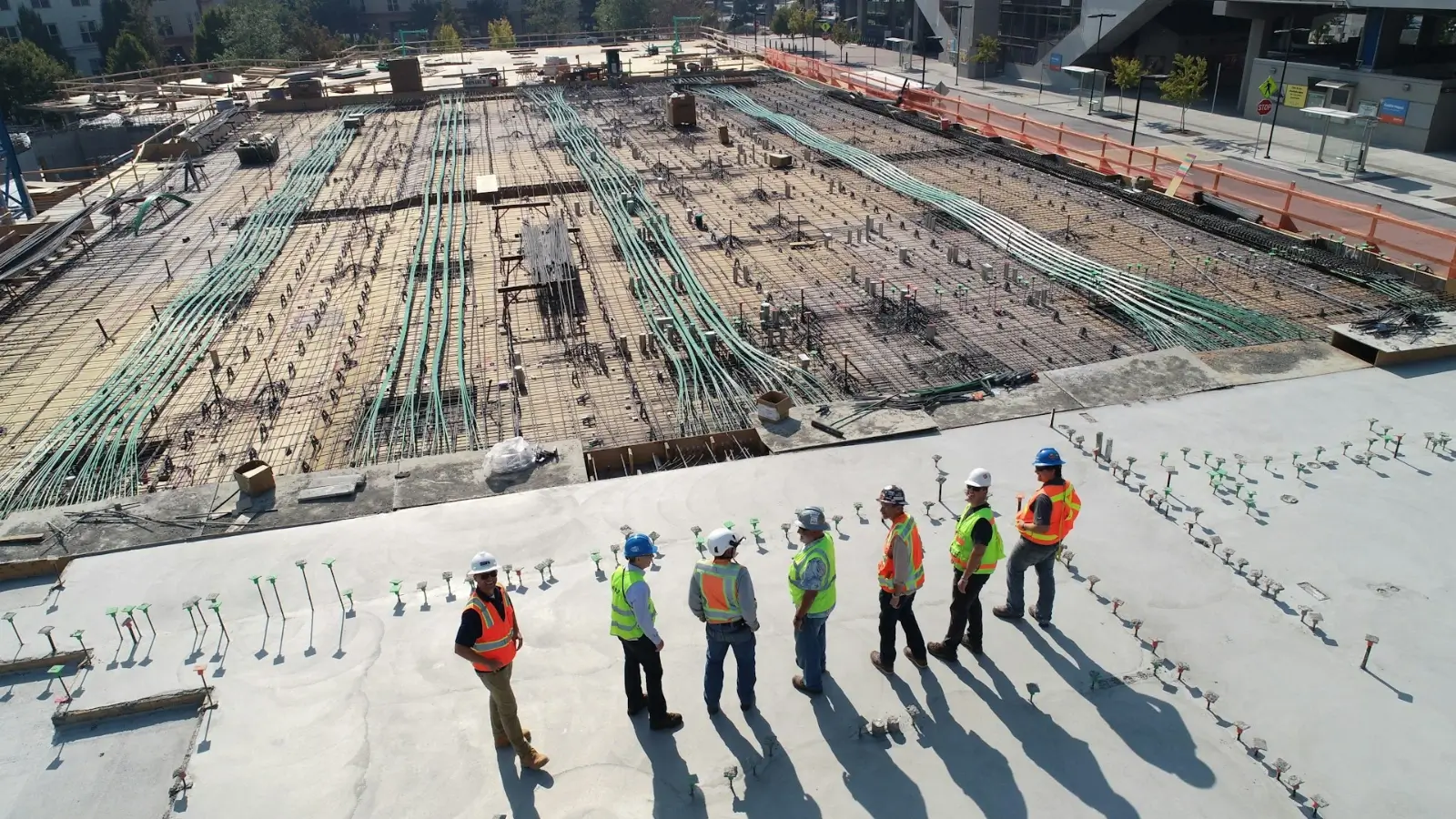
Projects stay on schedule when power, people, and materials move in sync. Crews depend on reliable fuel, clear procedures, and quick decisions that keep equipment turning and sites safe. With the right mix of planning, compliance, and data, you can sustain productivity through shifts in weather, supply, and scope without losing your pace.
Design For Continuity Before Mobilization
Continuity starts in preconstruction with a map of loads, refueling intervals, and contingency paths if a primary source fails. Treat temporary power and fueling as critical systems, not accessories, and model realistic stress cases like night pours, long crane picks, or accelerated slab cycles. Set clear ownership for inspections, deliveries, and quality checks so each crew knows who maintains storage, who verifies fuel quality, and who authorizes adjustments when conditions change.
Use Temporary Assets To Bridge Supply Gaps
Flexibility is essential when grid access is limited or when a project advances into a phase that demands higher consumption. A well timed decision can add resilience without burdening the project with permanent infrastructure. Teams often add mobile storage to close the distance between supplier trucks and high burn zones, then scale back when loads decline. This is where a straightforward option can help because fuel tank rental lets you align capacity with the current phase without committing capital to equipment you will not need later. Keep the plan simple by pairing short hose runs with clear sightlines and documented transfer steps so crews spend time working, not searching for fittings or waiting on keys.
Build A Compliant Fueling Framework
Safety and environmental rules protect people and schedules by preventing incidents that stop work. Federal guidance explains that facilities with aboveground oil storage may fall under Spill Prevention, Control, and Countermeasure planning, which brings requirements for secondary containment and procedures that reduce release risk, according to the US Environmental Protection Agency. Job sites also must follow construction standards that call for approved containers and portable tanks for flammable liquids, as outlined in OSHA section 1926.152, so procurement and field teams should align container types and transfer methods with that rule set before the first delivery arrives.
Right Size Storage And Delivery
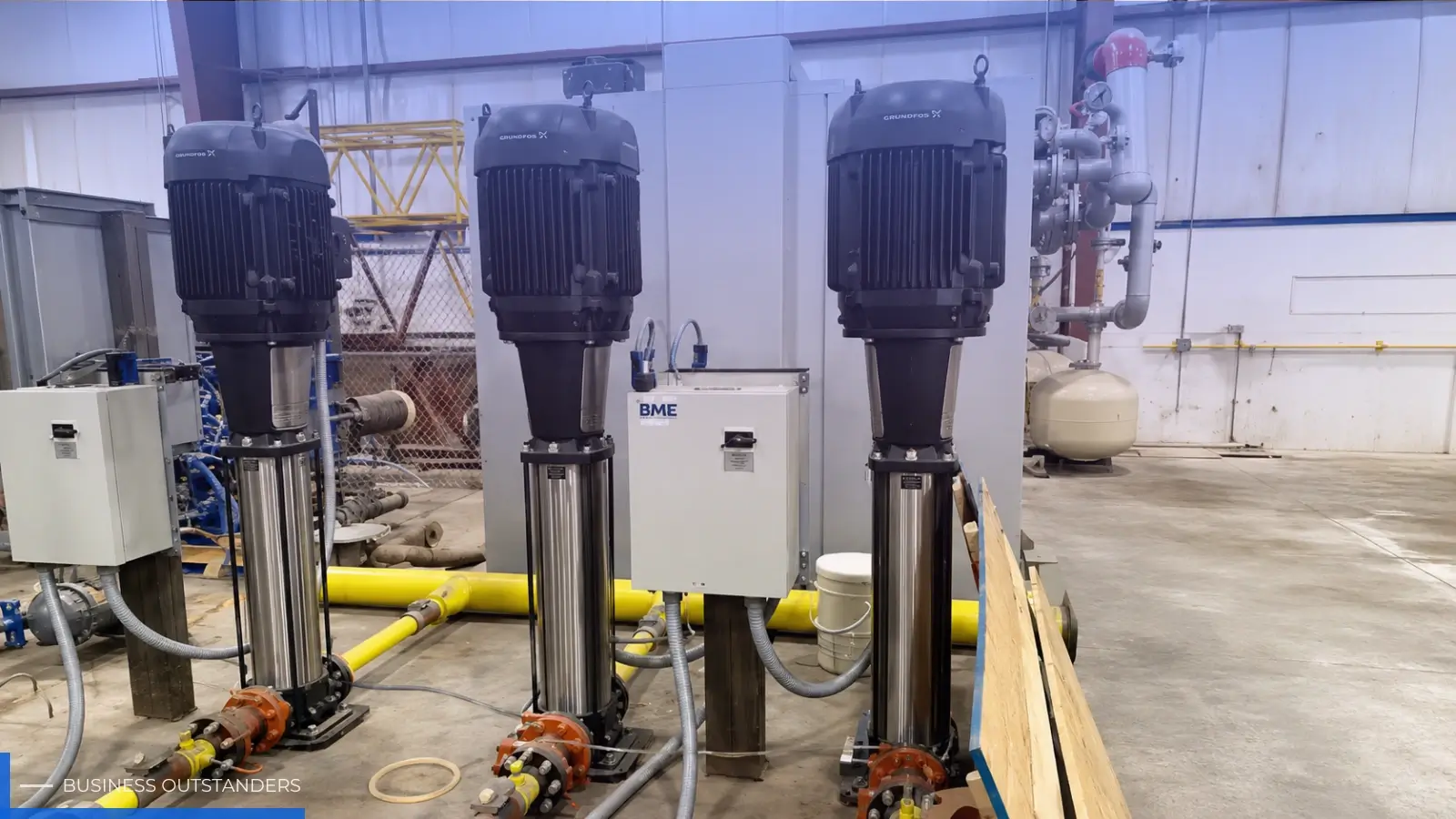
The storage plan shapes uptime and risk exposure more than any single equipment choice. A practical approach is to right size tanks to match burn rates and delivery windows while maintaining headroom for weather delays. One industry explainer on onsite fueling notes that safe transfer practices, orderly traffic patterns, and secured storage reduce hazards and keep production steady when several machines and generators share a staging area, a reminder that physical layout matters as much as paperwork.
Treat Fuel Quality As A Reliability Standard
Engines and generators fail when fuel is out of spec or contaminated with water and particles. Diesel parameters such as sulfur content and volatility are defined in ASTM D975, and aligning orders and receipts to that standard reduces performance surprises. For storage and polish programs, cleanliness targets referenced by the ISO 4406 system help teams measure particle counts and verify filtration results, guidance often shared by filtration specialists that translates lab codes into maintenance actions. When specs and cleanliness codes are part of daily logs, issues surface early and are fixed before they cascade into stalled equipment or hard starts.
Match Power To Real Loads And Test Under Stress
Generators that never see a realistic load do not tell you much about resilience. Field guides from power service providers describe how load bank testing uncovers wet stacking, cooling gaps, and fuel delivery constraints while validating capacity against the nameplate. Those practices track with broader reliability research that shows critical infrastructure benefits from routine drills and structured operations procedures, a theme repeated across yearly outage analyses from the Uptime Institute. The takeaway is simple to apply on a job site because a scheduled test with recorded results raises confidence in power plans and prevents guesswork during a concrete pour or a tower crane lift.
Plan The Site For Safe Movement And Quick Checks
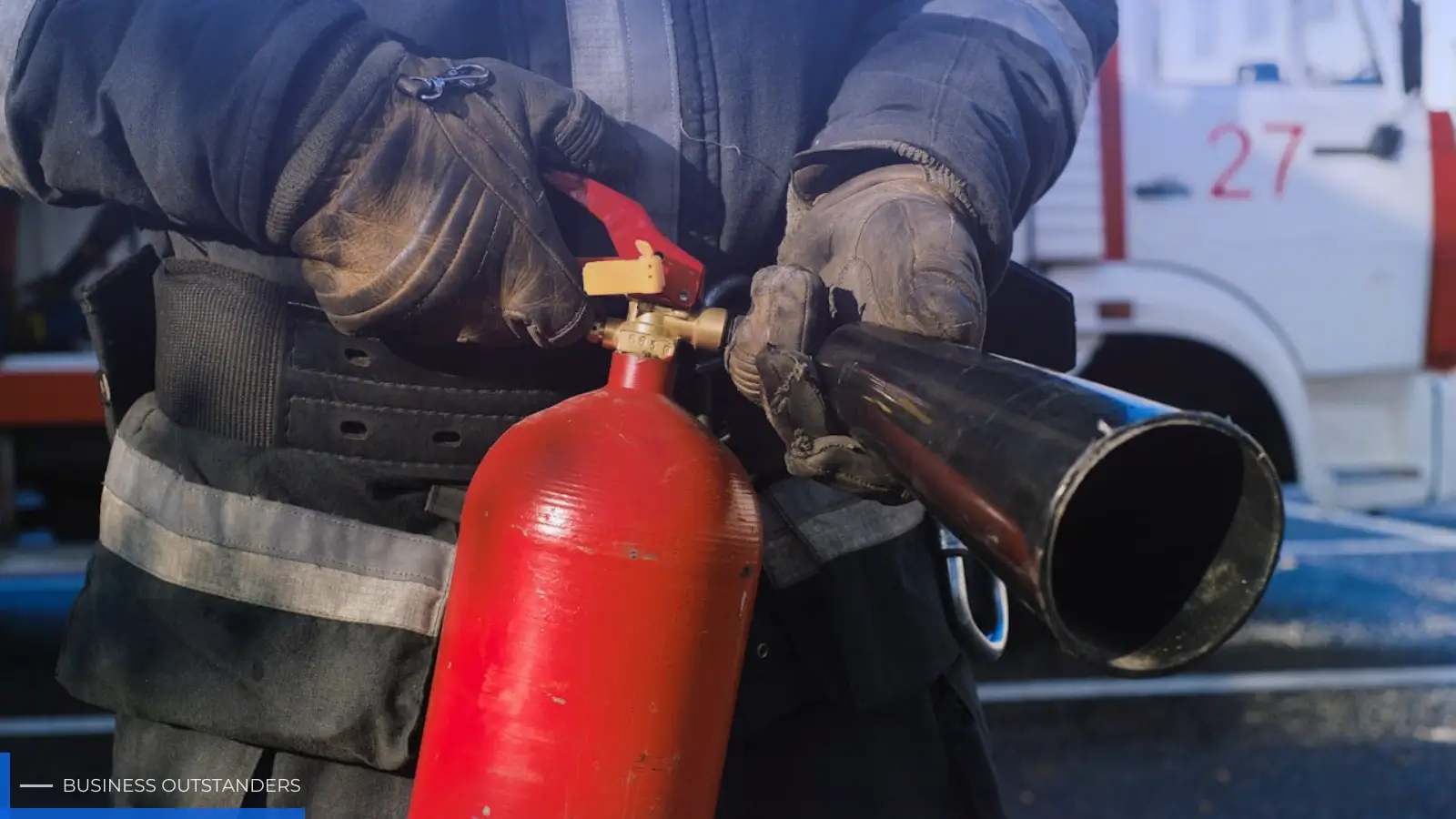
Operational continuity improves when fueling and power areas are easy to reach and easy to verify. Place storage where trucks can enter and exit without tight turns, and where a spill kit, fire protection, and lighting are obvious and unobstructed. A state level environmental overview on aboveground storage emphasizes that SPCC style planning and secondary containment expectations can apply to temporary tanks, which supports the case for sturdy berms, lined basins, or dual wall units near active work. Clear walk paths, labeled shutoffs, and posted inspection sheets help superintendents and safety leads confirm status during routine walks without pulling specialists off their tasks.
Keep Records That Drive Action
Logs are useful when they lead to decisions that improve the next shift, not just when they fill a binder. Record deliveries, tank levels, water checks, filter changes, and test results with times and initials so patterns become visible. If a generator shows slow starts after late night temperature drops, increase cold weather protocols or adjust the delivery schedule to reduce long idle periods. If a tank shows repeated water presence, review covers, vents, and transfer steps to stop moisture before it reaches engines. A fuel program that learns from its own data steadily reduces unplanned stops, which keeps teams aligned and focused on core work.
Integrate Standards Into Daily Work
Compliance is strongest when it is embedded in routines instead of handled as a separate task. Supervisors can confirm container types against OSHA rules during morning lineouts. Mechanics can compare received fuel to ASTM grades as part of intake checks. Vendors can reference ISO cleanliness targets when they service filters and polish tanks, and they can note deviations in the same log the crew uses for inspections. Industry pieces that summarize NFPA 30 requirements remind teams that code expectations for storage and handling are practical guardrails for layout and labeling, so treat them as design inputs, not only as documents for closeout.

A site that keeps moving is not lucky. It is planned, trained, and supplied with systems that respect standards and adapt to real conditions. By aligning storage and delivery with fuel quality controls, embedding compliance into daily work, and testing power against actual loads, you create a steady platform for crews to do their best work. That platform protects schedules and budgets and helps you hand over a project that looks well built because it was built on reliable daily operations.
Business Outstanders brings you sharp insights on tech, business, entrepreneurship, law, crypto, and more. We uncover what’s next. Stay updated, sign up for our newsletter and be part of the future!