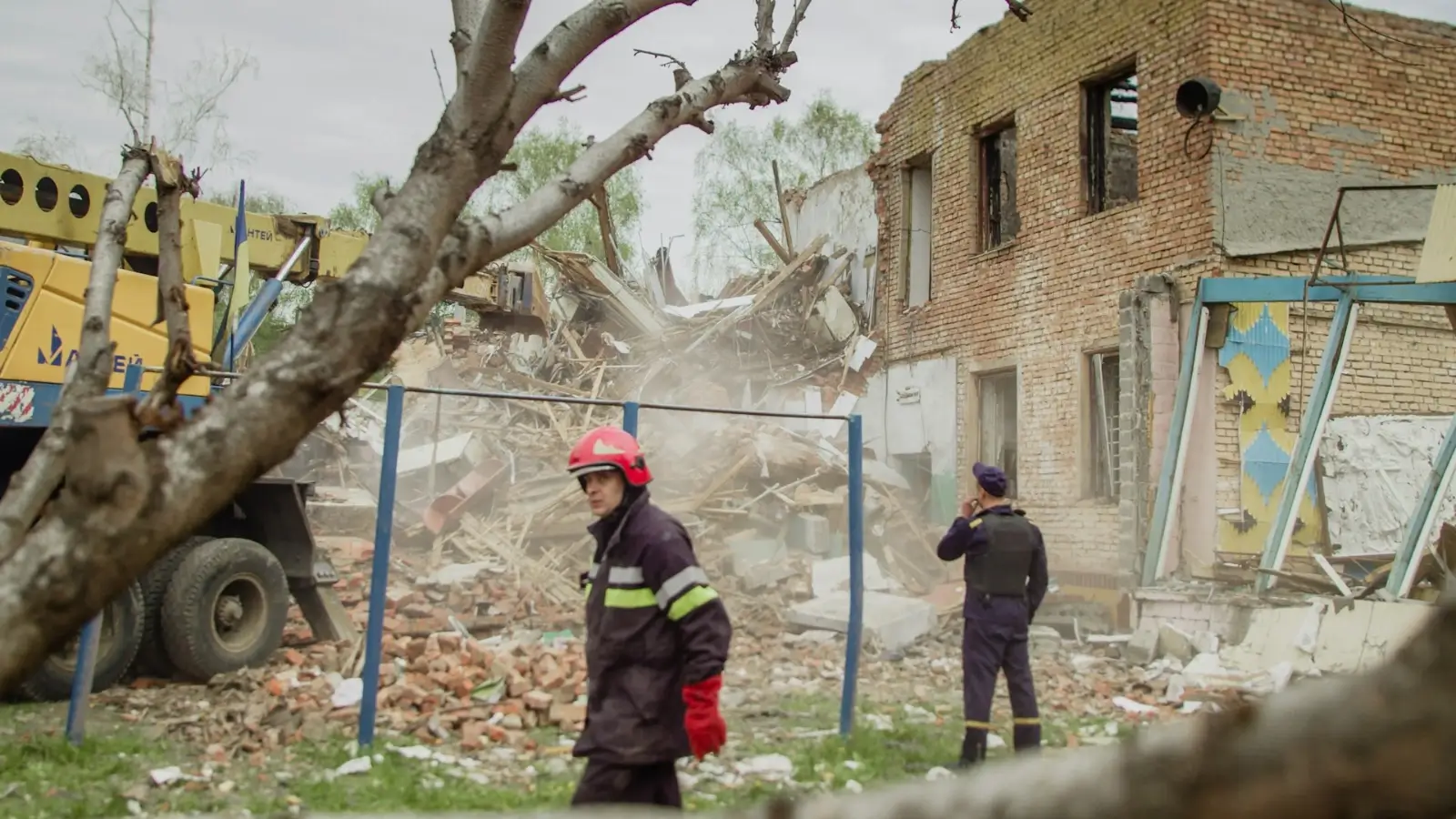
During building structural repair (also known as ซ่อมโครงสร้างอาคาร) or other recovery efforts after a natural or man-made disaster, business operations are likely to suffer. The longer your company is closed, the more money is lost. Good thing there are preventative and post-disaster measures you can take to minimise downtime and losses, from setting up backup solutions to employee training.
Create a Disaster Recovery Plan
What better way to save time and money following a disaster than to have recovery solutions in place? It's difficult to make decisions in the middle of a crisis, so it's important that you already have a plan on what to do when disaster strikes.
- Start by evaluating the risks you are likely and unlikely to face throughout the course of your business. Risk assessment and preparedness go hand in hand for long-term operational stability, making this part of the process an integral part of restoration and recovery.
- Analyse the impact of downtimes on your business and operational workflow. Then, make a list of what to prioritise during recovery efforts. Do you need the power or IT system restored before anything else? Can repairs go last on the list?
- Create a disaster recovery plan that anyone can understand and implement. If you're not around when disaster strikes, someone else can step up and carry out the plan.
Make a Comprehensive Checklist for Disaster Recovery
While there are plenty to consider following any event, there are some elements your disaster cover plan must have.
- Recovery Time and Point Objectives: What length of recovery or data loss is considered acceptable?
- IT Asset Inventory: List all assets necessary for business operations and categorise them according to critical, important, and unimportant. Recovery efforts should prioritise critical assets more than anything else.
- Personnel Roles: A successful recovery plan requires a point person or a team to oversee the whole process. Make sure you list in detail who is responsible for what during a crisis.
- Disaster Recovery Sites: it's important that you already pick a relocation site where working assets can be moved, and temporary operations can resume.
Set Up Robust Backup Solutions
As long as critical data is saved somewhere safe, you can effectively limit downtime.
- Essential data must be regularly backed up off-site to ensure safety.
- You have the option to use cloud-based backups that automatically or periodically save business data.
- With a backup in place, critical information needed to run a system or business infrastructure can be quickly restored.
Provide Employee Training
It's not enough for staff to know about the disaster recovery plan; they should be trained on how to respond appropriately.
- Each employee must know how to act and react during a crisis and their specific role to help speed up restoration and recovery.
- Carry out regular training sessions, like you would a fire or earthquake drill, so they're always ready and confident to face such challenges.
- Check if staff require specific tools that will make them more effective in responding to a crisis. Provide it to them if they're lacking.
Preparedness is key to saving time and money following a disaster. Given the efforts you made to start and operate a business, from registering a company to paying taxes, it's only right to be ready for other critical events.
Need restoration to happen quickly and efficiently? Hire Belfor’s property damage recovery services. They provide comprehensive solutions that help your company get back in business in no time.
Business Outstanders brings you sharp insights on tech, business, entrepreneurship, law, crypto, and more. We uncover what’s next. Stay updated, sign up for our newsletter and be part of the future!