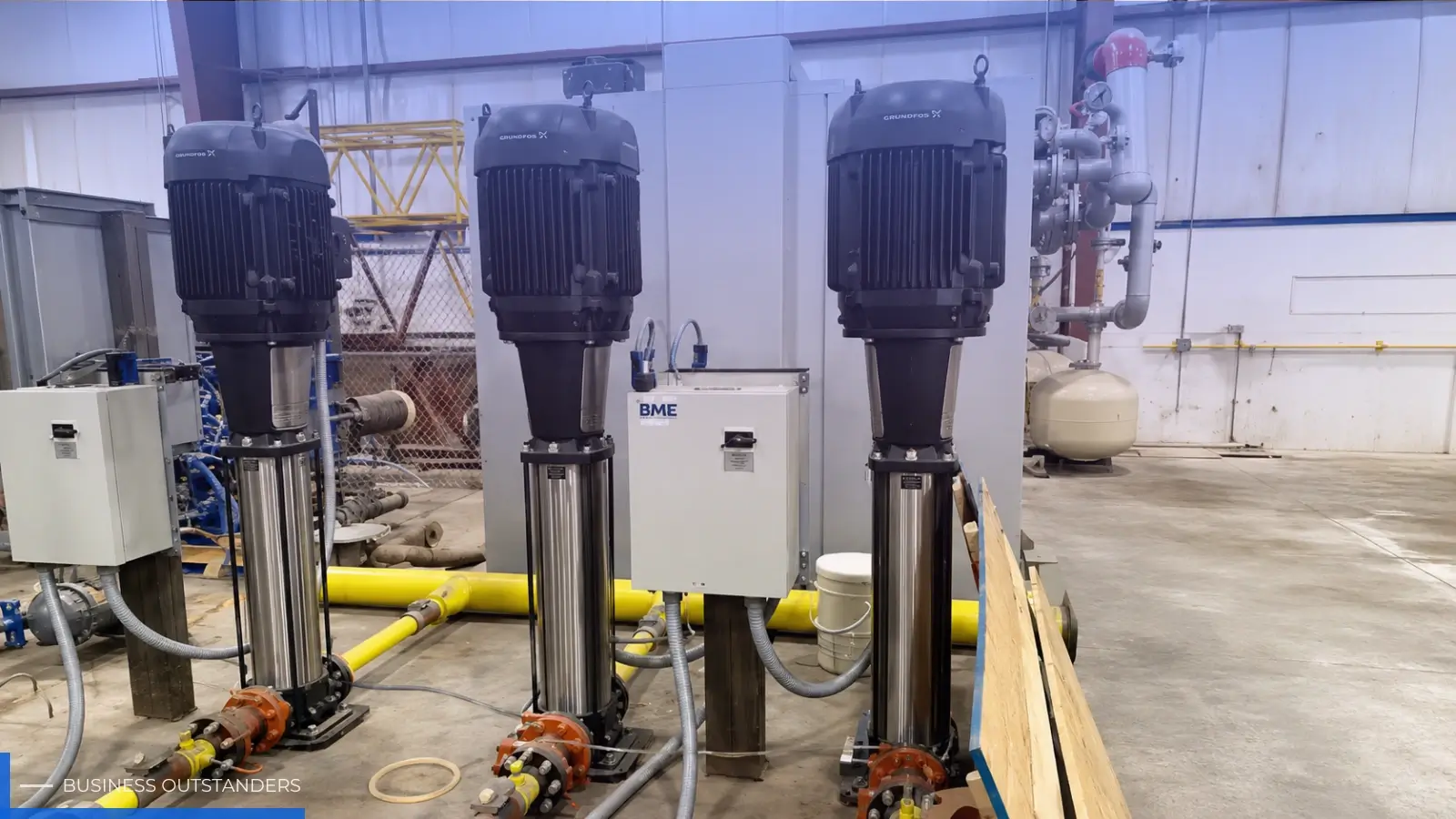
In the dynamic world of business, whether you are a startup finding your footing or an established company looking to scale, the question of acquiring equipment is a constant consideration. Equipment decisions can significantly impact a business’s operational efficiency, cash flow management, and long-term strategic planning. Equipment is essential in industries ranging from construction and manufacturing to hospitality and technology. However, deciding whether to rent or buy equipment involves more than just comparing prices. It requires an in-depth look at immediate needs, future projections, financial implications, space constraints, maintenance responsibilities, and potential technology shifts. In this article, we will walk through the key factors businesses must evaluate before committing to equipment acquisition. This comprehensive guide aims to help decision-makers weigh the pros and cons of renting versus buying and choose the solution that best aligns with their unique operational goals.
Understanding the Business’s Operational Needs
The first and most critical step in deciding whether to rent or buy equipment is clearly understanding the operational requirements of the business. Before any financial calculation, businesses should ask a series of questions designed to clarify the nature and frequency of the equipment usage:
- Is the equipment needed regularly or only for short, sporadic periods?
- Does the business have predictable demand, or does it fluctuate with seasons or specific projects?
- Is the equipment central to core operations or supplementary to occasional tasks?
If equipment is essential on a daily basis and its absence would significantly disrupt operations, purchasing might be the more sensible option. On the other hand, if equipment is used infrequently or seasonally, renting could provide the flexibility needed without tying up capital. For example, a construction firm that works on projects year-round may find ownership of core machinery economical. In contrast, a company launching a one-time event might benefit from renting specialized gear only for the duration of the event.
Evaluating Cost Implications
Cost analysis plays a central role in equipment decisions. However, the conversation should go beyond the sticker price or the rental daily rate. True cost evaluation includes:
- Upfront Costs: Purchasing requires significant capital investment. Renting, by comparison, typically demands lower initial outlay.
- Financing and Interest: If a business finances a purchase, interest costs must be considered.
- Maintenance Costs: Ownership usually comes with ongoing maintenance, repair costs, and potential downtime.
- Insurance and Storage: Owned equipment requires insurance coverage and often dedicated storage space.
- Depreciation: Asset value decreases over time, and businesses must account for depreciation in financial planning.
- Rental Fees: These can add up, especially for long-term projects, but often include maintenance and support.
One often overlooked calculation is the total cost of ownership (TCO) versus the total cost of renting (TCR) over a defined period. Conducting a TCO vs. TCR analysis over a suitable time horizon (such as one year, five years, or the expected life of the equipment) can provide clarity. This comparison should include all tangible and intangible costs to give a realistic picture of long-term expenses.
Flexibility and Scalability
Another major factor influencing the rent vs. buy decision is flexibility. Businesses that face unpredictable workloads, fluctuating market conditions, or changing technology may prefer the flexibility that equipment rentals provide.
Renting allows businesses to:
- Scale operations up or down based on demand
- Test different equipment types before committing to a purchase
- Access the latest technology without being locked into outdated assets
For industries where technology evolves rapidly, such as IT and digital production, renting equipment can help avoid the burden of owning obsolete machines. Rental markets often offer the newest models, allowing businesses to stay competitive without the long-term commitment of ownership.
In contrast, buying equipment benefits businesses that need consistent access, long-term reliability, and control over their assets without worrying about availability or rental schedules.
Cash Flow Considerations
Effective cash flow management is vital for any business. Purchasing equipment outright can strain a company’s finances, especially if the budget is tight or allocated to other growth areas like hiring staff, marketing, or expanding facilities. Renting, with lower upfront costs and predictable monthly expenses, can ease cash flow pressures.
When assessing cash flow impact, businesses should consider:
- Whether current funds are better invested in revenue-generating activities
- The effects of financing payments on monthly budgets
- Seasonal cash flow variations that might affect the ability to make large purchases
In certain circumstances, leasing might serve as a middle ground between renting and buying, offering fixed monthly payments with purchase options at the end of the lease term. Evaluating all available financing options ensures that the business preserves liquidity while maintaining operational efficiency.
Duration and Frequency of Use
A rule of thumb for equipment decisions is to align the commitment with the expected duration and frequency of use:
- Short-Term or One-Off Projects: Renting is often the sensible choice for short engagements or projects that do not justify long-term ownership.
- Regular and Continuous Use: Purchasing might be more cost-effective for equipment used consistently throughout the year.
- Seasonal Demand: If the business has defined peak seasons, a hybrid approach of renting during peaks and reducing inventory during lows might be ideal.
Understanding average usage patterns helps inform decision-making. Tools like historical work logs, project schedules, and forecasting models can provide objective data to guide choices. This data-driven approach reduces emotional bias and ensures that decisions are grounded in operational realities.
Space and Storage Constraints
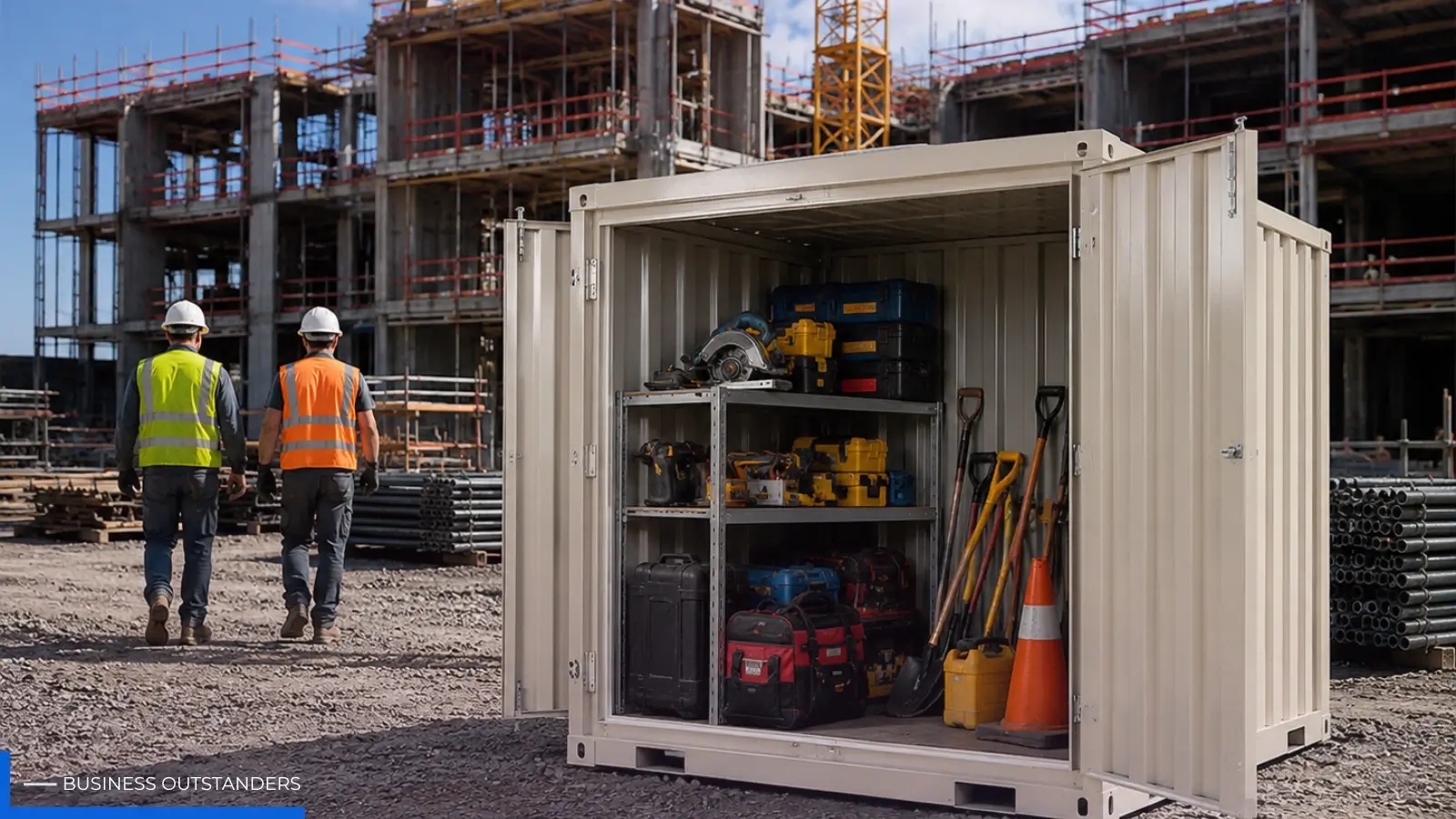
Owning equipment comes with the responsibility of storing and securing it when it is not in use. Businesses with limited space or costly storage solutions may find that renting equipment when needed saves money and simplifies logistics.
Considerations for owned equipment storage include:
- Whether the business has on-site storage facilities
- Costs associated with off-site storage or warehouse rental
- Security measures required to protect the equipment
For companies in urban environments or high-rent areas, the cost of storing large machinery can be prohibitive. Renting equipment, which is delivered and picked up by the rental provider, eliminates storage challenges.
Maintenance, Repairs, and Downtime
When a company purchases equipment, it also assumes responsibility for maintenance, repairs, and any associated downtime. These aspects can be unpredictable and expensive. Businesses must budget for routine servicing, replacement parts, and labor costs for repairs. Moreover, unexpected breakdowns can disrupt operations and lead to project delays.
On the other hand, rental agreements often include maintenance and repair services as part of the cost. This arrangement reduces operational risk, as the rental provider typically handles servicing and replacements if equipment fails. For businesses without in-house maintenance expertise or those that cannot afford prolonged downtime, this benefit can be a decisive factor in favor of renting.
Technological Advancements and Obsolescence
In technology-driven sectors, equipment can become outdated quickly. Buying may make sense when the equipment has a long life cycle with minimal technological changes. However, in industries with rapid innovation cycles, owning equipment might lock a business into outdated technology.
For example, audio-visual production companies, IT firms, and certain manufacturing operations benefit from renting cutting-edge equipment. Rental providers regularly update their inventory with the latest models, ensuring businesses have access to high-performing tools without the risk of obsolescence.
When considering ownership, businesses should forecast how soon equipment might need replacement due to evolving technology standards.
Supplier Relationships and Market Conditions
The nature of the relationship between a business and its equipment supplier can also influence the decision. Long-term partnerships with trusted vendors can result in favorable purchase terms, bulk discounts, extended warranties, and priority service. In contrast, reputable rental companies can offer flexible short-term access to quality equipment without long-term commitments.
Businesses should evaluate:
- The reliability and reputation of suppliers and rental companies
- Availability of service agreements and after-sales support
- Market conditions that may affect pricing or availability
Understanding the local rental marketplace, including competitive pricing and service quality, helps businesses make informed choices. For example, a construction company operating in a region with high rental demand might encounter equipment shortages or high rental rates during peak seasons, making ownership more appealing.
A practical place to explore rental options is rentdfw.com, which offers a variety of equipment rentals for businesses seeking flexible solutions without long-term commitment. If you’re operating in Australia, partnering with a local equipment hire company like Active Hire can help you secure reliable access to a broad equipment range and support services while keeping commitments flexible.
Tax Implications
Tax considerations can also play a role in the equipment decision. In many jurisdictions, purchasing equipment allows businesses to depreciate the asset over time, resulting in tax deductions. These deductions can provide significant financial benefits, effectively lowering the net cost of ownership.
Renting often allows businesses to deduct the full rental expense in the period it is incurred, which can simplify accounting and offer immediate tax benefits. However, tax laws vary by region and business structure, so consulting with a tax professional is essential to understand the implications fully.
Strategic Alignment and Long-Term Goals
Ultimately, the decision to rent or buy equipment should align with the company’s strategic goals. Businesses that anticipate rapid growth, diversification of services, or entry into new markets may prefer to keep operations lean and flexible. Renting equipment can support agility and reduce financial risk.
Conversely, companies with stable operations and predictable workloads might find that owning equipment enhances control and reduces long-term costs. Ownership can also signal stability to clients and stakeholders, potentially strengthening the business’s market position.
Risk Management
Risk management should be an integral part of the equipment decision process. When purchasing equipment, businesses assume risks related to:
- Market downturns affecting demand
- Resale value fluctuation
- Operational disruptions due to breakdowns
Renting shifts some of these risks to the rental provider, which can be an advantage for businesses operating in uncertain environments. Evaluating risk tolerance and the capacity to absorb unforeseen costs helps inform a more resilient strategy.
Making the Decision: A Framework
To simplify decision-making, businesses can use the following framework:
- Define Operational Requirements: Determine how often and how intensively the equipment will be used.
- Conduct Financial Analysis: Compare total cost of ownership versus total cost of renting.
- Evaluate Space and Maintenance Needs: Assess storage, maintenance capabilities, and associated costs.
- Assess Technological Needs: Consider how quickly equipment may become outdated.
- Review Tax and Financial Implications: Consult financial professionals to understand benefits and obligations.
- Analyze Market and Supplier Dynamics: Research rental availability and supplier offerings.
- Align with Strategic Goals: Ensure the choice supports long-term business objectives.
Conclusion
Choosing whether to rent or buy equipment is a multifaceted decision that requires careful analysis of operational needs, financial health, strategic goals, and market conditions. There is no universal answer, as the best choice depends on the specific context and priorities of each business. By taking a structured and data-driven approach, companies can optimize their resource allocation, maintain operational efficiency, and position themselves for sustainable growth. Whether prioritizing flexibility with rentals or stability through ownership, informed decision-making leads to better outcomes and stronger business performance.
Business Outstanders brings you sharp insights on tech, business, entrepreneurship, law, crypto, and more. We uncover what’s next. Stay updated, sign up for our newsletter and be part of the future!