The Boy with One Bag
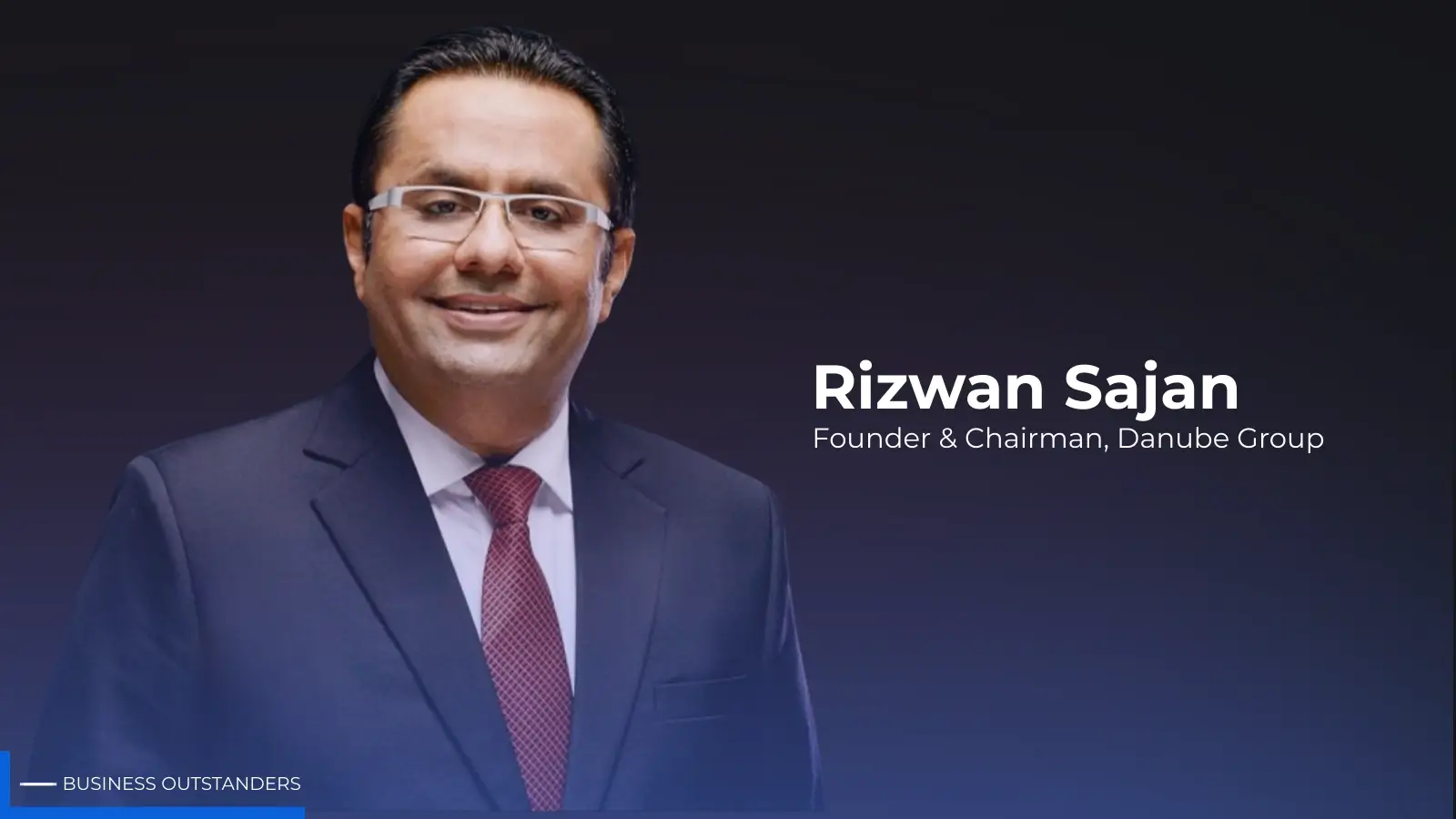
In 1981, an 18-year-old from India boarded a flight to Kuwait with a single bag and a trainee job waiting at his uncle's building materials shop. His name was Rizwan Sajan. He had no savings, no degree, and no blueprint. What he did have was hunger, the quiet, unshakeable kind that only comes from knowing you have nothing to fall back on.
His starting salary: 150 Kuwaiti Dinars a month, approximately ₹18,000 at the time. Enough to survive. Not enough to get comfortable.
His uncle made one thing clear from day one: "The salary keeps you alive. The selling is what moves you forward."
— Rizwan Sajan's uncle, a lesson he still carries
Eight Years of an Education Money Can't Buy
The shop floor became Sajan's classroom. Every customer interaction was a lesson in human behaviour. Every negotiation sharpened his instincts. No business school syllabus covers what he was learning in real time: how to read a buyer's intent before they've said a word; how to build the kind of trust that turns a one-time sale into a decade-long relationship; how to hold firm on a margin without making the other side feel like they've lost.
His uncle's philosophy, "make two plus two equal five", wasn't about deception. It was about value creation. Finding the deal inside the deal. Making both parties walk away feeling like winners. It is, in essence, the philosophy behind every great business.
By the time Sajan was 26, his commissions alone had crossed ₹1.5 lakh a month, an extraordinary figure for the era. He had built a reputation, a network, and a financial foundation. He was, by every measure, on his way.
The War That Took Everything — Except What Mattered
Then, on August 2, 1990, Saddam Hussein's forces invaded Kuwait.
Eight years of work. Eight years of relationships. Eight years of savings. Gone overnight.
Sajan returned to India at 26 with zero money. The balance sheet had been wiped clean. For most people, that would be a life-defining blow, the kind that breaks a person's belief in the future. For Rizwan Sajan, it was a reckoning that proved something far more important.
There are things a war cannot take. The ability to sell. The ability to read people. The ability to negotiate. The ability to create value from nothing. Those eight years in Kuwait had not given him money, they had given him the understanding of how money works.
"Skills can survive things that money can't. Wars, crashes, bad luck."
— Rizwan Sajan
Dubai, 1993: Building an Empire from the Ground Up
Three years after the invasion, Rizwan Sajan arrived in Dubai. He founded Danube in 1993, a building materials trading company, with no external capital, no safety net, and nothing but the hard-won instincts of eight years on the shop floor in Kuwait.
What followed is now the stuff of Gulf business legend. Danube Group grew from a single trading outfit into one of the region's most diversified conglomerates, spanning building materials, home furnishings, real estate development, and food processing. Today, the group employs thousands across multiple countries and generates revenues that run into billions of dirhams annually.
Rizwan Sajan, the boy who left India at 18 with one bag, is now the Chairman and Founder of one of Dubai's most recognisable business empires. But ask him about his greatest asset, and he won't point to a balance sheet.
The Lesson Behind the Legend
Sajan's story carries a truth that is easy to state and hard to internalise: skills are more durable than capital.
Markets crash. Wars erase savings. Businesses fail. But the person who understands people, who knows how to create value, build trust, and find opportunity where others see nothing, can start again from zero and still arrive somewhere remarkable.
Rizwan Sajan lost everything in 1990. He built it all back, and then some, because the war couldn't touch what mattered most: the kind of knowledge that lives in your hands and your instincts, not in your bank account.
He left India at 18 with one bag.
He came back at 26 with no money.
He built an empire anyway.
Also Read: Apoorva Mehta: Instacart Founder Who Never Quit and Won
Explore More Success Stories: Discover more inspiring entrepreneurial journeys, leadership lessons, and business success stories in the BusinessOutstanders.com Success Stories category.
Business Outstanders brings you sharp insights on tech, business, entrepreneurship, law, crypto, and more. We uncover what’s next. Stay updated, sign up for our newsletter and be part of the future!