Skincare for Dry Skin That Focuses on Long-Lasting Hydration and Care
— Understanding how different products work together throughout the day and night can make the difference between temporary relief and actual improvement in skin health.
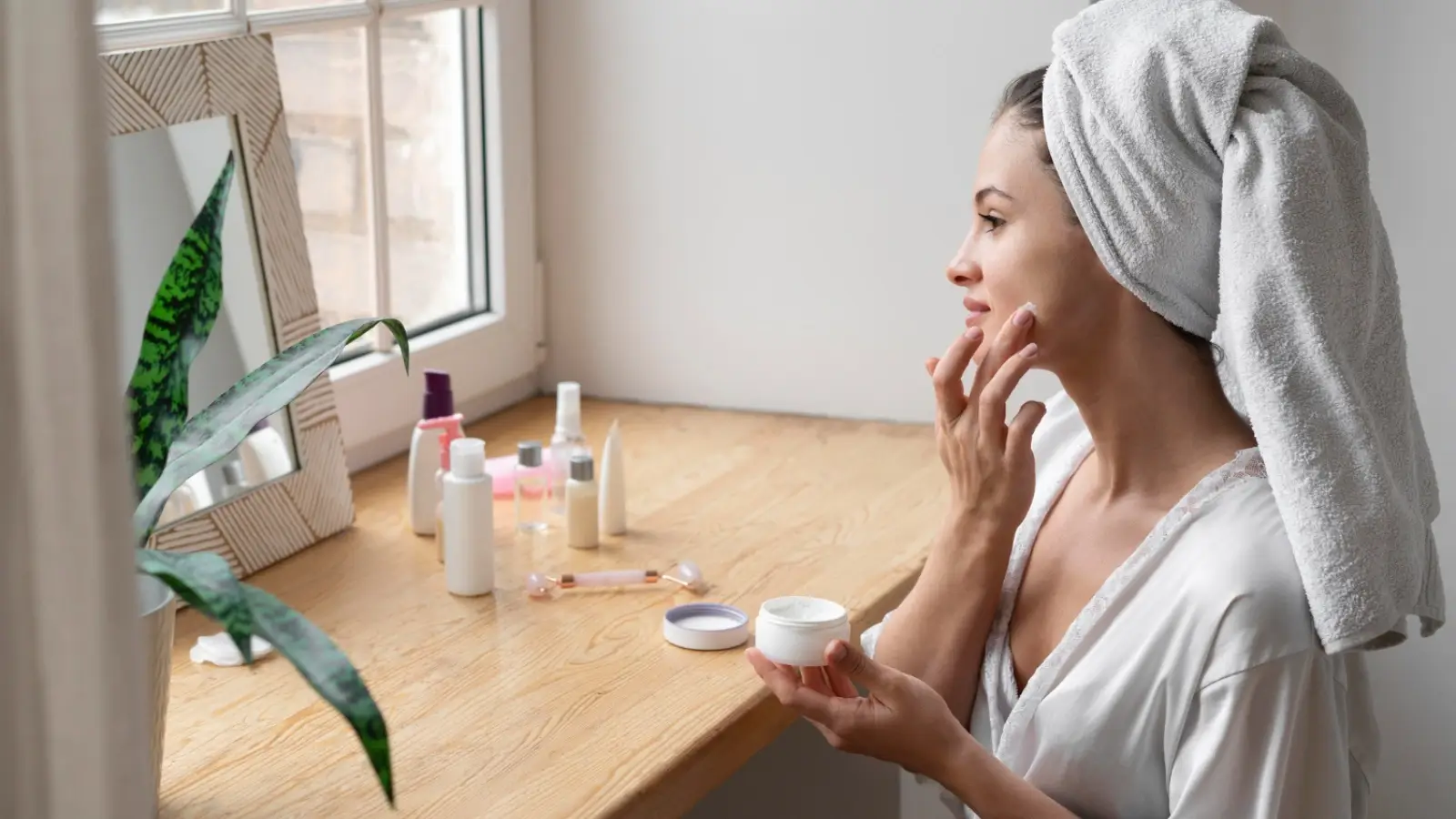
Managing dry skin requires more than just slapping on moisturizer when your face feels tight. The key to truly effective skincare for dry skin lies in building a routine that addresses both immediate hydration needs and long-term barrier repair. Dermatological research emphasizes that dry skin is often a symptom of compromised barrier function, where the lipid matrix between skin cells has been depleted. This creates a cycle where moisture escapes, irritants get in, and inflammation keeps the barrier from healing properly. Understanding how different products work together throughout the day and night can make the difference between temporary relief and actual improvement in skin health.
Morning Hydration Strategies That Last All Day
Starting your day with the right layering sequence matters more than most people think. I used to just wash my face and throw on whatever moisturizer was handy, but the order and timing actually affect how well products penetrate and perform.
After cleansing with a gentle, non-foaming cleanser (sulfates strip too much oil), apply products to slightly damp skin. Research shows that humectants work better when there's existing moisture to grab onto. Pat in a hydrating toner or essence containing ingredients like sodium hyaluronate or beta-glucan. These prep the skin to receive heavier products.
Then comes your treatment serum if you use one. For dry skin, look for serums with niacinamide, which studies show increases ceramide production by about 34% and improves barrier function. It also reduces transepidermal water loss, meaning your skin actually holds onto moisture better throughout the day.
The moisturizer you choose for daytime should balance hydration with practicality. Products containing a blend of humectants and emollients work well under makeup or sunscreen. Clinical trials indicate that moisturizers with a 3:1:1 ratio of ceramides, cholesterol, and fatty acids most closely mimic the skin's natural lipid composition.
Nighttime Repair When Your Skin Does Its Heavy Lifting
Here's something interesting about skin physiology. Your skin barrier is more permeable at night, and cell turnover peaks between 11pm and 4am. This means nighttime is when your skin is most receptive to reparative ingredients and also when it loses the most moisture if not properly protected.
Night creams for dry skin should be richer and more occlusive than daytime products. Look for ingredients like squalane, which penetrates deeply without clogging pores, or plant-based oils high in linoleic acid like rosehip or grapeseed oil. Studies on these oils show they can actually improve barrier function rather than just sitting on the surface.
Sleeping masks or occlusive balms as a final step can reduce overnight water loss by up to 95%. Some people worry about their skin not "breathing" under heavy products, but that's kind of a myth. Your skin doesn't breathe through its surface, it gets oxygen from your bloodstream.
The Weekly Treatments That Make a Real Difference
Adding targeted treatments once or twice a week can accelerate improvement in dry skin conditions. Gentle enzymatic exfoliation removes the buildup of dead cells that prevents moisturizers from penetrating properly. But here's the thing, you need to be really careful with this. Over-exfoliating dry skin is probably the biggest mistake I see people make.
Research shows that using lactic acid at 5-12% concentration can exfoliate while also improving hydration since it acts as a humectant. Studies found it increased skin moisture content by about 25% after four weeks of use.
Sheet masks or hydrogel patches can provide an intense hydration boost. The occlusive nature of the mask itself prevents evaporation, forcing ingredients deeper into the skin. Clinical data shows single-use masks can increase skin hydration by 40-60% immediately after use, though the effect diminishes within 24 hours unless you maintain it with regular moisturizing.