Shopping for gel nail products online means sorting through hundreds of options with varying quality levels, incomplete product descriptions, and reviews that sometimes contradict each other. When you buy gel nail polish kit online, understanding what specifications actually matter helps you avoid wasting money on inadequate equipment or low-quality formulas. Consumer protection data from beauty product testing agencies shows that approximately 40% of gel nail kits under $50 fail to cure polish completely due to insufficient lamp wattage or poorly formulated gels, resulting in manicures that chip within 3-5 days instead of lasting the expected 14-21 days.
Lamp Specifications That Actually Matter
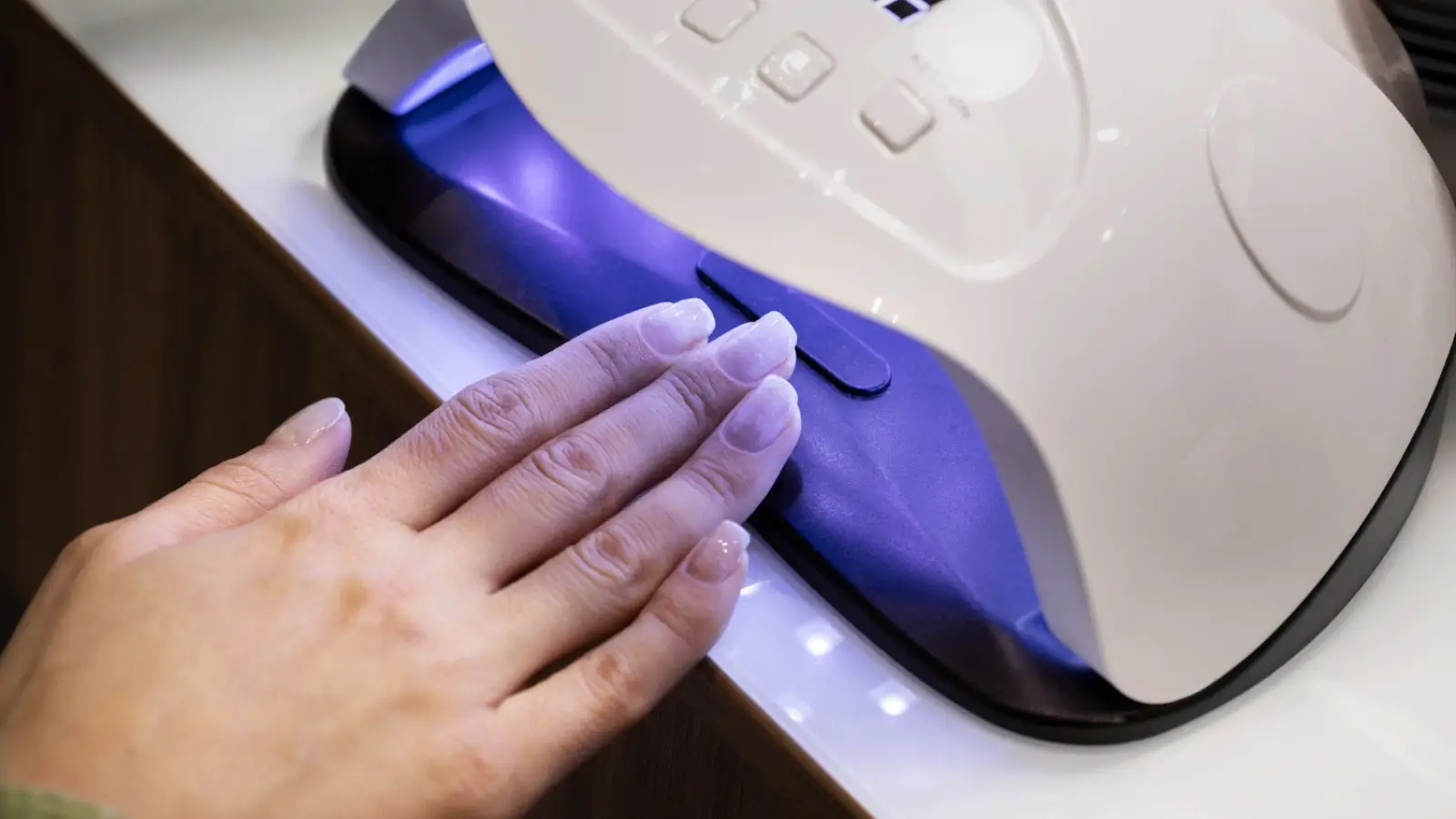
The lamp is probably the most important component, so let's start there. You need at least 36 watts for reliable curing, though 48 watts is better. Anything less than 36 watts will leave some polishes tacky or only partially hardened.
LED lamps cure faster and last longer than UV lamps, typically 30-60 seconds versus 2-3 minutes per layer. LED bulbs also last for 50,000 hours on average compared to UV bulbs that need replacement after 3-6 months of regular use.
Check whether the lamp has automatic sensors that turn on when you insert your hand. This convenience feature prevents forgetting to start the timer. Timer settings should include options for 30, 60, and 90 seconds minimum.
The interior size matters if you have larger hands. Some compact lamps don't accommodate all five fingertips comfortably, forcing awkward positioning that leads to uneven curing.
Gel Formula Quality Indicators
Reading ingredient lists helps identify better formulas. Look for gel polishes that list specific oligomer types like urethane acrylate or epoxy acrylate rather than vague terms like "gel base." Quality brands provide detailed ingredient information.
Pigment concentration shows up in product descriptions as coverage claims. Gels that achieve full opacity in two coats contain higher pigment loads than those requiring three or four coats. This isn't just about convenience but about creating thinner overall applications that flex better with your nail.
HEMA-free formulations reduce allergy risk for people with sensitive skin. Some users develop reactions to HEMA (2-hydroxyethyl methacrylate) after repeated exposure, so avoiding it makes sense even if you haven't had problems yet.
Brand reputation matters too. Companies that have been selling gel products for several years usually have formulas they've refined based on user feedback, while new brands might still be working out quality issues.
Essential Tools and Accessories
A complete kit needs more than just polish and a lamp. Proper prep tools include a nail file (180-grit works well for most purposes), a buffer to smooth the nail surface, cuticle pusher, and cuticle nippers if you prefer trimmed cuticles over pushed-back ones.
Prep solutions are critical. You need a cleanser to remove oils and a dehydrator or pH balancer to prepare the nail surface. Some kits include a primer for additional adhesion, though this isn't always necessary with good base coats.
Lint-free wipes are better than cotton pads for cleaning nails because they don't leave fibers that get trapped in gel layers. Many kits include these, but you can buy them separately if needed.
Removal supplies matter too. You'll need pure acetone (not nail polish remover with added moisturizers), aluminum foil or removal clips, and cotton pads. Some kits include these, others don't.
Business Outstanders brings you sharp insights on tech, business, entrepreneurship, law, crypto, and more. We uncover what’s next. Stay updated, sign up for our newsletter and be part of the future!