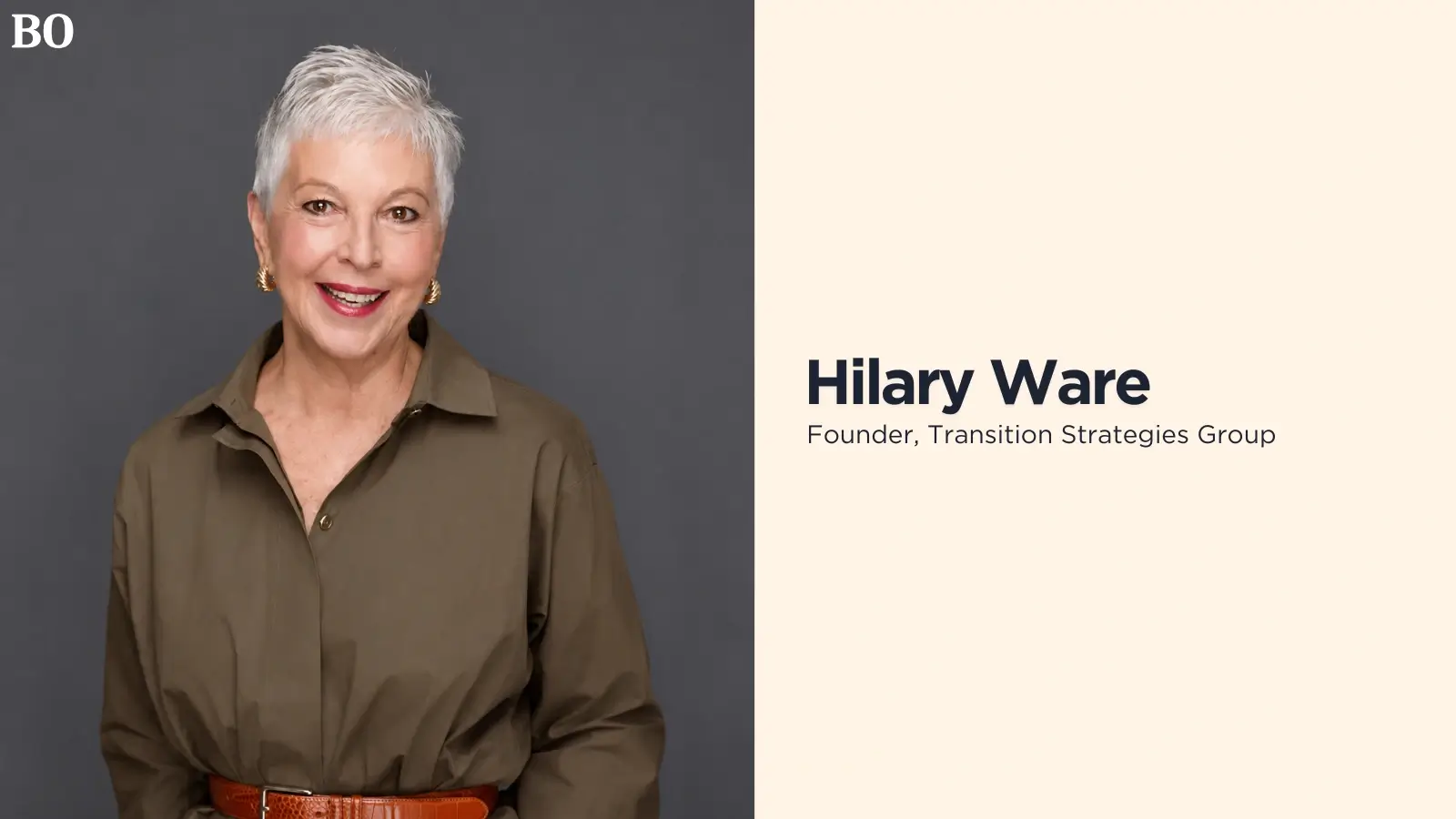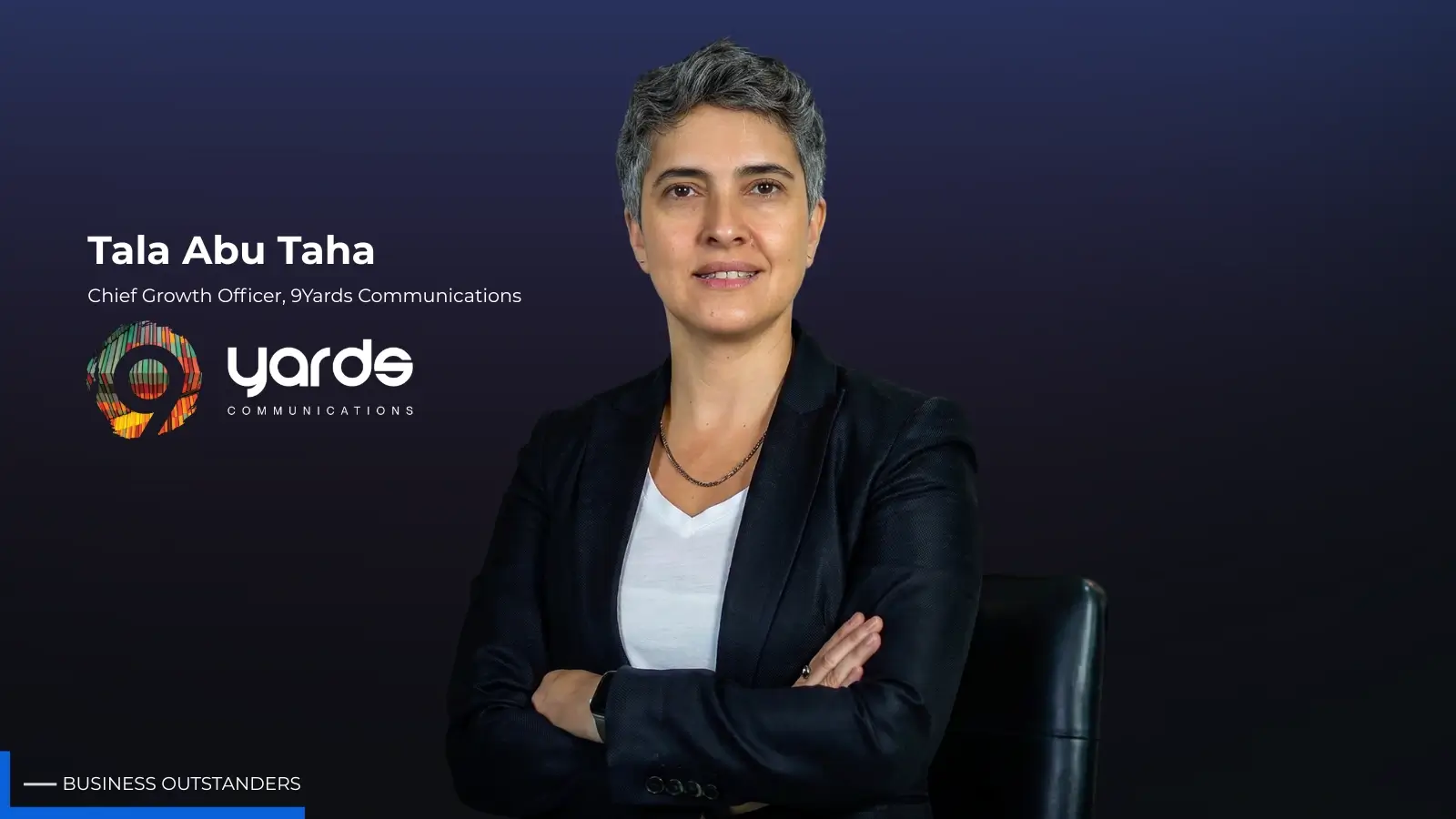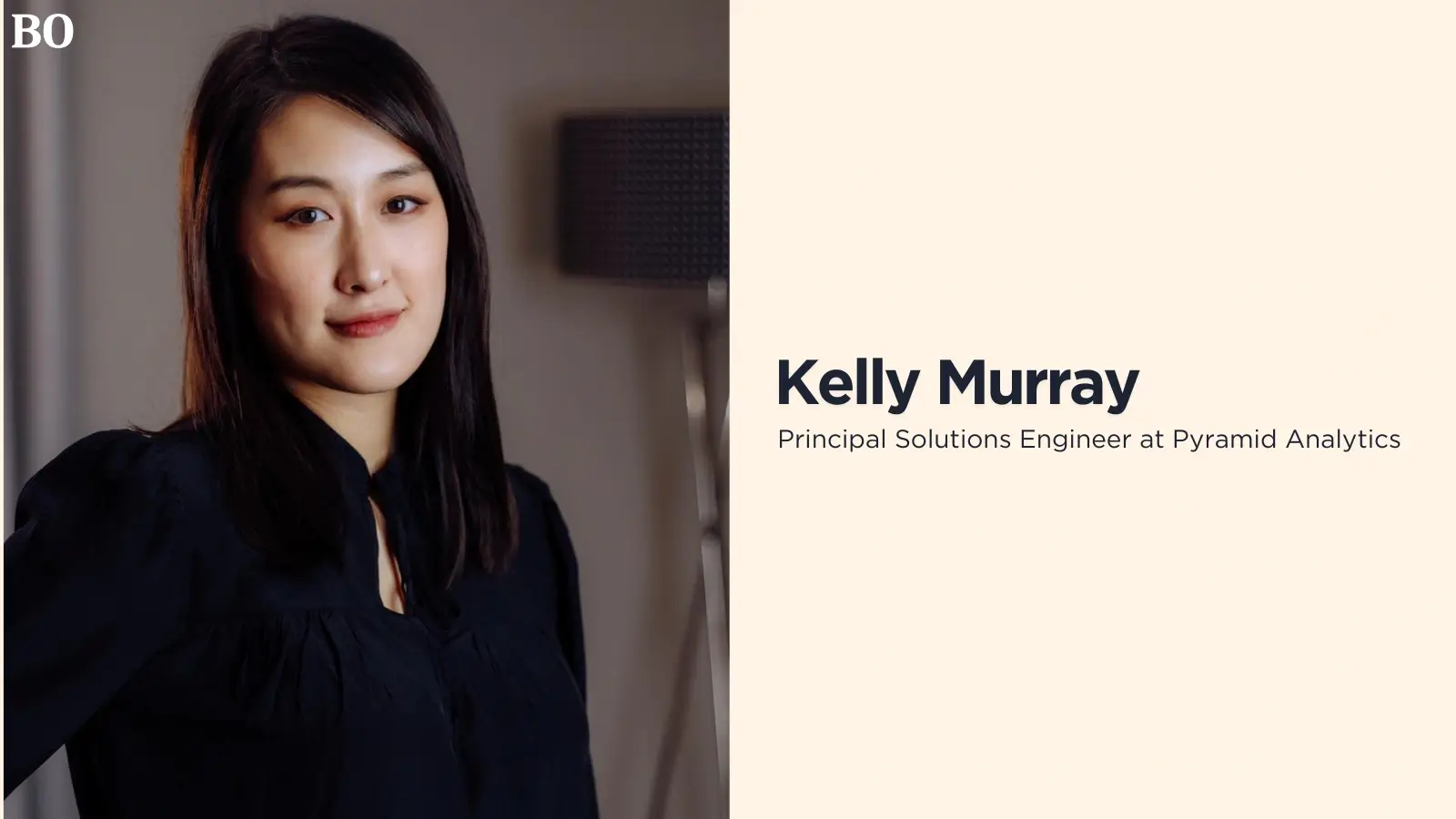
As we enter Women’s History Month 2026, the global business landscape is at a critical inflection point. The national theme, “Leading the Change: Women Shaping a Sustainable Future,” arrives at a moment when organizations are moving beyond the hype of artificial intelligence and into the reality of AI governance, economic volatility, and climate resilience.
In 2026, sustainability is no longer just a "green" initiative. It is a multi-dimensional framework encompassing financial resilience, leadership succession, and institutional knowledge. For forward-thinking leaders, the challenge is no longer just celebrating women’s history, but integrating it into the future of work.
The Experience Gap — Moving to Structural Power
Current industry trajectories indicate a widening "Experience Gap" between organizations that treat gender equity as a compliance checkbox and those that treat it as a core growth engine. Structural Power is the ability to influence resource allocation and AI ethics. When women are excluded from these tiers, organizations lose Institutional Knowledge, the nuanced understanding of how systems fail and how to fix them.
Across organizations navigating AI governance frameworks in 2025, a clear pattern has emerged: companies with women embedded in oversight and risk roles tend to identify systemic blind spots earlier and respond with greater agility. Inclusion at the surface level does not produce this outcome, structural authority does.
For deeper insight into how trust, psychological safety, and clarity shape performance inside complex global organizations, see our conversation with Corina Taban, who examines the human dynamics that determine whether strategy truly lands under pressure.
The "Give to Gain" Philosophy
In 2026, many corporate and civic campaigns are activating around a “Give to Gain” philosophy, positioning investment in women as a multiplier for long-term resilience. This philosophy posits that when a business "gives", investing in women through mentorship and capital, it "gains" a more resilient and innovative ecosystem.
- Mentorship as Succession: Investing in junior talent builds a pipeline of leaders who can navigate future disruptions.
- Reciprocal Growth: Giving women autonomy in leadership roles drives ethical governance, a key factor for talent retention in 2026.
This emphasis on intentional, sustainable growth is echoed in our interview with Natasha Panetta, who outlines how clarity, structure, and long-term strategy support women-led businesses without resorting to reactive or performative growth tactics.
Practical Roadmap for 2026
To move beyond performative allyship, leadership must implement tangible changes:
- Equity Audits: Correct historical compensation gaps that hinder women’s long-term wealth accumulation.
- AI-Bias Training: Ensure women are at the helm of AI governance to prevent the automation of old prejudices.
- Support Women-Led Supply Chains: Redirect procurement budgets to female entrepreneurs to create documented Economic Impact.
- Intergenerational Workshops: Facilitate "reverse mentoring" where younger employees share digital-native sustainability insights with senior leaders.
For a perspective on responsible AI integration that prioritizes transparency, human accountability, and ethical communication, explore our discussion with Irina Pugliese, who advocates for technology that enhances judgment rather than replaces it.
The Trust Factor — Acknowledging the Plateau
Progress is not linear, and 2026 represents a period of recalibration rather than acceleration in many sectors. In some industries, promotion momentum has slowed compared to post-pandemic recovery highs, reinforcing the perception of a plateau in Gender Equity advancement. Recognizing this reality builds credibility and signals long-term commitment over short-term optics.
FAQ: Leadership Queries for 2026
What is the "Give to Gain" philosophy?
It is a strategic framework where leaders provide resources to women, ensuring higher retention and better ethical governance for the firm.
How does gender diversity mitigate AI risks?
Gender-diverse teams bring broader perspectives to "Red Teaming" exercises, identifying social biases in algorithms that homogeneous teams often miss.
What is the focus for 2026?
The global economy has shifted toward ESG stability. Research shows companies with women in executive roles are more likely to meet sustainability targets and manage long-term risk.
The true measure of Women’s History Month 2026 will not be the campaigns launched in March, but the structural decisions embedded into governance frameworks by year’s end. Organizations that translate celebration into structural authority will define what sustainable leadership truly means in 2026.
Business Outstanders brings you sharp insights on tech, business, entrepreneurship, law, crypto, and more. We uncover what’s next. Stay updated, sign up for our newsletter and be part of the future!