Windows play a larger role in home comfort and performance than many homeowners realize. They shape how natural light enters a room, influence interior temperature, and contribute to the overall look of a home. But beyond appearance, windows also play a significant part in household energy use. Modern energy-efficient windows are designed to reduce heat transfer, improve indoor comfort, and help homeowners manage long-term energy costs. With advancements in materials, glazing technology, and installation practices, today’s energy-saving windows offer benefits that reach far beyond simple aesthetics.
In today’s world of rising energy costs and heightened environmental awareness, energy efficiency has become a priority. Older windows can allow a significant amount of conditioned air to escape, forcing heating and cooling systems to work harder than they should. In fact, a considerable portion of a home’s heat loss can be traced to outdated or poorly insulated windows. This makes upgrading to carefully engineered, energy-efficient designs a practical investment that enhances both comfort and sustainability.
The Science Behind Energy-Efficient Windows
Energy-efficient windows reduce unwanted heat transfer by combining modern glazing layers, insulating gases, and durable frame materials. Traditional single-pane windows offer minimal resistance to outdoor temperatures, while modern designs incorporate technology that helps maintain consistent indoor conditions.
Double or triple glazing is one of the most effective features. With two or three panes of glass separated by air or inert gas, the insulated space slows the movement of heat. Argon and krypton gases are commonly used because they conduct heat far more slowly than ordinary air, delivering better temperature control.
Low-emissivity (Low-E) coatings are another defining feature. These invisible layers are applied to the glass to reflect infrared heat. During winter, Low-E coatings help keep warmth inside, while in summer, they reduce the amount of solar heat that enters. Combined with strong, insulated frames and tight seals, these technologies create window systems that significantly out-perform older models.
Key Components That Improve Window Efficiency
Every part of an energy-efficient window contributes to its overall performance. The following components work together to reduce energy loss and improve indoor comfort:
1. Multiple Glazing Layers:
Double and triple-pane windows create insulating barriers. The more layers and insulating gaps a window has, the less heat it allows to pass through.
2. Gas Fills:
Argon or krypton gas fills the spaces between panes, slowing heat transfer and reducing the window’s U-factor, a measurement of heat loss.
3. Low-E Glass Coatings:
Low-E coatings reflect radiant heat, keeping homes warmer in winter and cooler in summer without blocking natural light.
4. Insulated Frames:
Vinyl, fiberglass, and wood-clad frames provide strong insulation and reduce thermal bridging, the process where heat moves through the frame.
5. Weatherstripping and Tight Seals:
Reliable seals around the edges of the window prevent drafts and air leaks, ensuring that conditioned air stays inside the home.
The combination of these features creates windows that not only improve energy performance but also enhance year-round comfort.
The Wide-Reaching Benefits of Energy-Efficient Windows
Installing energy-efficient windows offers benefits that affect nearly every aspect of home performance. While energy savings are a major advantage, homeowners also experience improvements in comfort, durability, and indoor quality.
1. Reduced Energy Costs
By controlling heat transfer, energy-efficient windows ease the workload on heating and cooling equipment. HVAC systems run more efficiently, which often results in lower monthly bills. Over time, the energy savings can exceed the initial investment, making these windows a practical long-term upgrade.
2. Enhanced Indoor Comfort
Older windows can cause noticeable cold spots in winter and excessive heat in summer. Energy-efficient windows help maintain a more stable indoor environment by minimizing drafts and preventing outdoor temperatures from influencing interior conditions. The result is a more comfortable home throughout the year.
3. Noise Reduction
Multiple glazing layers, insulating gases, and tight seals also block outdoor noise. Homes near busy streets, active neighborhoods, or high-traffic areas benefit from a quieter, more peaceful indoor environment.
4. Protection from UV Rays
Low-E coatings block a significant amount of harmful ultraviolet light, protecting furniture, flooring, and artwork from fading. This helps maintain the appearance of interior décor while also contributing to a healthier indoor environment.
5. Environmental Benefits
Energy-efficient windows lower the amount of energy required to heat and cool a home. Reduced energy use means a smaller carbon footprint, helping homeowners make environmentally responsible choices without sacrificing comfort.
6. Increased Property Value
Modern windows are highly desirable in the housing market. They signal to potential buyers that a home is well-maintained and designed for long-term performance. Energy-efficient upgrades can contribute to a home’s resale value and overall appeal.
7. Better Control of Condensation
Improved insulation reduces interior condensation, which helps prevent issues such as mold growth, dampness, and damage to surrounding materials.
These advantages make energy-efficient windows one of the most impactful home improvement projects available.
Understanding Energy Ratings When Choosing New Windows
Energy-efficient windows are rated using several key metrics, which help homeowners understand their performance:
U-Factor
The U-factor measures how much heat a window allows to pass through it. Lower numbers indicate better insulation and improved performance in colder climates.
Solar Heat Gain Coefficient (SHGC)
SHGC measures how much solar heat enters a home through the glass. Lower values are ideal in warmer climates to keep indoor temperatures down, while higher values may be beneficial in colder regions to increase passive solar heat.
Windows are certified to meet strict performance guidelines set by national standards. Choosing certified windows gives homeowners confidence that their new windows will meet or exceed expected efficiency requirements.
Why Proper Installation Is Essential
Even the most advanced window will underperform if it is not installed correctly. Proper installation ensures that each window sits evenly, seals tightly, and operates smoothly.
Professional installers use a step-by-step process that includes inspecting the window opening, ensuring structural stability, adding insulation around the frame, and sealing gaps to prevent air or moisture infiltration. Each part of this process contributes to maintaining the thermal performance of the window.
A window that is slightly misaligned or left with even a small gap can lead to drafts, energy loss, or moisture issues. Skilled installers help ensure that the benefits of energy-efficient windows are fully realized, supporting both comfort and long-term durability.
Maintaining Energy-Efficient Windows for Continued Performance
Energy-efficient windows require minimal upkeep, but regular maintenance helps preserve their efficiency and extend their lifespan.
-
Clean the glass with non-abrasive products to maintain clarity and protect coatings.
-
Inspect seals and weatherstripping annually to ensure they remain tight and undamaged.
-
Lubricate moving parts on operable windows to prevent wear and ensure smooth function.
-
Treat wood frames as needed to guard against moisture, while vinyl and fiberglass frames typically require simple cleaning.
Routine care keeps windows functioning properly and protects the investment for many years.
Energy-Efficient Windows in Modern Architecture
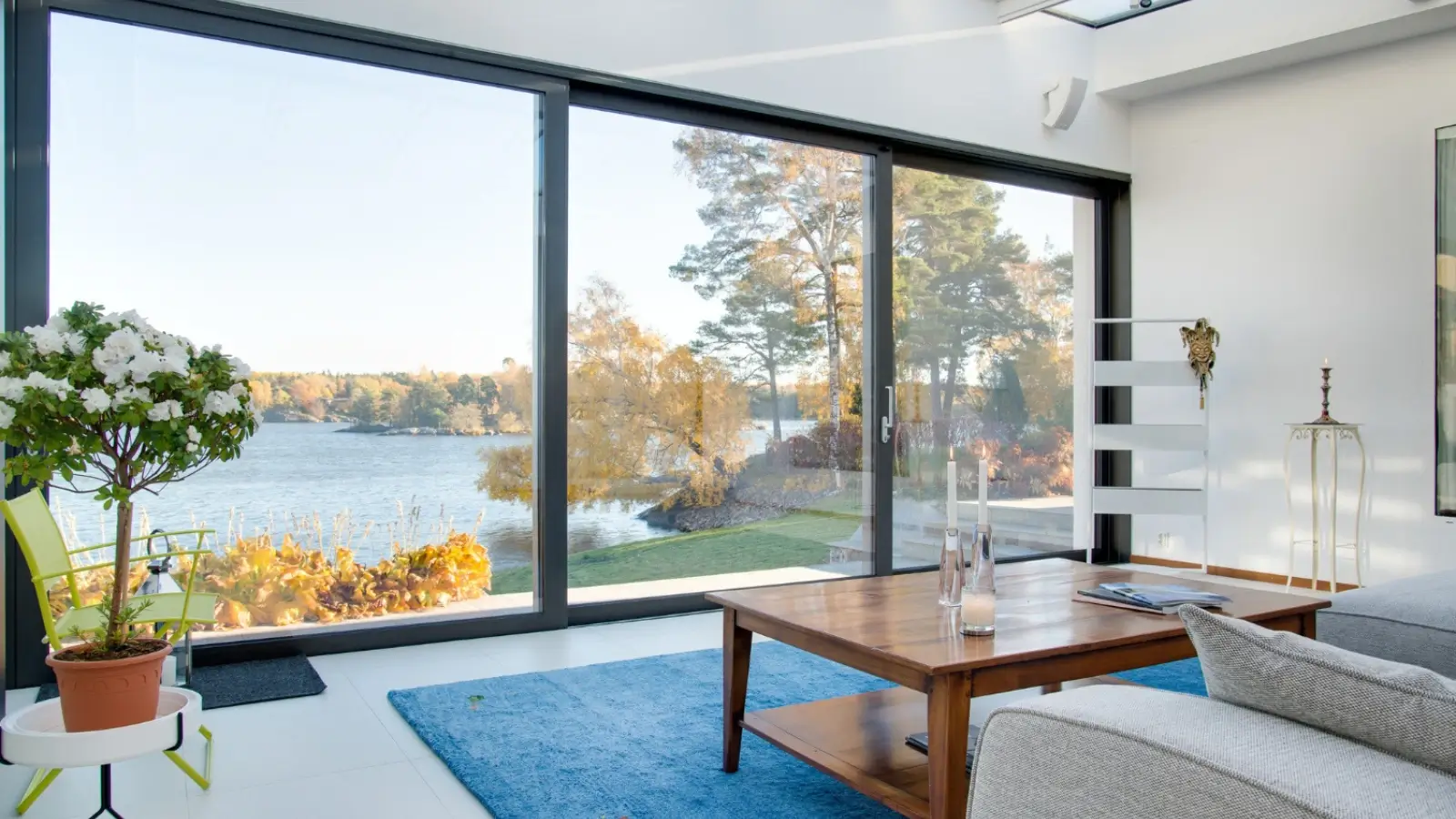
The rise of energy-efficient windows has influenced both residential and commercial architecture. They allow designers to incorporate larger windows, expansive views, and open interior spaces without sacrificing comfort or performance. Advanced glazing technologies ensure that even large windows can maintain excellent insulation.
Some modern systems integrate smart-home technology, including glass that adjusts tint automatically based on sunlight. These innovations show how far window technology has evolved to support both aesthetic goals and energy conservation.
Financial Incentives and Long-Term Value
Because energy-efficient windows help reduce energy consumption, many programs offer incentives, rebates, or financing options for homeowners who choose to upgrade. These incentives help offset initial costs and encourage energy-conscious home improvements.
Long-term savings come from lower utility bills, reduced strain on HVAC systems, and improved durability. Combined with enhanced indoor comfort and increased home value, the financial benefits of energy-efficient windows are substantial.
Conclusion
Energy-efficient windows are a meaningful upgrade for homeowners seeking comfort, durability, and long-term savings. Their advanced design reduces heat loss, blocks unwanted solar heat, minimizes drafts, and helps create a more stable indoor environment. When paired with professional installation and regular maintenance, energy-efficient windows continue to deliver benefits year after year.
From improved insulation to greater sustainability and enhanced living comfort, these windows play a vital role in modern home performance. Choosing high-quality, energy-saving windows is more than a home improvement; it is an investment in a more comfortable, efficient, and environmentally responsible future.
Business Outstanders brings you sharp insights on tech, business, entrepreneurship, law, crypto, and more. We uncover what’s next. Stay updated, sign up for our newsletter and be part of the future!