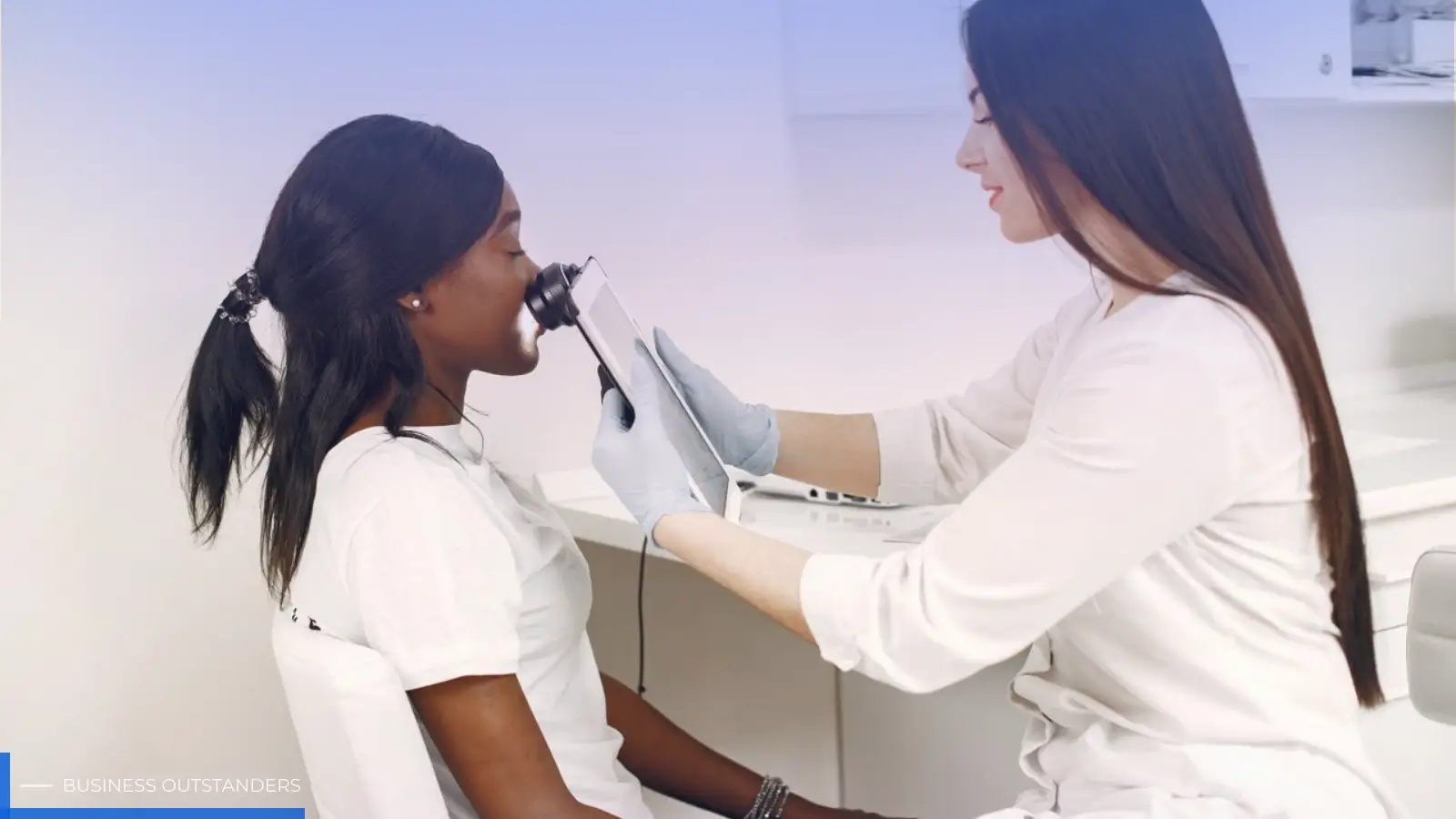
Wearing medical uniforms correctly goes beyond simply putting on scrubs. Choosing the right women’s premium medical scrubs ensures a balance of comfort, functionality, and professionalism while maintaining hygiene standards. Whether you're a nurse, doctor, medical assistant, or healthcare worker, understanding how to properly wear and style your medical uniforms can significantly impact your workday performance and patient interactions.
This comprehensive article will walk you through everything you need to know about wearing medical uniforms properly, from choosing the right fit to maintaining a professional appearance throughout your shift.
Understanding Medical Uniform Components
Medical uniforms consist of several essential pieces that work together to create a functional and professional look. The foundation typically includes scrub tops and medical uniforms that provide both comfort and mobility. Understanding each component helps you make informed decisions about your professional attire.
The standard medical uniform typically includes scrub tops, pants, lab coats, and appropriate footwear. Each piece serves a specific purpose in maintaining hygiene and professionalism while allowing you to perform your duties efficiently. Modern medical uniforms also incorporate technical fabrics that offer moisture-wicking, antimicrobial properties, and stretch for enhanced movement.
Choosing the Right Fit for Your Medical Uniforms
The fit of your medical uniforms directly affects your comfort and ability to perform your job effectively. Uniforms that are too tight restrict movement and can be uncomfortable during long shifts, while overly loose uniforms may look unprofessional and pose safety risks.
Sizing Considerations
When selecting your medical uniform size, consider these important factors. First, try on uniforms at the end of your day when your body may be slightly swollen from activity. Check the shoulder seams—they should sit at the edge of your shoulders, not droop down your arms. Scrub pants should rest comfortably at your natural waist without sliding down during movement.
Test your range of motion while wearing the uniform. Reach up, bend down, and twist your torso to ensure the fabric moves with you without pulling or restricting. The hemline of your scrub top should hit at mid-hip or slightly below, providing adequate coverage when you bend or reach.
Body Type and Style Selection
Different body types benefit from different uniform styles. Petite healthcare workers often look best in fitted styles with shorter inseams to avoid excess fabric bunching. Taller professionals should look for tall sizes or brands that offer extended lengths. Athletic builds typically suit tapered or fitted styles, while those preferring more coverage might choose classic fit options.
Proper Layering Techniques
Layering is essential for adapting to varying temperatures in healthcare environments. Hospital and clinic temperatures can fluctuate significantly throughout the day, making proper layering a practical necessity.
Start with a moisture-wicking base layer if your facility allows it. This helps regulate body temperature during busy shifts. Your scrub top serves as the primary layer, while a lab coat or scrub jacket provides additional warmth when needed. Choose lightweight, breathable fabrics for underlayers to prevent overheating.
Keep your layering professional by ensuring underlayers are clean, neutral in color, and appropriate for the healthcare setting. Avoid bulky sweaters or casual hoodies that can interfere with patient care or appear unprofessional.
Maintaining a Professional Appearance
Your appearance in medical uniforms reflects your professionalism and attention to detail. Patients and colleagues form first impressions based on how you present yourself, making it crucial to maintain high standards throughout your shift.
Cleanliness and Hygiene Standards
Always wear freshly laundered uniforms for each shift. Medical environments demand the highest hygiene standards, and wearing clean uniforms is non-negotiable. Inspect your uniforms before each shift for stains, tears, or signs of wear. Even small imperfections can impact your professional image.
Wash your medical uniforms separately from regular laundry using hot water and appropriate detergents. This helps eliminate potential pathogens and maintains the fabric's integrity. Avoid using excessive fabric softener, which can reduce the effectiveness of moisture-wicking properties in technical fabrics.
Proper Fit and Presentation
Ensure your uniform is properly pressed or wrinkle-free. While scrubs are designed to be low-maintenance, taking a few moments to remove major wrinkles demonstrates professionalism. Tuck in any tags or labels that might show, and make sure all buttons or snaps are fastened correctly.
Color Coordination and Facility Guidelines
Many healthcare facilities use color-coded uniforms to help patients and staff quickly identify different roles. Understanding and adhering to these guidelines is essential for proper uniform wear.
Always verify your facility's specific color requirements before purchasing new uniforms. Common color conventions include navy or royal blue for nurses, white for doctors, and various colors for different departments. However, these can vary significantly between facilities.
If your facility allows personal choice in uniform colors, consider professional shades that project competence and cleanliness. Darker colors like navy, teal, and burgundy hide stains better throughout long shifts, while lighter colors can appear fresher but require more frequent changing.
Essential Accessories and Footwear
The accessories you choose to wear with your medical uniforms should enhance functionality while maintaining professionalism. Footwear deserves special attention, as you'll spend most of your shift on your feet.
Select closed-toe, slip-resistant shoes with adequate arch support. Your footwear should be easy to clean and appropriate for healthcare settings. Many professionals prefer compression socks to improve circulation during long shifts. Keep jewelry minimal and functional—a simple watch and stud earrings are typically appropriate, while dangling jewelry can pose infection control risks.
Consider practical accessories like badge holders, pen lights, and small notepads that attach securely to your uniform. Quality
MISEMIYA offers a range of medical uniform accessories designed to complement your professional attire while adding functionality to your workday.
Seasonal Considerations for Medical Uniforms
Adapting your medical uniform approach to different seasons helps maintain comfort throughout the year. While indoor healthcare environments are typically climate-controlled, commuting and breaks outside require seasonal adjustments.
During warmer months, opt for lightweight, breathable fabrics that help regulate body temperature. Short-sleeve scrub tops provide better ventilation while remaining professional. In colder weather, add a scrub jacket or long-sleeve undershirt for warmth during your commute, removing layers as needed once inside.
Keep an extra uniform at work for unexpected spills or temperature changes. This preparedness ensures you can maintain professional standards regardless of circumstances.
Common Mistakes to Avoid When Wearing Medical Uniforms
Even experienced healthcare professionals sometimes make mistakes with their medical uniforms. Avoiding these common errors helps you maintain professionalism and comfort throughout your career.
- Wearing uniforms that are too large or small, compromising both appearance and function
- Neglecting to check for stains or damage before shifts
- Ignoring facility-specific color and style guidelines
- Wearing inappropriate footwear that doesn't provide adequate support or safety
- Over-accessorizing with jewelry or personal items that could pose infection risks
- Failing to maintain proper hygiene standards with uniform care
- Wearing wrinkled or poorly maintained uniforms
Care and Maintenance of Medical Uniforms
Proper care extends the life of your medical uniforms while maintaining their professional appearance. Following best practices for uniform maintenance protects your investment and ensures you always look your best.
Wash medical uniforms in hot water with a quality detergent designed for healthcare settings. Pre-treat any stains immediately after your shift to prevent them from setting. Turn uniforms inside out before washing to preserve color and reduce fabric pilling.
Dry uniforms on medium heat or line dry if fabric care instructions recommend it. Remove uniforms from the dryer promptly to minimize wrinkles. Inspect uniforms regularly for signs of wear such as fading, thinning fabric, or stretched-out areas. Replace worn uniforms before they become unprofessional in appearance.
Store clean uniforms properly, hanging them if space allows or folding them neatly. Keep at least three to four complete uniform sets in rotation to reduce wear on individual pieces and ensure you always have clean options available.
Frequently Asked Questions About Medical Uniforms
How many medical uniforms should I own?
Healthcare professionals should own at least three to five complete uniform sets. This allows for regular rotation while some are being laundered and provides backup options for unexpected spills or accidents during shifts.
Can I wear printed or patterned medical uniforms?
This depends entirely on your facility's dress code. Some healthcare settings welcome prints and patterns, especially in pediatrics, while others require solid colors only. Always check your employer's specific uniform policy before purchasing patterned scrubs.
How should I store my medical uniforms between shifts?
Store clean uniforms in a designated area away from your regular clothes. Many healthcare workers keep work uniforms separate to maintain clear boundaries. Hang or fold them neatly in a clean space, and never leave used uniforms in your car or mixed with regular laundry.
Final Thoughts
Wearing medical uniforms properly combines practical considerations with professional presentation. By choosing the right fit, maintaining cleanliness, following facility guidelines, and caring for your uniforms properly, you project competence and confidence in your healthcare role.
Remember that your uniform is more than just clothing—it's an essential tool that supports your work while contributing to patient trust and comfort. Invest in quality pieces, maintain them well, and wear them with pride as you serve your patients and community.
Whether you're just starting your healthcare career or looking to refresh your professional wardrobe, understanding how to properly wear and maintain medical uniforms will serve you well throughout your career. Take time to find what works best for your body type, work environment, and personal preferences, and you'll enjoy greater comfort and confidence every day.
Business Outstanders brings you sharp insights on tech, business, entrepreneurship, law, crypto, and more. We uncover what’s next. Stay updated, sign up for our newsletter and be part of the future!