The tokenization of real-world assets (RWAs) is rapidly transforming digital capital markets by unlocking liquidity for traditionally illiquid asset classes. However, bringing off-chain assets, such as trade receivables or solar project cash flows, onto a blockchain requires more than just innovative technology. Sponsors and asset originators face significant hurdles in verifying assets, mapping repayment logic, and organizing compliance materials before they can successfully access tokenized capital pathways.
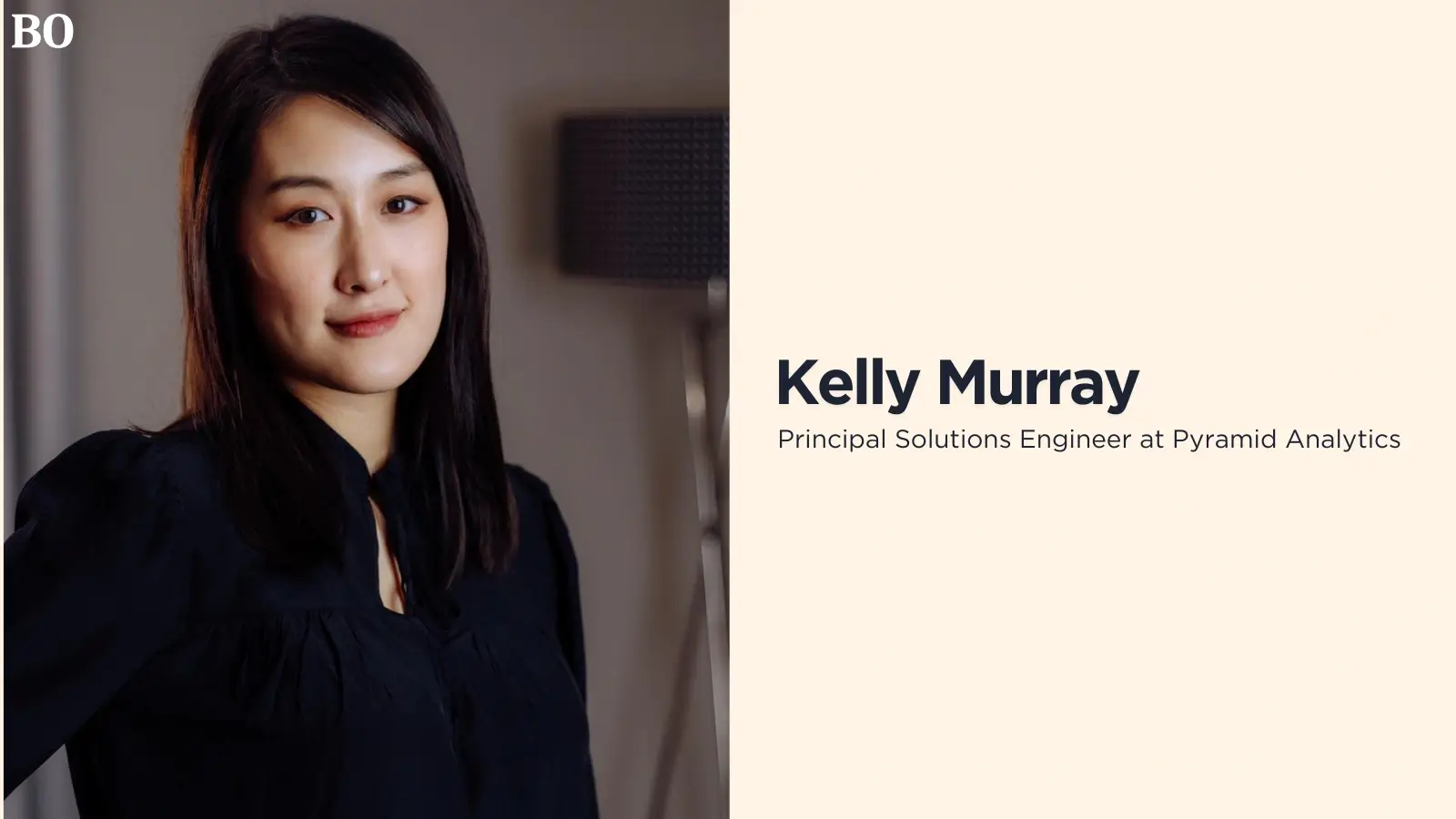
To solve this problem, Financely launched its Real-World Asset Tokenization Readiness Desk, designed to help transaction owners prepare the rigorous commercial, financial, and legal documentation required by modern capital providers. Mei Chen, who handles Media Relations for Financely, discussed how the firm bridges the gap between traditional finance requirements and digital asset tokenization, as well as what sponsors must know before going to market.
Common Documentation and Compliance Gaps
According to Chen, the most common gap is that sponsors frequently come to market with an asset story rather than an underwritable transaction file. While they may possess invoices, contracts, projected cash flows, or project materials, these documents are often fragmented, incomplete, or unsupported by clear repayment mechanics.
For trade receivables, Financely looks for specific evidence regarding:
- The underlying commercial transaction and counterparty standing
- Delivery status and title transfer
- Payment instrument terms and obligor risk
- Insurance, inspection protocols, and the collection waterfall
For project cash flows, the firm evaluates permits, offtake, Engineering, Procurement, and Construction (EPC) visibility, land rights, interconnection, revenue assumptions, debt service capacity, and gap funding requirements.
Furthermore, compliance gaps usually appear around Know Your Customer (KYC), Know Your Transaction (KYT), sanctions screening, beneficial ownership, source of funds, legal enforceability, and asset eligibility. Tokenized capital providers still need to understand exactly what the asset is, who owes the money, how repayment happens, what occurs in the event of a default, and whether the transaction can survive legal and operational diligence.
Converting Fragmented Trade Finance Paperwork
Financely’s Real-World Asset Tokenization Readiness Desk places a strong emphasis on trade finance transactions. Chen explained that the team converts highly fragmented commercial paperwork, such as letters of credit and warehouse receipts, into clean, assessable transaction files by first reconstructing the entire trade flow from contract to repayment.
This process involves identifying the buyer, seller, obligor, commodity or goods, delivery terms, inspection points, payment instrument, collateral location, title documents, insurance, and the repayment waterfall.
A letter of credit, warehouse receipt, bill of lading, inspection certificate, commercial invoice, or receivable schedule only holds value when it sits inside a coherent transaction structure.
Financely organizes these documents into a lender-style file that includes:
- A transaction summary and details on all involved parties
- An asset schedule and document checklist
- The collateral position and repayment logic
- A risk memo, compliance pack, and proposed funding mechanics
For tokenization platforms, the ultimate goal is to make the asset fully assessable before any digital structuring begins. This allows the platform to understand the receivable, the obligor, the contractual claim, the collateral controls, and the cash movement without having to chase missing documents across email threads.
Solar Project Finance Milestones
Solar project finance serves as another key area of focus for the firm. When helping sponsors secure gap funding through digital capital structures, Financely looks for milestones indicating that a project has moved beyond the conceptual stage. Key items include land control, permits, grid or interconnection status, offtake arrangements, EPC contractor visibility, equipment procurement status, the project budget, the financial model, the construction timeline, sponsor equity, and evidence of senior debt discussions where applicable.
Gap funding becomes significantly more credible when the capital requirement is tied to a defined milestone, such as:
- Completing development or funding deposits
- Reaching financial close
- Covering EPC mobilization
- Bridging equity ahead of a senior debt drawdown
Digital capital providers require clear visibility into where their capital sits in the stack and how repayment or exit is expected to occur. Financely also tests the underlying assumptions of the financial model, including tariff assumptions, Power Purchase Agreement (PPA) terms, Debt Service Coverage Ratio (DSCR), construction risk, curtailment risk, cost overruns, connection delays, and available security. A solar project featuring visible milestones, contractual revenue, and a clean capital stack maintains a much stronger path to market.
The Imperative of Traditional Underwriting Principles
Chen recently noted that tokenization still requires "disciplined finance work" regarding repayment logic and collateral clarity. She elaborated that while blockchain can improve distribution, recordkeeping, settlement mechanics, and investor access, the underlying credit question remains identical to traditional finance: who pays, from what source, under which contract, and with what protection if the expected payment does not arrive?
Ultimately, a tokenized receivable still depends entirely on the obligor’s ability and willingness to pay. Similarly, a tokenized solar cash flow depends on construction progress, offtake, operating performance, and contractual enforceability, just as a tokenized commodity transaction depends on title, delivery, inspection, payment instruments, and collateral controls. Traditional underwriting principles remain critical because capital providers continue to take exposure to cash flow, counterparty risk, operational risk, legal risk, and fraud risk. Though the format may be digital, the asset and the required discipline remain physical and real.
The Advisory and Network-Driven Model
Rather than acting as a direct lender or token issuer, Financely operates through a broad network of structured finance professionals and compliance providers. Chen stated that this advisory and network-driven model benefits asset originators during transaction preparation by giving them access to preparation services without forcing them into a single funding product too early. Financely focuses purely on making the asset financeable, packaging the transaction, identifying documentation gaps, and preparing the file for the correct capital pathway.
This distinction is crucial because different transactions require different types of expertise:
- Trade Receivables: May require documentary credit review, obligor analysis, insurance review, and collection account structuring.
- Solar Projects: May require project finance modeling, EPC review, offtake analysis, and capital stack planning.
- Tokenization Pathways: May require securities counsel, platform eligibility review, custodian input, and investor-facing documentation.
By addressing these needs, Financely helps sponsors reduce friction before they approach platforms, private credit funds, family offices, or other capital providers, effectively preparing the deal so the market can make an informed credit decision.
The Evolution of Tokenized Asset Requirements
Looking ahead, Chen expects tokenized asset transactions to become more documentation-heavy rather than less. Capital providers, platforms, custodians, and regulators will continuously demand clearer evidence of asset ownership, investor eligibility, repayment rights, servicing mechanics, disclosures, risk factors, and compliance controls.
Operational standards are also poised to rise. Originators will require higher-quality data rooms, cleaner asset schedules, stronger KYC and KYT records, clearer cash flow mapping, independent verification where appropriate, and transaction documents that can be readily reviewed by both traditional finance professionals and digital asset platforms.
Financely is continuing to build its Readiness Desk around this operational reality. The firm’s core focus is to help borrowers and asset originators prepare bankable, platform-ready transaction files before they ever approach capital. The sponsors who stand to benefit the most from tokenization are those who treat it as a serious capital markets process, implementing proper underwriting, documentation, compliance, and execution discipline from the very beginning.
Conclusion
This analysis highlights a fundamental truth about the evolving digital economy: blockchain technology cannot replace the need for disciplined financial fundamentals. Whether dealing with complex trade finance paperwork or solar project funding gaps, originators must prioritize collateral clarity, legal enforceability, and robust documentation. Preparing a verified, financeable transaction file remains the critical first step before engaging with tokenization platforms or private credit investors.
As the demand for real-world asset tokenization continues to accelerate, the intersection of traditional underwriting and digital capital will only grow in importance. Financely’s proactive approach to deal packaging and transaction readiness ensures that asset sponsors are fully equipped to navigate this rigorous landscape. By bridging the gap between off-chain assets and on-chain capital, Financely sets a reliable standard for tokenization preparation.
To learn more, visit https://www.financely-group.com/
Business Outstanders brings you sharp insights on tech, business, entrepreneurship, law, crypto, and more. We uncover what’s next. Stay updated, sign up for our newsletter and be part of the future!