Key Takeaways
- RWA tokenization turns physical assets like real estate and bonds into blockchain-based tokens, enabling fractional ownership and increasing liquidity.
- As of May 2026, the distributed on-chain RWA value is approximately $30.96 billion, while represented asset value is roughly $350.1 billion, supported by protocols such as Ondo Finance and Centrifuge.
- This technology connects traditional finance (TradFi) and decentralized finance (DeFi) by allowing 24/7 trading, reducing costs, and providing global access without intermediaries.
- New regulations, including the EU's MiCA framework and recent US SEC and DTCC pilot developments, are supporting broader adoption in 2026.
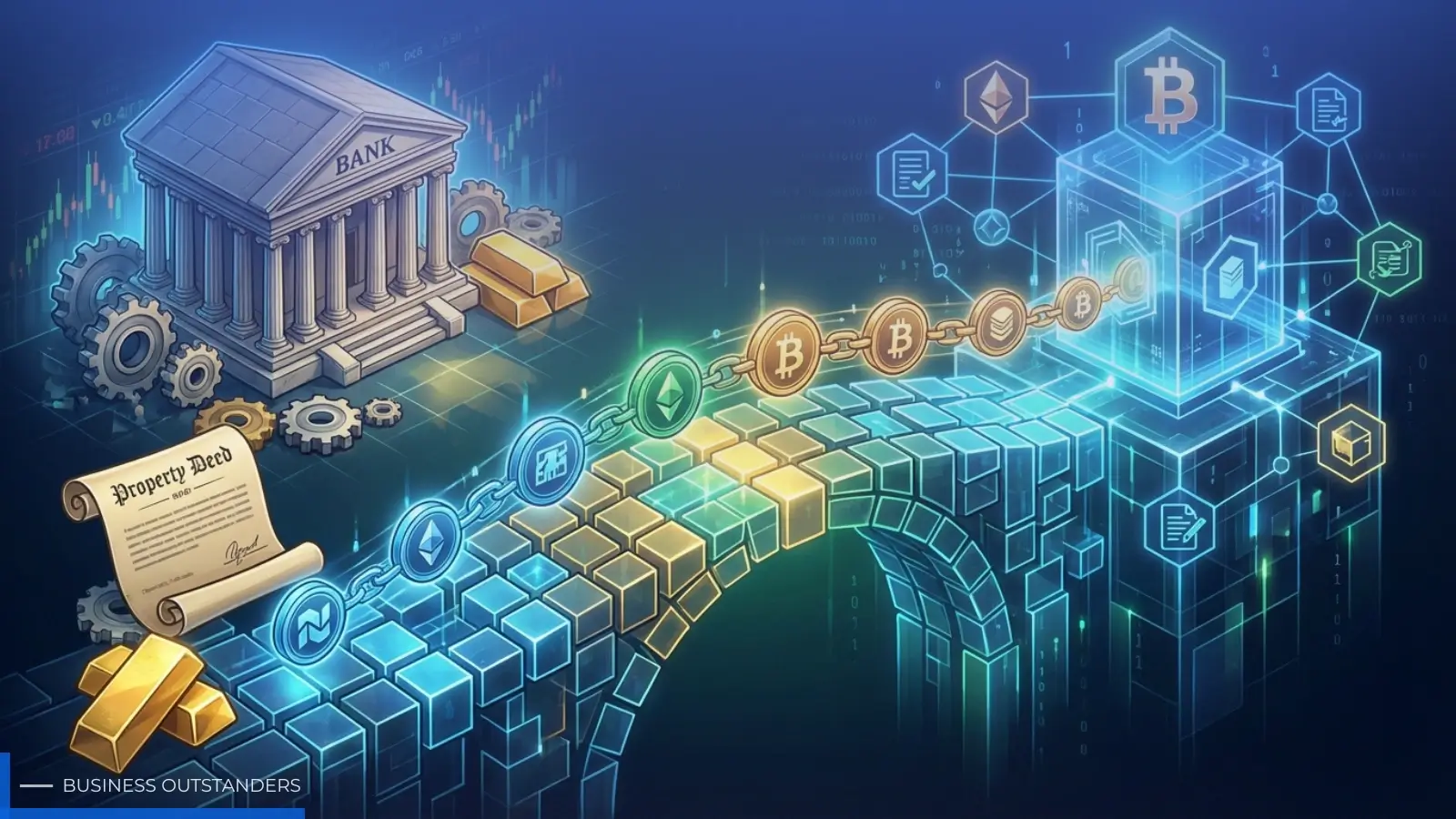
Real-world asset (RWA) tokenization is the process of representing everyday physical and financial assets as digital tokens on a blockchain network. This approach combines the established structures of traditional finance (TradFi) with the efficiency of decentralized finance (DeFi). As of May 2026, data from RWA.xyz indicates that the distributed on-chain value of the RWA sector has surpassed $30 billion. This technology is reshaping how individuals and institutions approach investment.
What is Real-World Asset (RWA) Tokenization?
RWA tokenization involves converting tangible assets, such as real estate, artwork, or government bonds, into blockchain-based tokens. Each token represents a proportional share of the underlying asset, which can then be traded digitally. The process begins by verifying the asset off-chain, such as confirming a property title. Afterward, smart contracts issue the tokens on networks like Ethereum. These tokens generally use specific standards, such as ERC-20 for interchangeable shares (like bonds) or ERC-721 for unique assets (like specific art pieces). This method removes many traditional banking delays, allowing users to interact with assets directly through digital wallets.
How RWA Tokenization Works on Blockchain
The process generally follows a standard flow:
- Custody: Licensed custodians hold the physical asset securely.
- Token minting: Smart contracts generate digital tokens that are backed 1:1 by the physical asset.
- Oracles: Blockchain oracles supply real-time off-chain data, such as current property valuations, to the network.
Networks like Polygon are often used for these transactions because they maintain low network fees, typically under $0.01 per transfer.
Benefits of RWA Tokenization for Investors and Institutions
1. Unlocking Liquidity in Traditional Assets
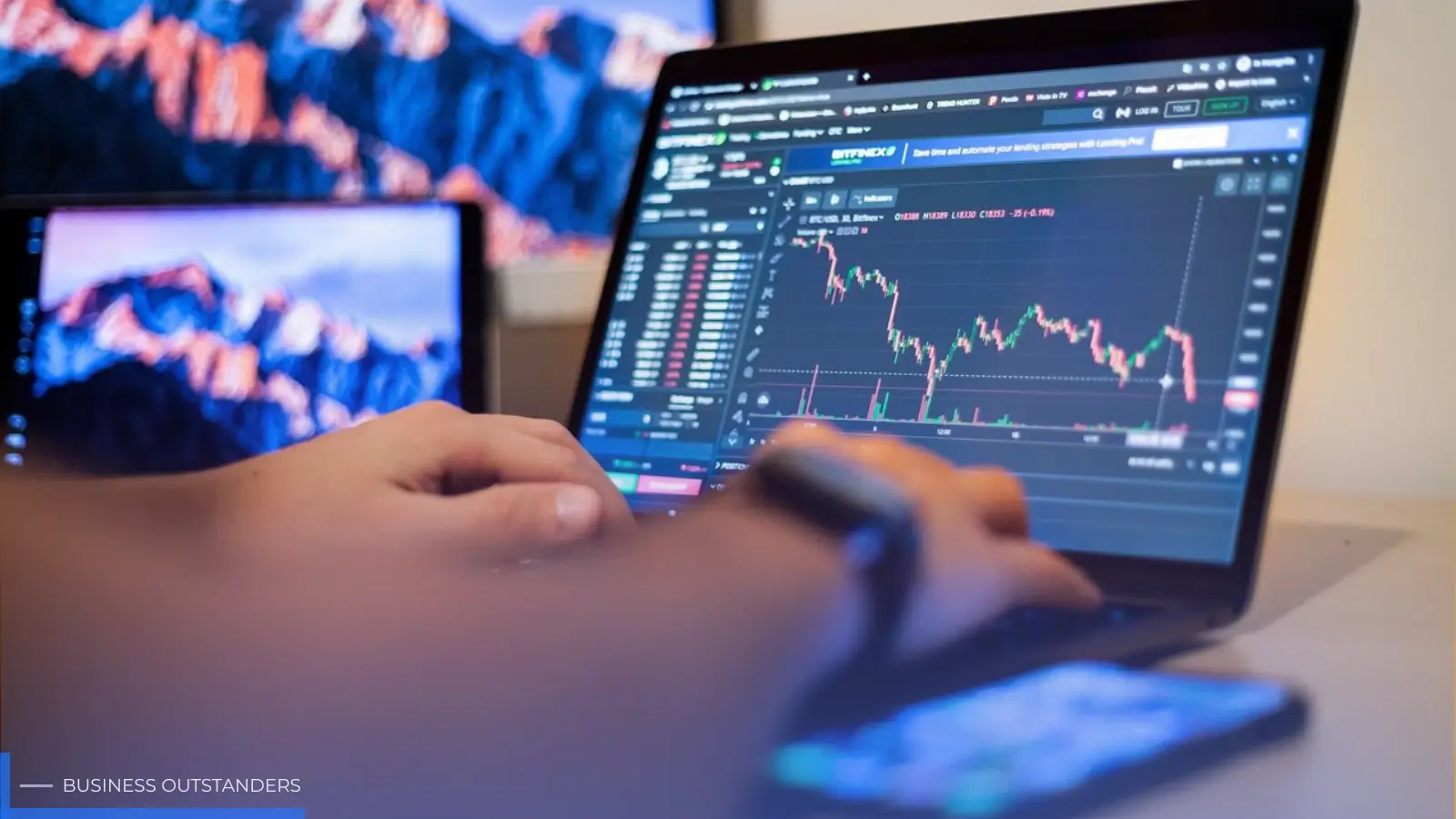
Turning illiquid assets into digital tokens makes them easier to buy and sell. Assets like private equity or large real estate often take months to sell in traditional markets. Tokenization allows these assets to be traded similarly to major cryptocurrencies. Just as traders use an ETH/USDT live chart to track real-time pricing and execute immediate trades, investors can now access a similar continuous, high-liquidity environment for tokenized real-world assets. This provides faster access to capital for asset owners and more flexible exit strategies for investors.
2. Fractional Ownership and Democratized Access
Fractional ownership lowers the financial barrier to entry for high-value investments.
Instead of needing the full purchase price of a property, an investor can buy a small fraction, such as a $5,000 share of a luxury home. Companies like RealT have tokenized hundreds of properties, allowing token holders to receive proportional rental yields, which historically average between 8% and 12% annually.
3. Cost Efficiency and Transparency
Blockchain automation reduces the need for costly third-party intermediaries.
Smart contracts automate the transfer of ownership and the distribution of yields, lowering management fees. Products tied to tokenized US Treasuries offer yields that often compete with or exceed standard bank rates.
|
Feature |
Traditional Finance |
RWA Tokenization |
|
Entry Cost |
High minimums |
Low minimums |
|
Trading Hours |
9-5 weekdays |
24/7 global access |
|
Fees |
1-2% annually |
<0.5% plus network gas fees |
|
Settlement |
T+2 days |
Instant |
4. Current State of the RWA Tokenization Market in 2026
The RWA sector has seen substantial capital inflows and market expansion this year.
According to RWA.xyz, as of mid-May 2026, the distributed on-chain value of the RWA sector has risen to over $30 billion, while tokenized U.S. Treasuries have grown to roughly $13.5 billion. This technology is altering how individuals and institutions approach investment.
5. Real-Time RWA Market Size and Growth Trends
Market reports highlight a steady upward trend in both institutional and retail adoption.
The rapid expansion of tokenized treasuries, surpassing $10 billion in early 2026, underscores the strong institutional demand for integrating traditional yields with blockchain infrastructure.
6. Leading RWA Tokenization Platforms and Projects
Several key platforms are building the infrastructure for the tokenized asset market.
Ondo Finance focuses on providing tokenized treasury yields for institutional clients. Centrifuge facilitates on-chain invoice financing and structured credit. MANTRA (OM) operates as a blockchain specifically designed to handle regulatory-compliant RWA transactions across different networks.
|
Platform |
Metric (May 2026) |
Key Feature |
|
Ondo |
~$3.86B (Distributed Asset Value) |
Treasury yields |
|
Centrifuge |
~$1.7B+ (Total Platform TVL) |
Structured credit |
|
RealT |
~$500M (Estimated) |
Real estate fractions |
Real-World Examples of Successful RWA Tokenization
Examining active projects provides a clearer picture of how this technology functions in practice.
Various companies have successfully launched tokenized products that generate consistent returns for users.
Tokenized Real Estate and Property Investments
Real estate was one of the first asset classes to successfully utilize tokenization.
RealT tokenizes rental properties in cities like Detroit. Investors purchase tokens representing shares of a property and receive a proportional amount of the rental income. Since 2020, average yields have remained stable.
Tokenized Treasuries and Fixed-Income RWAs
Government debt has become a highly popular asset for on-chain tokenization.
The BlackRock BUIDL fund, which holds tokenized US Treasuries, surpassed >$1 billion in market capitalization in May 2026. The primary advantage of this system is that transactions settle in minutes on the blockchain, compared to the multiple days required in traditional banking.
Commodities and Alternative Assets
Physical commodities like precious metals are also being traded as digital tokens. Tokens such as PAXG represent physical gold. With the token price tracking the market value of gold, investors can gain direct exposure to the commodity market through crypto exchanges without needing to store physical bars. Similarly, the expanding digital commodity market allows users to seamlessly access assets like XAUUSDT, providing an efficient way to diversify portfolios while benefiting from continuous global trading.
Challenges and Risks in RWA Tokenization
Despite rapid growth, the RWA sector must overcome specific regulatory and technical hurdles to ensure long-term stability.
- Regulatory Hurdles in RWA Adoption: Clear legal frameworks are essential for widespread use. Global progress is underway: the EU's MiCA framework rolls out its full regulatory regime by the end of 2024. In the US, recent developments include the SEC's early 2026 guidance on tokenized securities and regulatory approvals for DTCC and Nasdaq pilot programs.
- Technical and Security Concerns: Protecting digital assets from cyber threats is critical. Developers rely on technologies like multi-signature wallets and decentralized oracles, such as Chainlink, to secure funds and maintain the strong safety records of leading protocols.
- Market Volatility and Adoption Barriers: Fragmented blockchain networks create friction for new users. To solve this, developers are implementing cross-chain messaging protocols like LayerZero, which allow tokens to transfer securely and easily across different ecosystems.
The Future of RWA Tokenization: Bridging TradFi and Blockchain
Analysts expect tokenized assets to capture a larger share of the global financial market over the next decade.
Market projections suggest significant growth as technology and regulations mature.
- Regulatory Developments Shaping RWA Tokenization: Future laws will likely dictate the speed at which traditional institutions adopt blockchain tools. The combination of established frameworks like MiCA and regulatory sandboxes allows financial institutions to launch products with more legal certainty.
- Technological Advancements and Scalability: High-performance blockchains are required to handle global financial trading volumes. Networks with high transaction throughput, such as Solana, which can process thousands of transactions per second, provide the infrastructure needed for mass market adoption.
- Price Predictions and Market Projections: Financial analysts forecast substantial capital entering the tokenization sector. Consulting firm BCG and digital exchange ADDX project the RWA market could reach a $16 trillion valuation by 2030, an estimate widely cited by traditional investment firms.
Conclusion
RWA tokenization represents a practical integration of blockchain technology and traditional finance.
By converting physical assets into digital tokens, the market provides greater liquidity, lower costs, and broader access. With a distributed on-chain value of over $30 billion and active institutional participation, the sector is establishing a new standard for global investment infrastructure.
Frequently Asked Questions (FAQ)
What is RWA tokenization in simple terms?
It is the process of converting physical assets, such as real estate or government bonds, into digital blockchain tokens to make them easier to buy, sell, and trade.
Which are the top RWA tokens to watch in 2026?
Prominent tokens in the sector currently include ONDO, CFG, OM, and POLYX. These are available on various major cryptocurrency exchanges.
Is RWA tokenization safe and regulated?
The industry is increasingly regulated, operating under frameworks like the EU's MiCA. Platforms also utilize audited smart contracts to maintain security and compliance.
How do I invest in RWA tokenization projects?
Investors typically need a digital wallet and access to a cryptocurrency exchange to purchase RWA-related tokens or fractional shares of tokenized assets.
What is the future growth potential of the RWA market?
Industry estimates, such as those from BCG and ADDX, project that the sector could reach a valuation of $16 trillion by 2030 as more traditional assets are moved onto blockchain networks.
Business Outstanders brings you sharp insights on tech, business, entrepreneurship, law, crypto, and more. We uncover what’s next. Stay updated, sign up for our newsletter and be part of the future!