Gold has long been a trusted store of value, but digital innovation is transforming how investors access and evaluate it. Blockchain technology enables real-world assets to be represented transparently and traded globally, reducing barriers that once limited participation. Within this shift, a gold mining-backed token links verified mining operations to digital ownership, allowing value to be derived from active production rather than passive metal storage.
This model reflects a broader move toward tokenizing productive assets, where returns are tied to operational performance and efficiency. By combining mining economics with blockchain records, platforms such as AYNI help investors understand how value is generated, tracked, and exchanged in a more open financial environment.
Foundations of Token Creation
The process begins with linking verified mining assets to digital representations. It then relies on blockchain to record ownership, performance, and value transparently:
-
mining asset verification — independent audits confirm the existence, scale, and output potential of gold mining operations that will support the token’s value;
-
tokenization framework — legal and technical structures define how mining rights or revenues are converted into digital tokens;
-
blockchain registration — tokens are issued on a blockchain, ensuring immutable records of supply, ownership, and transfers;
-
production metrics — expected and actual gold output data is integrated to align token value with mining performance;
-
revenue allocation model — clear rules determine how extraction profits are distributed to token holders;
-
security and custody — smart contracts and secure wallets protect investor holdings and automate compliance.
Together, these elements ensure that tokens are backed by measurable activity rather than speculation. This structure distinguishes mining-backed models from tokens tied only to stored gold.
How Value Is Determined
Valuation starts with the economic fundamentals of the mining project. Factors such as ore grade, extraction costs, and operational efficiency directly affect projected returns. Unlike spot gold prices alone, these variables introduce a growth component linked to production success. Market pricing also reflects transparency and trust. Platforms like AYNI emphasize this openness to reduce information asymmetry common in traditional mining investments.
Finally, token liquidity influences value. Because tokens can be traded more easily than direct mining stakes, market demand plays a role. Higher liquidity often leads to tighter pricing and more efficient valuation over time.
Why Mining-Backed Tokens Matter
Gold mining-backed tokens broaden access to an asset class once limited to large investors. Smaller participants can gain exposure to gold extraction without managing physical operations or complex contracts. This democratization supports wider participation in resource-based investments.
They also align incentives between miners and investors. Since returns depend on production performance, operators are encouraged to maintain efficiency and transparency. Blockchain records make underperformance visible, reinforcing accountability.
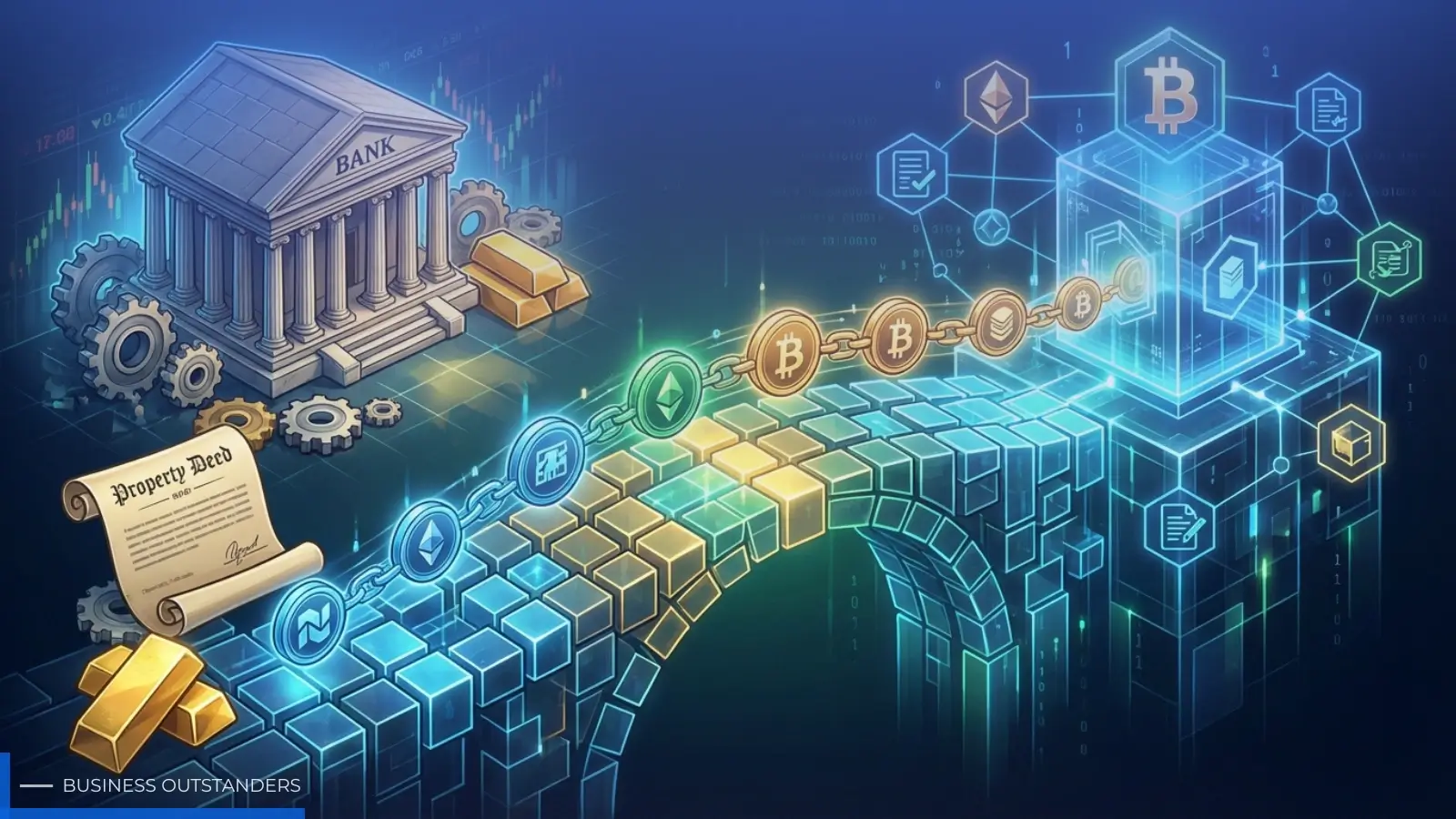
By merging tangible resources and product operations with digital infrastructure, projects like AYNI demonstrate how blockchain can unlock value while maintaining a clear link to physical economic activity. The combination of regulation and transparency helps position mining-backed tokens as a credible bridge between traditional resource markets and digital finance.
Business Outstanders brings you sharp insights on tech, business, entrepreneurship, law, crypto, and more. We uncover what’s next. Stay updated, sign up for our newsletter and be part of the future!