The Importance of Trailer Storage
Trailer storage is an essential consideration for both personal and commercial trailer owners. Whether you own a utility trailer, RV, flatbed, or cargo trailer, proper storage ensures that your equipment remains safe, secure, and in optimal condition. Exposure to harsh weather, theft, and accidental damage can significantly reduce the lifespan of a trailer. By investing in professional trailer storage or adopting best practices for at-home storage, owners protect their investment, maintain functionality, and avoid costly repairs. Proper trailer storage not only preserves the physical integrity of your trailer but also provides peace of mind knowing it is safely stored when not in use.
Types of Trailer Storage Options
Trailer storage comes in several forms, depending on the owner’s needs, budget, and available space. Open storage involves keeping the trailer outdoors, often in a driveway or designated lot, typically secured with locks or chains. Covered storage provides a roof or shelter to protect the trailer from rain, snow, and sun damage, helping preserve tires, paint, and metal components. Fully enclosed storage units or garages offer the highest level of protection, shielding trailers from the elements, pests, and theft. Commercial storage facilities often provide additional security features such as gated access, surveillance cameras, and on-site staff, making them an attractive option for businesses with multiple trailers.
Benefits of Professional Trailer Storage
Using professional trailer storage facilities offers numerous advantages. These facilities are designed to accommodate trailers of various sizes and types, providing secure, organized, and accessible spaces. Many facilities include features such as wide driveways for easy maneuvering, lighting for visibility, and climate-controlled units for sensitive cargo trailers. Professional trailer storage reduces the risk of theft or vandalism, as most facilities employ security measures like surveillance cameras, gated access, and 24-hour monitoring. For commercial operators, professional storage also ensures compliance with zoning regulations and provides a reliable solution for fleet management.
Preparing Your Trailer for Storage
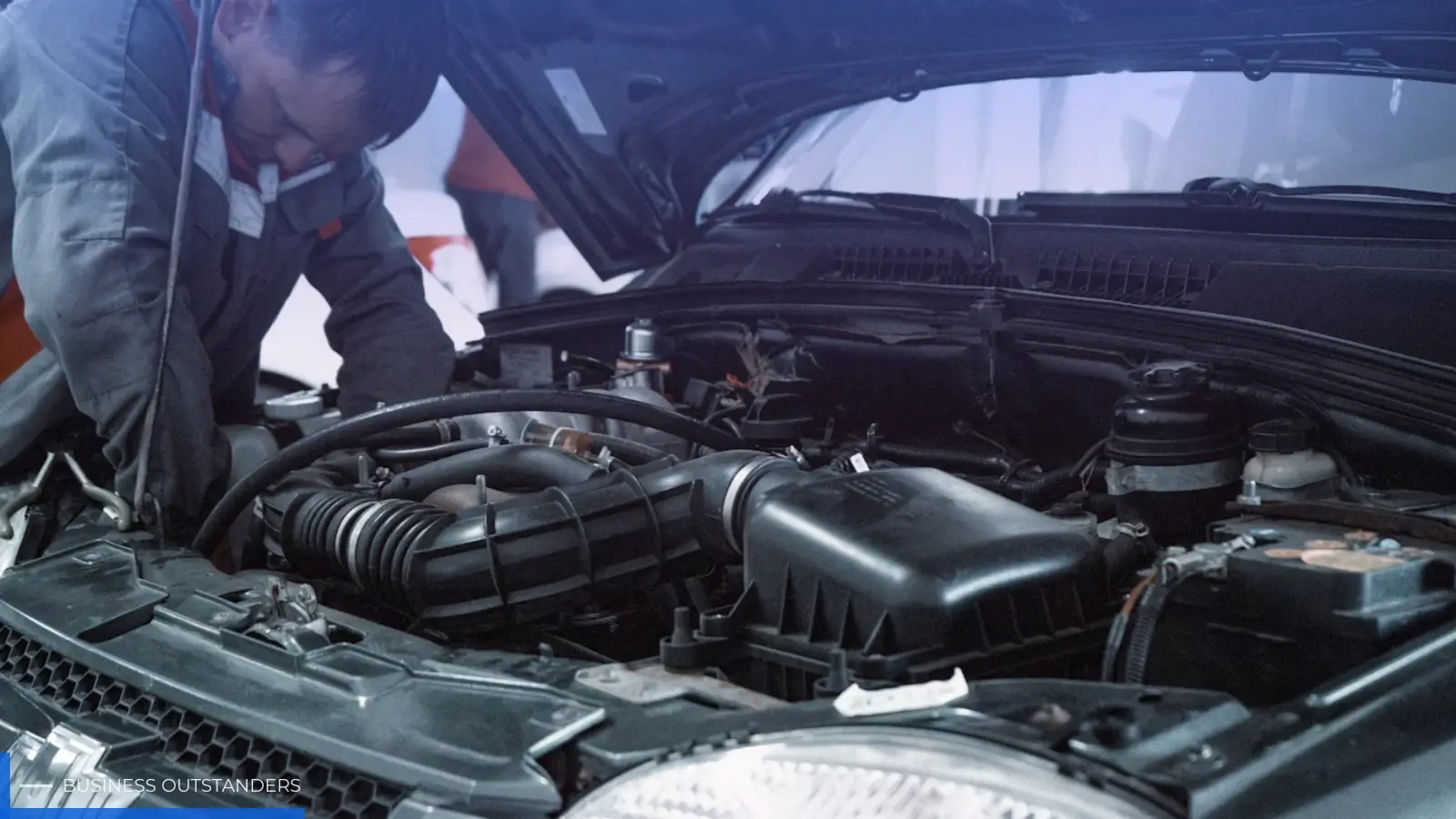
Proper preparation is key to maximizing the benefits of trailer storage. Before storing a trailer, it should be thoroughly cleaned inside and out to remove dirt, debris, and corrosive residues. Inspect tires, brakes, lights, and the hitch for wear or damage, and perform necessary maintenance to prevent issues during storage. Lubricating moving parts, checking fluid levels for utility or RV trailers, and disconnecting batteries or propane tanks ensures safety and prevents deterioration. Covering the trailer with a weather-resistant tarp or investing in a fitted cover can further protect it from environmental damage, making preparation a critical step in effective trailer storage.
Security Measures for Trailer Storage
Security is a major concern when storing trailers, especially in outdoor or shared facilities. High-quality locks, wheel clamps, and hitch locks are essential for deterring theft. For commercial or long-term storage, facilities often provide gated access, perimeter fencing, and video surveillance to safeguard trailers. Regular inspection of security features and situational awareness of the storage environment further protects your investment. Taking these precautions ensures that your trailer remains safe and ready for use whenever needed.
Choosing the Right Location for Trailer Storage
Selecting the right location is crucial for effective trailer storage. Factors to consider include accessibility, convenience, security, and environmental protection. Owners should prioritize locations that are easy to reach and navigate, especially for large or heavy trailers. Areas prone to flooding, high winds, or extreme weather may not be ideal for long-term storage, and additional protective measures may be required. Urban areas may require professional storage facilities due to limited space, while rural or suburban settings may allow for at-home storage with proper security. Location choice directly impacts convenience, safety, and the condition of the trailer over time.
Maintenance During Storage
Even when a trailer is not in active use, maintenance is critical to prevent deterioration. Regularly inspecting tires for pressure and signs of cracking, checking for rust or corrosion, and ensuring that moving parts are lubricated helps maintain readiness. For RVs and enclosed trailers, interior ventilation prevents mold and mildew growth. Seasonal checks are especially important for trailers stored outdoors, as exposure to rain, snow, or extreme temperatures can accelerate wear and damage. A maintenance plan tailored to the storage type and duration ensures that trailers remain in peak condition and reduces the likelihood of costly repairs.
Commercial Trailer Storage Considerations
For businesses with multiple trailers, proper storage management is critical. Commercial trailer storage facilities often provide fleet management services, including space optimization, access scheduling, and maintenance support. Businesses must consider insurance coverage, regulatory compliance, and security protocols when storing commercial trailers. Organized storage allows for efficient deployment of trailers, reduces operational downtime, and protects company assets. Investing in professional commercial trailer storage contributes to streamlined operations, asset longevity, and improved safety for employees and clients.
Environmental Protection and Trailer Storage
Environmental factors play a significant role in trailer storage. Trailers stored outdoors are exposed to sun, rain, snow, and temperature fluctuations, which can cause paint fading, metal corrosion, and tire degradation. Using covers, shelters, or climate-controlled facilities mitigates environmental damage. Additionally, proper drainage around storage areas prevents water pooling, which can accelerate rust and structural damage. Attention to environmental protection during storage ensures that trailers remain functional, attractive, and safe over extended periods.
DIY Trailer Storage Tips
For owners who prefer at-home storage, several strategies can enhance safety and preservation. Store trailers on level, solid ground to prevent uneven wear on tires and frames. Use wheel chocks to prevent accidental movement, and keep trailers away from overhanging trees or structures that could cause damage. Regularly inspect stored trailers and rotate tires periodically to maintain even pressure. Using quality covers, tarps, or portable shelters provides additional protection from environmental exposure. By implementing these DIY strategies, owners can achieve effective trailer storage even without professional facilities.
Conclusion: Maximizing the Benefits of Trailer Storage
Trailer storage is an essential practice for preserving the value, functionality, and appearance of personal or commercial trailers. Choosing the right storage type whether outdoor, covered, or fully enclosed combined with proper preparation, maintenance, and security, ensures long-term protection. Professional trailer storage facilities provide added convenience, security, and accessibility, making them a worthwhile investment for high-value or commercial trailers. By prioritizing effective trailer storage, owners safeguard their investment, reduce maintenance costs, and maintain readiness for whenever the trailer is needed. Proper storage practices create peace of mind, maximize asset longevity, and allow trailers to serve their intended purpose efficiently and safely for years to come.
Business Outstanders brings you sharp insights on tech, business, entrepreneurship, law, crypto, and more. We uncover what’s next. Stay updated, sign up for our newsletter and be part of the future!