
The automotive industry is undergoing rapid transformation, and Ford is positioning itself at the forefront of these changes. From electric vehicles (EVs) to autonomous driving technologies and connected car ecosystems, the future of Ford cars is shaped by innovation, sustainability, and consumer demand. Auto experts closely monitor these trends and provide insights into how Ford is adapting to meet the challenges and opportunities of the coming decade. If you’re exploring new Ford models or planning a purchase at a Ford dealership in PA, understanding these expert perspectives can help you anticipate the next generation of vehicles, features, and driving experiences. This article explores the key trends and predictions that define the future of Ford cars according to industry specialists.
One of the most significant shifts in the automotive landscape is the move toward electric vehicles. Auto experts predict that Ford will continue expanding its EV lineup, focusing on sustainability without compromising performance. Vehicles like the Mustang Mach-E and the upcoming electric F-150 Lightning are examples of Ford’s commitment to combining innovation with familiar brand appeal.
Experts note that battery technology improvements will play a critical role in the future of Ford EVs. Higher energy density, faster charging, and longer lifespans are expected to make electric models more practical and appealing to mainstream consumers. Ford dealerships in PA are already promoting these vehicles, emphasizing the environmental benefits, lower operational costs, and cutting-edge technology that come with transitioning to electric.
Additionally, auto analysts foresee increased investment in charging infrastructure and home charging solutions, making it easier for Ford EV owners to enjoy long trips without range anxiety. As consumer acceptance grows, Ford is expected to continue refining its EV designs to meet a wider range of budgets, lifestyles, and driving needs.
The future of Ford cars is also closely tied to autonomous driving technology. Auto experts emphasize that advanced driver-assistance systems (ADAS) are evolving rapidly and that Ford is committed to integrating these innovations into its vehicles. Current models already feature features such as adaptive cruise control, lane-keeping assist, and automated emergency braking, which serve as precursors to fully autonomous systems.
Experts predict that future Ford vehicles will offer enhanced semi-autonomous capabilities, allowing drivers to delegate more control during highway driving, traffic jams, and parking maneuvers. These technologies aim to improve safety, reduce driver fatigue, and provide a more comfortable driving experience. Ford dealerships in PA often highlight these features to showcase the brand’s commitment to cutting-edge safety and convenience technology.
Furthermore, software updates and vehicle connectivity will enable Ford cars to learn from real-world driving conditions, enhancing system reliability and adaptability. Auto analysts believe that by combining AI with sensor networks, Ford vehicles will progressively approach higher levels of automation while maintaining driver confidence and control.
Connectivity is another key factor shaping the future of Ford vehicles. Experts foresee Ford cars evolving into fully integrated smart devices, offering seamless communication between drivers, vehicles, and the surrounding environment. Features like cloud-based navigation, over-the-air software updates, and integrated smartphone applications are already present in current models, but future iterations are expected to be more sophisticated.
Auto specialists predict that connected Ford vehicles will provide real-time traffic updates, predictive maintenance alerts, and personalized driving experiences based on user preferences. Additionally, vehicle-to-vehicle (V2V) and vehicle-to-infrastructure (V2I) communication technologies will enhance safety by enabling cars to anticipate hazards and coordinate with traffic systems.
Ford dealerships in PA are beginning to educate customers on these innovations, emphasizing how connected vehicles improve efficiency, convenience, and overall driving experience. Experts agree that this connectivity will redefine the relationship between drivers and their cars, transforming vehicles into smart, interactive companions rather than mere modes of transportation.
Sustainability is becoming a central consideration for automakers, and Ford is taking steps to align its vehicles with eco-conscious consumer expectations. Auto experts highlight that future Ford cars will emphasize materials recycling, energy-efficient manufacturing, and lower emissions. Beyond electric propulsion, hybrid powertrains and lightweight construction techniques are expected to remain key strategies for balancing performance with environmental responsibility.
Dealerships are highlighting vehicles with lower carbon footprints, improved fuel efficiency, and eco-friendly interior materials. This focus on sustainability aligns with global regulatory trends and consumer demand for greener vehicles. Analysts predict that Ford’s investment in renewable energy for production facilities, along with ongoing research into battery recycling, will further solidify the brand’s leadership in eco-friendly automotive solutions.
By prioritizing sustainability, Ford aims to appeal to environmentally conscious buyers while contributing to broader societal goals, such as reducing greenhouse gas emissions and promoting resource efficiency. This strategic direction is expected to shape design, manufacturing, and marketing decisions for years to come.
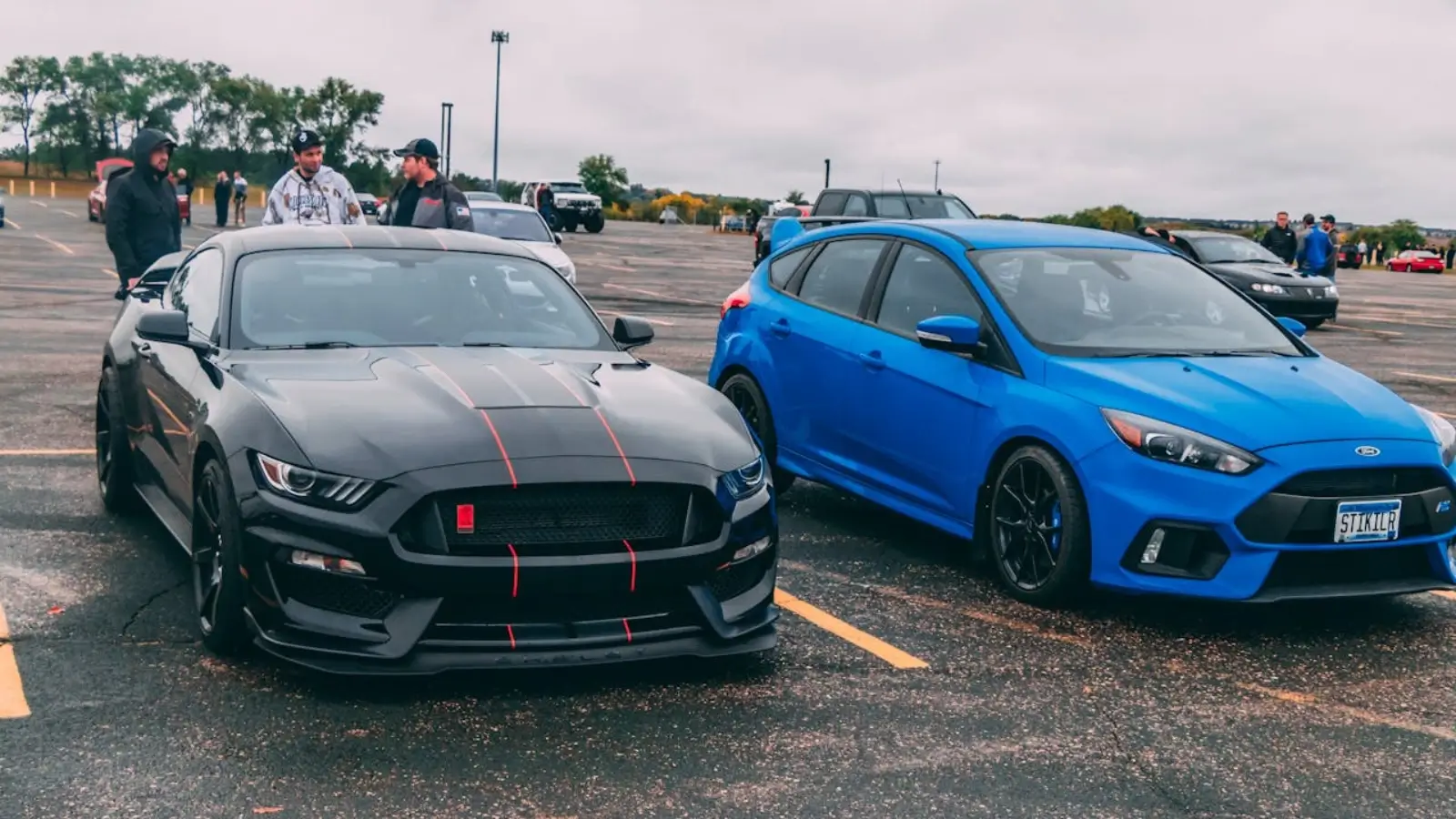
While technology and sustainability are key, experts note that Ford will continue to emphasize performance and versatility across its vehicle lineup. Models such as the Ford F-150 and Mustang illustrate the brand’s commitment to delivering power, reliability, and driving excitement. Future models are expected to balance advanced powertrains with efficiency, offering hybrid and fully electric performance options without sacrificing capability.
Auto analysts also foresee a rise in vehicle customization and personalization options. Ford dealerships in PA are likely to offer packages that allow buyers to choose interior finishes, wheel designs, exterior colors, and technology features tailored to their needs. This approach ensures that drivers can select vehicles that match both lifestyle preferences and functional requirements.
Performance upgrades may also extend to smart driving modes that optimize handling, efficiency, and traction depending on driving conditions. Experts predict that these features will be integrated with connectivity and AI systems, allowing vehicles to adapt dynamically to environmental factors and driver behavior.
Safety remains a top priority for Ford, and auto experts anticipate continued improvements in both active and passive safety systems. In addition to existing features like adaptive cruise control, automatic emergency braking, and blind-spot monitoring, future Ford vehicles may include AI-powered predictive safety systems capable of anticipating collisions before they occur.
Dealerships in PA often highlight the brand’s advanced safety features, emphasizing Ford’s commitment to protecting drivers, passengers, and pedestrians. Experts predict that future innovations will include enhanced sensor arrays, machine-learning algorithms, and real-time hazard detection, making Ford vehicles among the safest on the road. These systems will complement traditional safety measures, reinforcing the brand’s reputation for reliability and trustworthiness.
Auto experts emphasize that software will play an increasingly important role in the future of Ford vehicles. Over-the-air (OTA) updates allow automakers to deliver new features, safety enhancements, and performance optimizations without requiring a dealership visit. Ford is expected to expand its OTA capabilities, enabling vehicles to evolve over time and remain up-to-date with the latest innovations.
Dealerships in PA may focus on educating customers about the benefits of software updates, including improved vehicle functionality, bug fixes, and new technology adoption. Experts believe that vehicles will increasingly rely on integrated software ecosystems to maintain competitive advantages, improve user experience, and extend vehicle lifespan.
The future of Ford cars is defined by electrification, autonomous technology, connectivity, sustainability, and enhanced performance. Auto experts agree that the brand is strategically positioned to meet the evolving demands of modern drivers while maintaining its reputation for reliability and innovation. From advanced EVs and smart driver-assistance systems to personalized interiors and eco-friendly design, Ford vehicles are poised to deliver a next-generation driving experience.
Ford’s focus on technology, safety, sustainability, and performance ensures that the next generation of vehicles will be smarter, cleaner, and more adaptable than ever before. By staying informed and engaged with these innovations, drivers can make confident decisions and enjoy the benefits of a future-ready Ford car.