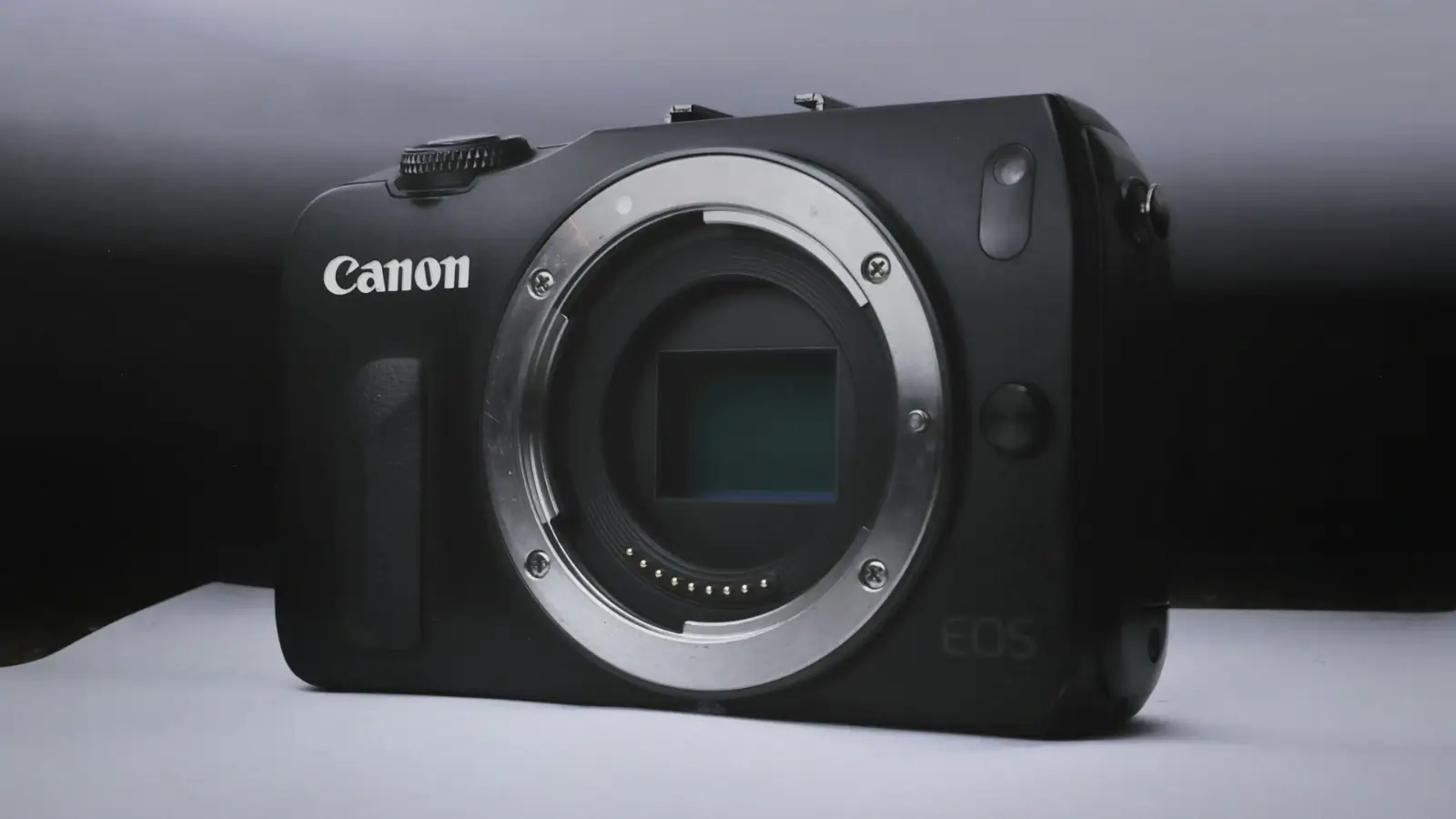
If you're looking to shop Canon mirrorless cameras online from Georges, understanding what sets these systems apart matters more than chasing specs alone. Canon's mirrorless lineup has evolved significantly since the EOS M series, and now the RF mount system offers serious performance for both hobbyists and working photographers. The shift from DSLRs isn't just about removing a mirror box. It's about faster autofocus, better video capabilities, and lighter bodies that don't compromise on image quality. I've noticed many buyers get overwhelmed by model names and feature lists, so let me break down what actually matters when you're comparing options.
Sensor Size and Its Real Impact
Canon offers two main sensor formats in their mirrorless cameras: APS-C and full-frame. The APS-C sensors, like what you'll find in the EOS R10 or R50, measure roughly 22.3 x 14.9mm. Full-frame sensors in models like the R6 Mark II or R5 are significantly larger at 36 x 24mm. This size difference affects more than just resolution numbers. Larger sensors typically handle low light better because each pixel can be bigger, collecting more photons. I shot some concert footage last year with both formats, and the full-frame body pulled usable images at ISO 6400 that looked cleaner than the APS-C at ISO 3200.
But honestly? For most daylight shooting or well-lit environments, the difference isn't dramatic enough to justify doubling your budget. APS-C cameras also give you extra reach with telephoto lenses due to the crop factor, which works great for wildlife or sports.
Autofocus Systems Worth Paying For
Canon's Dual Pixel CMOS AF technology is probably their strongest selling point right now. The newer models use Dual Pixel CMOS AF II, which covers nearly the entire frame with phase-detection points. What this means in practical terms is that the camera can track subjects across almost the whole sensor area, not just the center cluster.
The eye-tracking feature actually works reliably, even with subjects turned partially away or wearing glasses. I tested this photographing my nephew's soccer game, and the R7 locked onto his face even when he was 30 feet away and moving fast. Older DSLR systems would've hunted or grabbed the wrong player.
Animal detection is another feature that seems gimmicky until you use it. The camera recognizes dogs, cats, and birds, tracking their eyes or bodies automatically. For pet photography or backyard bird shooting, this eliminates a lot of manual focus frustration.
Video Capabilities and Overheating
If video matters to you at all, pay close attention to recording limits and thermal management. The EOS R5 got criticized early on for overheating during 8K recording, though firmware updates improved this. The R6 Mark II handles 4K recording much better, giving you longer continuous recording times without shutdowns.
Most Canon mirrorless cameras now shoot 4K at 60fps, which gives you nice slow-motion options in post. The 10-bit internal recording on higher-end models preserves more color information for grading, though it eats through SD cards quickly. I'd suggest getting fast UHS-II cards rated for V60 or higher if you plan on shooting video regularly.
Body Ergonomics and Build Quality
This is where personal preference really kicks in. Canon's entry-level mirrorless cameras like the R50 are compact and light, which is great for travel but can feel cramped if you have larger hands. The grip depth matters more than you'd think during long shooting sessions.
Weather sealing appears on mid-range and pro bodies, protecting against dust and moisture. If you shoot outdoors frequently or in unpredictable conditions, this feature pays for itself the first time you get caught in unexpected rain.
Business Outstanders brings you sharp insights on tech, business, entrepreneurship, law, crypto, and more. We uncover what’s next. Stay updated, sign up for our newsletter and be part of the future!