One in four women in the world’s wealthiest nations will experience domestic violence. It is a staggering statistic. Yet, the reality of what happens behind closed doors often remains hidden in shame.
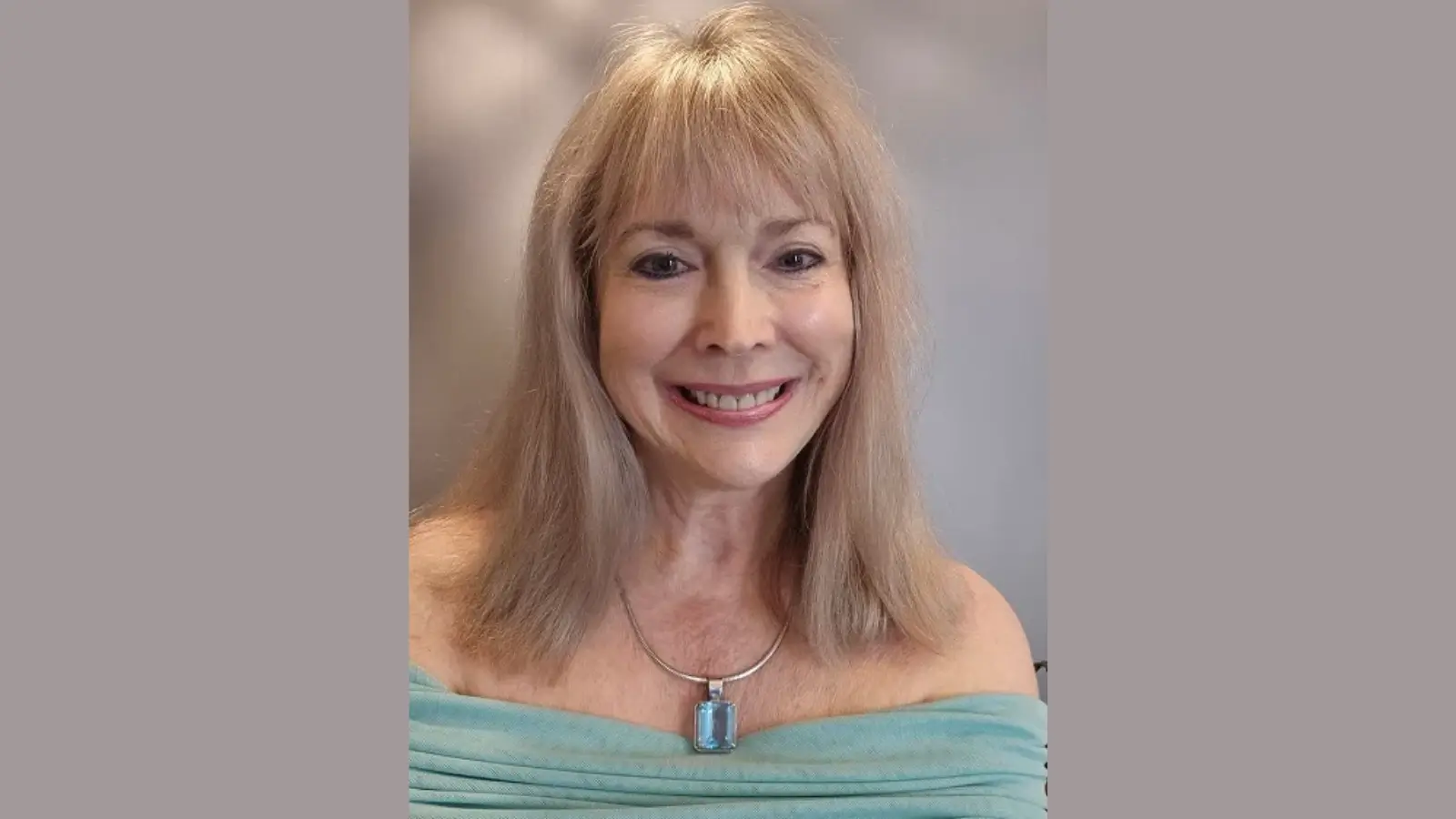
Patricia Gordon Stevens confronts this darkness in her new book, Madness in Memphis. As a licensed counselor and a survivor, Stevens understands the chilling complexity of coercion and control. Her story follows Morgan Sage, a successful mother who unwittingly invites a monster into her home.
We spoke with Patricia about the misconceptions surrounding abuse, the critical need for support systems, and the red flags you must never ignore.
The Reality Behind the Fiction
Stevens did not write Madness in Memphis solely based on imagination. She drew from decades of listening to women’s stories and her own harrowing past.
"This is a work of fiction loosely based on my life," Stevens explains. She was married to a man diagnosed with bipolar and a severe personality disorder. Her desire to understand these behaviors led her to pursue a master’s in counseling.
The statistics drove her to write. In Australia, the United States, and the United Kingdom, one in four women lives in a domestic violence situation. Stevens believes a nonfiction book full of data might be ignored. Fiction, however, forces the reader to live through the fear. It helps you understand why a woman cannot simply "just leave."
Abuse Does Not Discriminate
Many people hold a false stereotype about domestic violence. They believe victims are uneducated, poor, or working entry-level jobs. Stevens challenges this notion immediately.
Her protagonist, Morgan Sage, is a successful stockbroker. Stevens emphasizes that abuse impacts women across all racial groups, income brackets, and professions.
-
Financial status offers no protection. A high-earning woman is often an attractive target for a controlling partner.
-
Race and culture are irrelevant. If a man wants control, he will seek it regardless of the victim's background.
-
Professional power can be a trap. Successful women often feel deep shame about a failing relationship, making them less likely to ask for help.
"If a male is determined to control the female in his life, he will go to great lengths to do so," Stevens warns.
The Subtle Shift: From Charm to Cruelty
Abusers rarely show their true colors immediately. The transition from a loving partner to a tyrant is often a "subtle shift." It begins with a look, an attitude, or a slight change in demeanor.
Emotional manipulation creates a trap long before physical violence starts. The abuser makes the woman feel:
-
Inept and irresponsible.
-
At fault for his anger.
-
Convinced that if she changes, he will stop.
She begins to doubt her own capabilities. She tries harder to please him. But the complaints continue, and the violence escalates.
The Vital Role of a Support System
Isolation is an abuser’s greatest weapon. Stevens argues that a "circle of support" is the only way a woman can safely flee.
"If she goes it alone, the abuse will carry on," Stevens says. Abusers often care about their public reputation. They are less likely to act out if they know others are watching.
You can save a life by offering a safe haven. This could be a spare room, a second property, or just a safe space to breathe. Churches and community centers also play a vital role for those without family. The more people aware of the situation, the higher the chance for survival.
Spotting the Red Flags
Stevens offers clear advice for readers who suspect a friend, neighbor, or family member is suffering. You must remain curious and vigilant.
Watch for these warning signs:
-
Changes in appearance: A sudden shift in dress or demeanor.
-
Silencing: The partner answers for her or physically guides her (like touching her arm) to stop her from speaking.
-
Disappearance: You stop seeing or hearing from her as often as you used to.
"Be persistent," Stevens urges. "Go to their home. Knock on the door."
We must stop looking away. Abuse often starts in childhood, mirroring behavior learned at home. Breaking the cycle requires education, honest discourse, and the courage to intervene.
Explore the Book Dive deeper into this compelling story of survival.
-
Book: Madness in Memphis
-
Publisher: Hembury Books
-
Release Date: November 27, 2025
-
Website: www.patriciagordonstevens.com
-
Order Here: Amazon Link
Explore More Success Stories: Discover more inspiring entrepreneurial journeys, leadership lessons, and business success stories in the BusinessOutstanders.com Success Stories category.
Business Outstanders brings you sharp insights on tech, business, entrepreneurship, law, crypto, and more. We uncover what’s next. Stay updated, sign up for our newsletter and be part of the future!