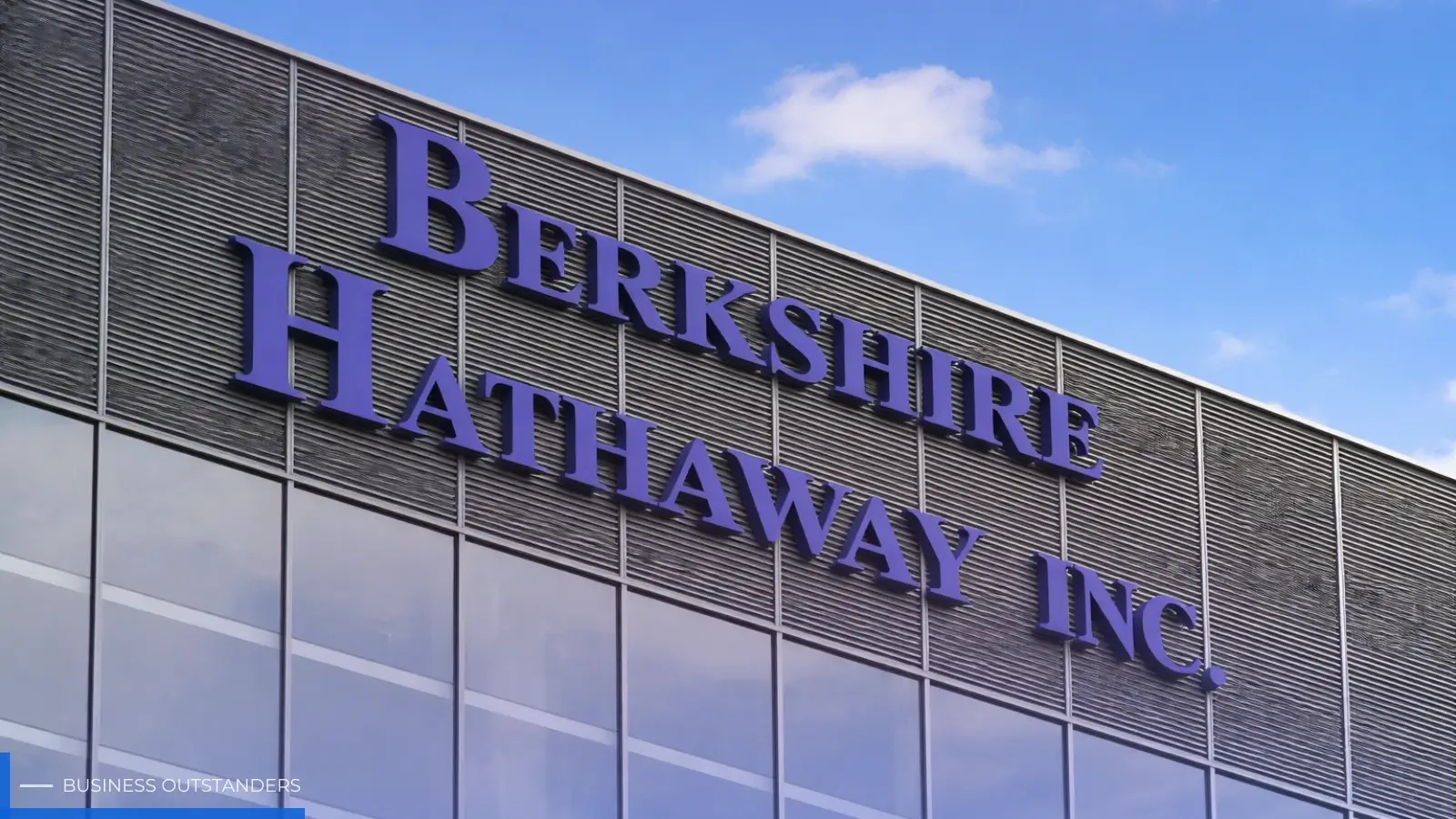
Berkshire Hathaway is back in the buyback game.
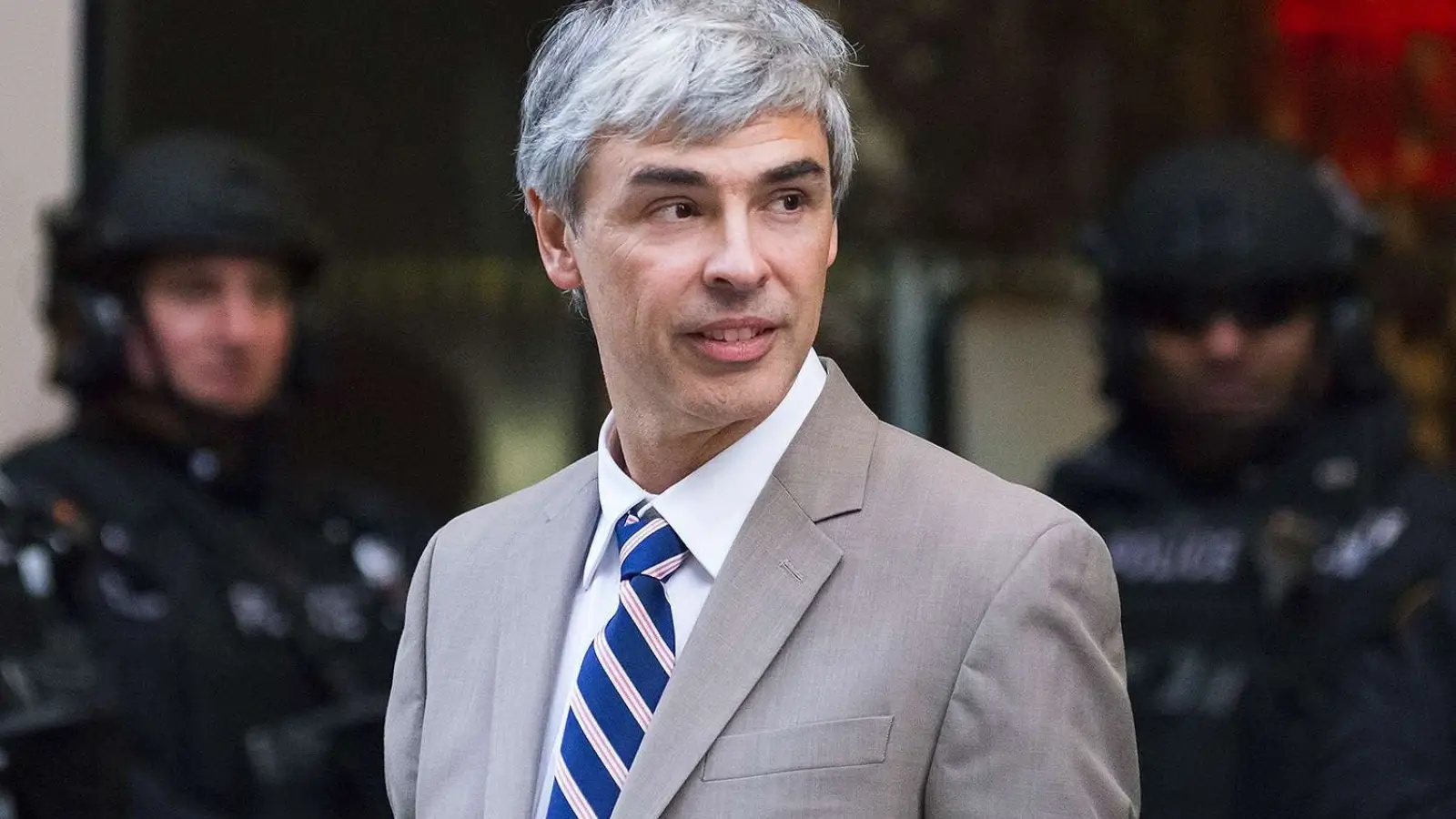
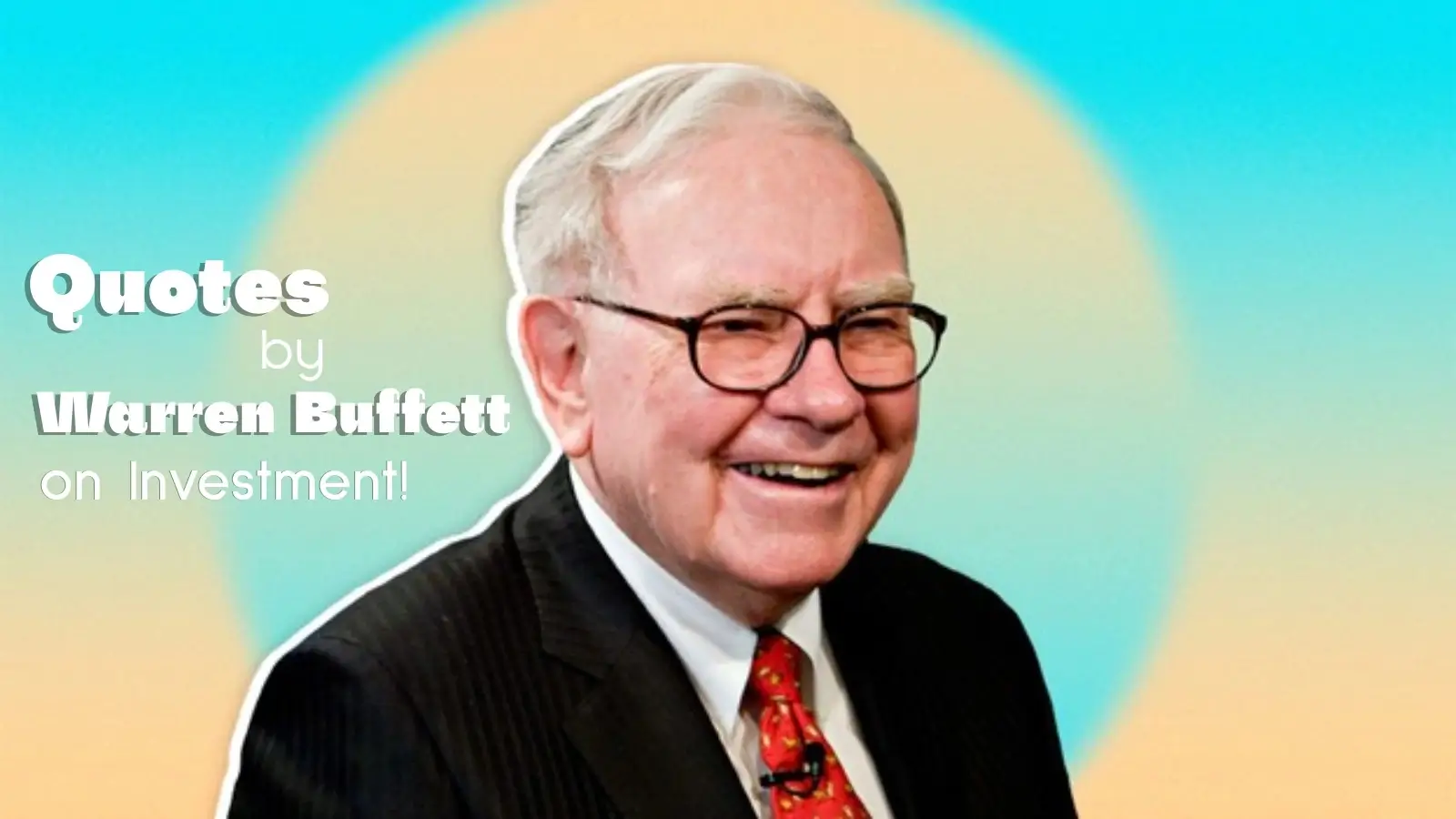
The Omaha-based conglomerate confirmed Thursday that it has resumed repurchasing its own Class A and Class B shares for the first time since the second quarter of 2024 — and the timing is deliberate. New CEO Greg Abel, who took over from the legendary Warren Buffett at the start of January, made a point of disclosing the move publicly, something the company would not normally do.
"We felt it was important to communicate to our shareholders, our partners, our owners, with the transition of leadership," Abel told CNBC's Squawk Box on Thursday.
Abel Goes All In, Personally
In a separate regulatory filing, Abel revealed that he bought $15 million worth of Berkshire stock himself, an amount that represents his post-tax annual salary down to the last penny. He said he intends to do so every single year that he heads the company, a term he hopes will stretch across two decades.
Abel also owned some $164.4 million in Berkshire shares before the purchase, according to FactSet. The latest move lifts that stake further and eliminate a question that had quietly dogged Warren Buffett’s succession since his appointment: Does Buffett’s successor have skin in the game to the same extent?
"Absolute alignment with our shareholders, our partners, our owners, is critical," Abel said. "I already have some shares, but the goal was to continue to demonstrate alignment with them."
It is a statement of intent as much as it is a transaction. Buffett himself is famous for having roughly 99.5% of his net worth tied up in Berkshire, a fact he has repeated for decades as proof of his commitment. Abel cannot match that level of concentration, but his annual salary pledge is a meaningful symbolic step toward building the same trust.
Why Now?
Berkshire’s shares are off to a rough start in 2026. The stock has fallen about 3% this year, while remaining around 10% off its all-time high set in May of last year. That pressure grew earlier this week when the company reported a nearly 30% drop in operating earnings for the fourth quarter, due largely to weakness in the insurance segment.
Against that background, both moves, the corporate buyback and Abel’s personally purchase, have a straightforward message: at this price, Berkshire is a buy.
It was also that, under its stated policy on repurchases of shares, the company may repurchase when the chief executive officer believes after consultations with chairman Warren Buffett that the price of repurchase is below intrinsic value. Abel stated that he did just that.
"I absolutely talked to Warren," he said. "So how I approached it was, obviously looking at the value, having a view of intrinsic value, [and then] consulted with Warren relative to the value and the timing."
Berkshire's Class B shares added roughly 1% in early trading Thursday following the announcements.
A $373 Billion Question, Answered, at Least Partially
Since Buffett stepped back, investors have grown increasingly vocal about what Berkshire intends to do with its $373.3 billion cash hoard. The conglomerate's war chest has ballooned to historic levels, and with no blockbuster acquisitions announced, some shareholders have pushed for more aggressive capital deployment.
Wednesday's buyback announcement won't fully satisfy those calls, buybacks at Berkshire's scale are rarely dramatic. But they do signal that management sees value in the stock and is willing to act on it, which is more than investors have seen in over a year.
Continuity Is the Strategy
Abel, 62, has been deliberate about framing his tenure as a continuation rather than a reinvention. In his first annual shareholder letter last weekend, he pledged that Berkshire's culture of financial conservatism and disciplined investing would continue "into perpetuity."
For some investors, that reassurance has been welcome. For others, it raised questions about whether Abel would be bold enough to move the needle on a company of Berkshire's size and complexity.
Thursday's dual announcements, company buybacks and a personal stock purchase tied directly to his paycheck, appear designed to answer both camps. They signal conviction without abandoning the measured approach that made Berkshire what it is.
Whether the market ultimately rewards that conviction will be a story that plays out over the next 20 years, if Abel gets the run he's hoping for.
Business Outstanders brings you sharp insights on tech, business, entrepreneurship, law, crypto, and more. We uncover what’s next. Stay updated, sign up for our newsletter and be part of the future!