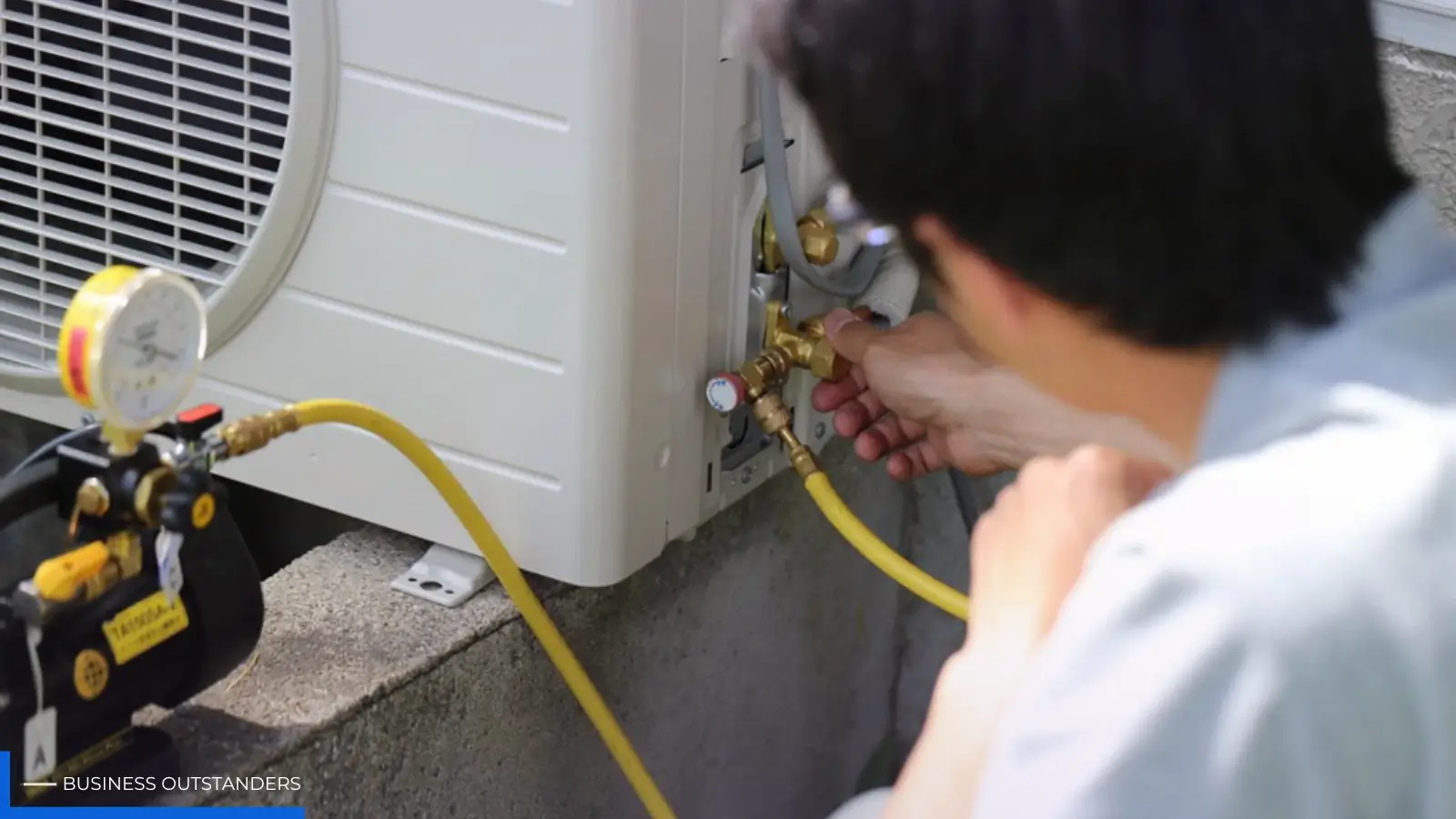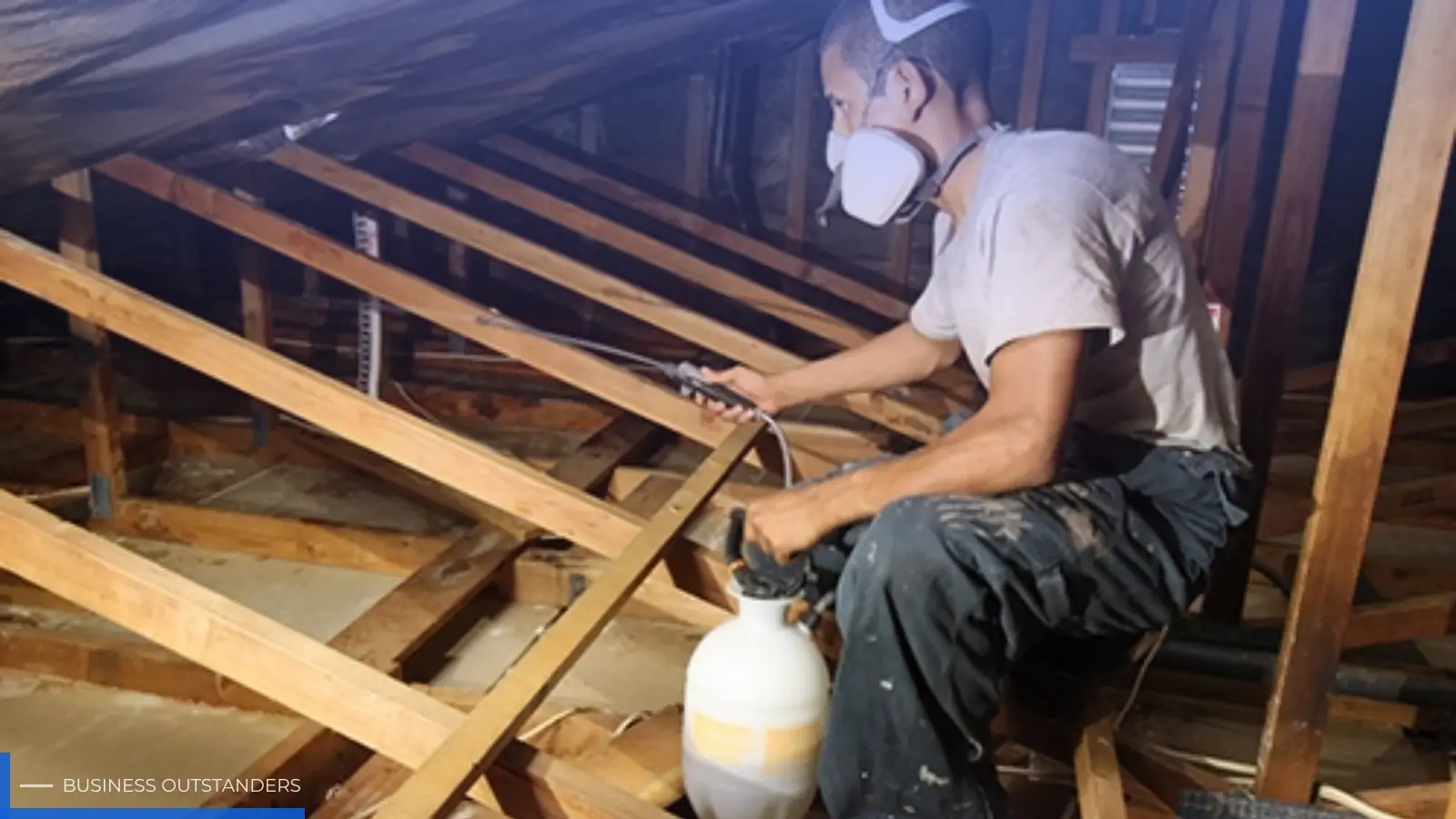
Scaling an HVAC business requires more than just acquiring more customers; it demands strategic planning, operational excellence, and smart resource management. Many HVAC entrepreneurs struggle with the transition from small operator to scalable enterprise because they lack structured systems and growth frameworks.
This comprehensive guide explores proven strategies that successful HVAC businesses use to achieve sustainable, profitable growth without sacrificing quality or customer satisfaction.
Common Scaling Challenges HVAC Businesses Face
Before implementing growth strategies, understanding the obstacles that prevent successful scaling helps you prepare appropriate solutions. Many HVAC companies hit growth plateaus because they attempt to expand without addressing fundamental operational weaknesses.
Critical scaling challenges include:
- Cash flow constraints during rapid expansion periods
- Difficulty finding and retaining qualified technicians
- Maintaining consistent service quality across multiple crews
- Managing increased administrative and operational complexity
- Balancing growth investment with profitability requirements
- Geographic expansion logistics and market penetration costs
- Technology adoption and system integration challenges
Building a Scalable Hiring and Training System
Your team represents the foundation of any successful HVAC business expansion, making recruitment and development your highest priority. Without qualified technicians and support staff, even the best marketing efforts will fail to translate into sustainable growth.
The U.S. Bureau of Labor Statistics projects HVAC technician employment will grow 6% through 2032, indicating strong demand but also highlighting the competitive hiring landscape.
1. Creating a Structured Recruitment Pipeline
Developing ongoing relationships with technical schools, trade programs, and industry associations ensures a steady flow of potential candidates. Rather than scrambling to hire when you're desperate, maintain constant recruiting efforts even when fully staffed. Offering apprenticeships and entry-level positions allows you to develop talent specifically suited to your company's methods and culture.
2. Comprehensive Onboarding and Training Programs
New hires need structured training that covers technical skills, customer service expectations, safety protocols, and company procedures. Investing 2-4 weeks in thorough onboarding prevents costly mistakes and creates consistency across your service delivery.
The Occupational Safety and Health Administration requires specific safety training for HVAC technicians, making compliance training a non-negotiable component of your program.
3. Mentorship and Career Development Paths
Pairing new technicians with experienced mentors accelerates skill development while reinforcing your company's service standards. Clear career progression paths from apprentice to journeyman to lead technician to supervisor motivates employees to stay long-term.
Companies with structured advancement opportunities report 34% lower turnover according to LinkedIn's Workplace Learning Report.
4. Competitive Compensation and Benefits Packages
Offering above-market wages, health insurance, retirement plans, and performance bonuses helps attract and retain top talent. Consider unique benefits like continuing education support, tool allowances, or profit-sharing programs that differentiate your company. The Society for Human Resource Management reports that comprehensive benefits packages reduce turnover by up to 50% in skilled trades.
5. Performance Metrics and Accountability Systems
Implementing clear performance standards with regular reviews ensures technicians understand expectations and receive constructive feedback. Track metrics like customer satisfaction scores, first-call resolution rates, average ticket values, and safety incidents. Data-driven performance management identifies training needs and rewards top performers objectively.
6. Building Company Culture and Team Cohesion
Creating a positive workplace culture where technicians feel valued and respected reduces turnover and improves customer interactions. Regular team meetings, company events, and open communication channels foster connection among dispersed field teams. Companies with strong cultures experience 4x higher revenue growth according to Harvard Business Review research.
7. Leveraging Technology for Training Efficiency
Digital training platforms, video libraries, and mobile learning apps allow technicians to access information on-demand and learn at their own pace. Virtual reality simulations and augmented reality tools can supplement hands-on training for complex systems. Technology-enhanced training reduces training time by up to 60% while improving knowledge retention rates.
Strategic Service Expansion and Diversification
Expanding your service offerings beyond basic installation and repair creates multiple revenue streams that stabilize cash flow throughout the year. Diversification also increases customer lifetime value by providing more reasons for clients to choose your company repeatedly. Successful HVAC companies like hvacministries.org demonstrate how comprehensive service menus attract diverse customer segments and create competitive advantages.
1. Preventive Maintenance Contract Programs
Recurring maintenance agreements provide predictable monthly revenue that smooths seasonal fluctuations in demand. These contracts keep your technicians busy during slower seasons while building long-term customer relationships. The Air Conditioning Contractors of America reports that maintenance contracts can contribute 20-30% of total revenue for established HVAC businesses.
2. Indoor Air Quality Services
Expanding into air purification, humidity control, ventilation improvements, and duct cleaning addresses growing consumer awareness about indoor air quality. The Environmental Protection Agency highlights that indoor air can be 2-5 times more polluted than outdoor air, creating significant market demand. IAQ services typically carry higher profit margins than commodity installation work.
3. Commercial HVAC Services
Adding commercial clients diversifies your customer base and often provides larger project values and longer-term contracts. Commercial work requires different licensing, insurance, and equipment but offers less price sensitivity than residential markets. The commercial sector provides steadier work schedules and opportunities for specialized expertise development.
4. Energy Efficiency Audits and Upgrades
Offering energy assessments positions your company as a trusted advisor helping customers reduce utility costs. Federal and state incentive programs for energy-efficient upgrades create additional selling opportunities. The Department of Energy's Weatherization Assistance Program and similar initiatives provide funding that makes these upgrades more accessible to customers.
5. Smart Home Integration Services
Installing and servicing smart thermostats, zoning systems, and home automation integration appeals to tech-savvy customers willing to pay premium prices. This specialized service differentiates your company from competitors still focused solely on traditional HVAC work. The smart home market continues growing at 11% annually according to Markets and Markets research.
6. Emergency and After-Hours Services
Providing 24/7 emergency service commands premium pricing while capturing customers that competitors can't serve. Emergency calls often lead to additional repair or replacement opportunities when systems can't be fixed immediately. Implementing on-call rotations allows you to offer this service without burning out your team.
Geographic Expansion and Market Penetration Strategies
Thoughtful geographic expansion allows you to serve more customers while spreading operational costs across a larger revenue base. However, expanding too quickly into unfamiliar markets can strain resources and damage your reputation if service quality suffers. The Small Business Administration recommends detailed market research and phased expansion approaches for service businesses entering new territories.
1. Analyzing Target Market Opportunities
Research demographic data, climate patterns, housing age, competition levels, and economic indicators before entering new markets. Areas with aging housing stock, population growth, or underserved communities present the best expansion opportunities. Understanding local regulations, licensing requirements, and permit processes prevents costly delays and compliance issues.
2. Establishing Local Presence and Brand Recognition
Opening a physical location or service center in new markets builds credibility faster than operating remotely from your original base. Local phone numbers, addresses, and community involvement help you compete against established local providers. Sponsoring local events, joining chambers of commerce, and partnering with complementary businesses accelerates market penetration.
3. Phased Rollout Approach
Start with adjacent markets that allow existing resources to serve new areas without major infrastructure investment. Test new markets with limited service offerings before committing to full-scale operations and large teams. This conservative approach minimizes risk while gathering real data about market potential and operational requirements.
4. Acquiring Established Local Businesses
Purchasing existing HVAC companies provides instant market share, established customer bases, and experienced local teams. Acquisitions eliminate the time required to build reputation and can be more cost-effective than organic growth. Due diligence regarding financial health, customer satisfaction, and cultural fit ensures successful integration.
5. Technology-Enabled Service Radius Extension
GPS tracking, route optimization software, and mobile technology allow technicians to serve larger geographic areas efficiently. Real-time dispatching reduces drive time and increases billable hours per technician per day. Service management platforms enable remote market expansion with minimal additional overhead costs.
Fleet Management and Operational Efficiency
Your vehicle fleet represents a significant capital investment and ongoing operational expense that directly impacts profitability. Professional fleet management improves technician productivity, reduces costs, and presents a professional image that builds customer confidence. The Federal Motor Carrier Safety Administration sets specific requirements for commercial vehicle maintenance and record-keeping that HVAC businesses must follow.
Essential fleet management components:
- GPS tracking and route optimization reducing fuel costs by 10-15%
- Preventive maintenance schedules preventing costly breakdowns
- Professional vehicle wraps and branding creating mobile advertising
- Organized inventory management ensuring trucks stock necessary parts
- Fuel card programs providing spending controls and detailed reporting
- Telematics systems monitoring driver behavior and vehicle health
- Replacement cycles maintaining reliable, professional-looking fleet
1. Systems, Processes, and Technology Integration
Scalable businesses run on documented systems and processes that ensure consistent results regardless of which team member performs the work. As you grow, relying on informal knowledge and ad-hoc problem-solving creates bottlenecks and quality inconsistencies. The International Organization for Standardization provides frameworks that help service businesses create quality management systems supporting sustainable growth.
2. Standard Operating Procedures Documentation
Create detailed written procedures for every recurring task from customer intake to job completion to invoicing and follow-up. Document decision trees for common scenarios so technicians can handle situations consistently without constant management intervention. Regular review and updates keep procedures current with best practices and new regulations.
3. Customer Relationship Management Systems
CRM platforms centralize customer data, service history, communication logs, and sales opportunities in one accessible location. Automation features handle follow-ups, appointment reminders, and review requests without manual effort. Integration with accounting and scheduling systems eliminates duplicate data entry and reduces administrative time.
4. Field Service Management Software
Purpose-built FSM platforms handle scheduling, dispatching, mobile work orders, time tracking, and digital invoicing from one system. Technicians access customer information, equipment history, and parts inventory from mobile devices in the field. Real-time updates keep office staff and customers informed about appointment status and completion.
5. Financial Management and Reporting
Moving beyond basic bookkeeping to management accounting provides insights needed for strategic decisions about pricing, profitability, and growth investments. Implement job costing to understand which services and customer segments generate the best margins. Monthly financial reviews comparing actual performance against budgets identify problems early and guide resource allocation.
6. Quality Assurance and Customer Feedback Systems
Automated customer surveys after each service call provide real-time feedback about technician performance and customer satisfaction. Mystery shopping programs and ride-alongs ensure technicians follow established procedures and maintain quality standards. Address negative feedback immediately to prevent reputation damage and identify training opportunities.
7. Key Performance Indicator Dashboards
Track metrics like revenue per technician, average ticket value, callback rates, customer acquisition costs, and customer lifetime value. Visual dashboards make performance trends immediately apparent and facilitate data-driven decision-making. Share relevant metrics with team members to create transparency and accountability throughout the organization.
Financial Planning for Sustainable Growth
Rapid growth consumes cash even when profitable, making careful financial planning essential to avoid the common trap of growing yourself out of business. Understanding your numbers, managing cash flow, and accessing appropriate funding sources allows you to scale at a healthy pace. The U.S. Small Business Administration offers free counseling and resources specifically designed to help small businesses navigate growth financing challenges.
Critical financial considerations:
- Maintaining 3-6 months operating expenses in cash reserves
- Understanding break-even points for new markets and service lines
- Calculating customer acquisition costs versus lifetime value
- Securing lines of credit before you desperately need funding
- Balancing debt financing with equity preservation
- Setting appropriate profit margins that fund reinvestment
- Creating detailed budgets and cash flow projections for growth phases
Conclusion
Scaling your HVAC business successfully requires balancing ambitious growth goals with operational excellence and financial discipline. By investing in people, diversifying services, expanding strategically, managing resources efficiently, and implementing robust systems, you create a foundation for sustainable long-term growth.
Business Outstanders brings you sharp insights on tech, business, entrepreneurship, law, crypto, and more. We uncover what’s next. Stay updated, sign up for our newsletter and be part of the future!