Introduction
The culture of a business is often defined by its values, communication style, and leadership tone. But there’s a less obvious, yet equally powerful influence that shapes a workplace culture every day: cleanliness. The condition of a workspace silently conveys how much a company values its employees, clients, and overall mission.
Think of it this way—what do people notice when they walk into your office, breakroom, or restroom? More importantly, what do your employees internalize when they see cluttered desks, overflowing trash bins, or dusty windowsills? These aren’t just signs of a missed cleaning day—they’re silent indicators of standards, care, and professionalism.
Cleanliness isn’t just about sanitation or aesthetics. It’s a foundational piece of how teams interact, how clients perceive your brand, and how confidently people show up to do their best work. This article explores the deeper role of cleanliness in building a strong business culture—and why investing in consistent upkeep, whether through in-house routines or professional commercial cleaning services, is about more than just appearances.
Clean Spaces Reflect Clear Values
What Your Environment Says Without Speaking
A tidy, well-maintained space doesn’t just look better—it feels intentional. It tells employees and visitors alike that the organization cares about its people and is committed to order, structure, and respect.
When businesses prioritize cleanliness, it becomes part of their operational DNA. Team members notice that leadership cares about the environment they work in. Clients and partners pick up on the attention to detail. Over time, this consistency fosters trust—a crucial element in both internal and external relationships.
On the other hand, a neglected workspace can quickly send the opposite message. Overflowing trash bins and dusty lobbies can suggest disorganization, lack of accountability, or even low morale. Cleanliness isn’t a luxury—it’s a form of everyday communication that speaks louder than words. Remember that cleanliness also plays a role in safety as well. The cleaner the environment the more likely it is that there will be less accidents in the workplace. You should send your employees to do several safety courses including a fire extinguisher inspection course in order to ensure safety at all levels of the workplace.
Housekeeping as Cultural Cue
Reinforcing Standards and Team Expectations
The small habits a team adopts often stem from the standards the company models. When a business demonstrates consistent attention to the work environment, employees are more likely to take pride in their space and maintain those standards themselves.
In this way, cleanliness becomes a cue. It teaches new hires what’s expected and subtly reminds long-time employees of the shared responsibility to maintain order. Clean workstations, organized communal areas, and daily reset routines create a rhythm that supports productivity and mutual respect.
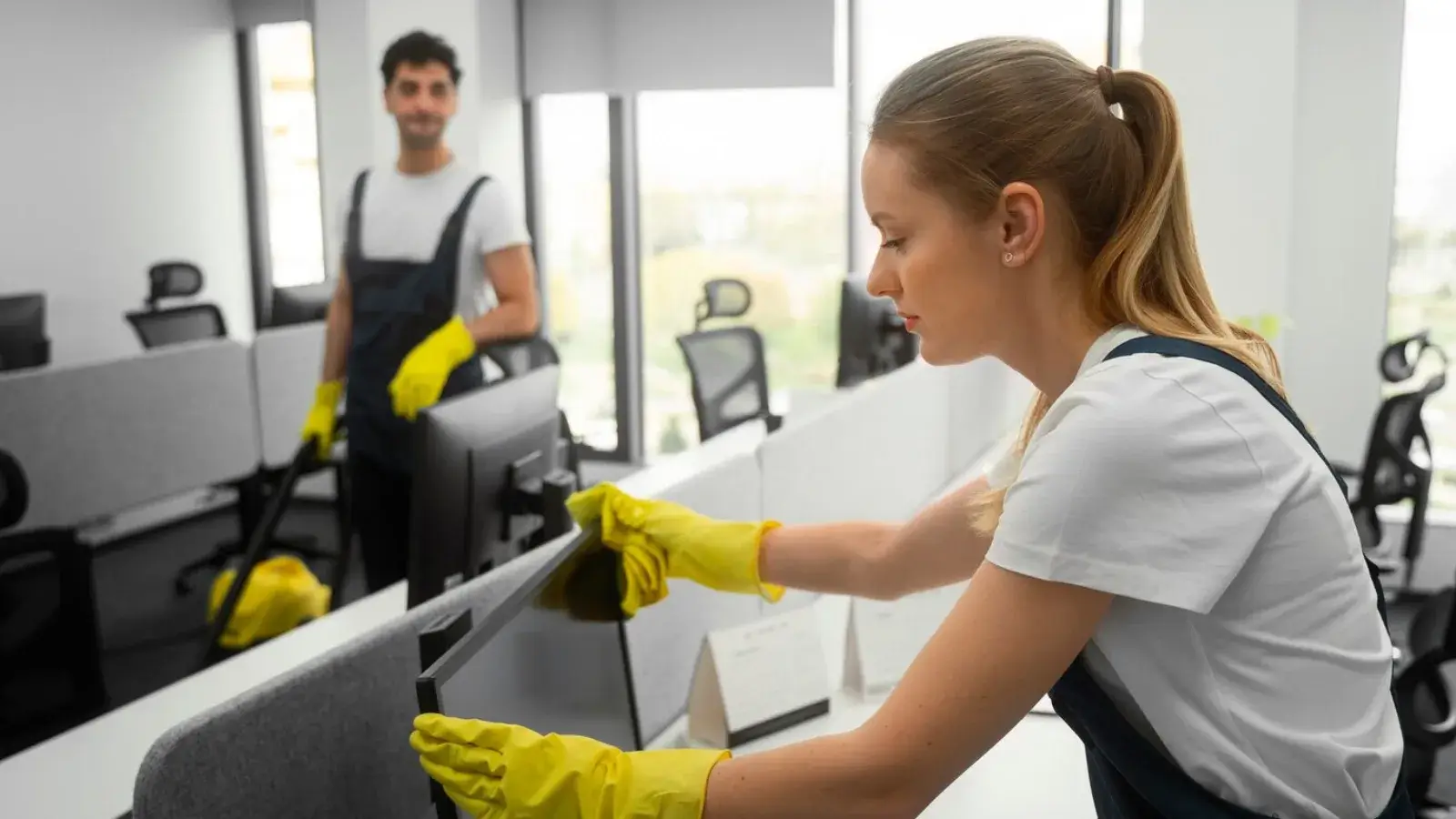
When companies outsource cleaning support, such as commercial cleaning services, this cultural cue becomes even stronger. Scheduled professional care shows that leadership is proactive and willing to invest in creating the best possible conditions for everyone to thrive.
Mental Clarity and Work Focus
How Cleanliness Shapes Cognitive Performance
Clean environments are proven to boost focus, reduce mental fatigue, and support overall well-being. A cluttered or dirty office, on the other hand, subtly distracts the mind and can increase stress levels—especially in fast-paced or high-demand work settings.
In workplaces where creativity, attention to detail, or problem-solving are core parts of the job, the impact of cleanliness on cognitive performance is impossible to ignore. A clean, minimalist desk supports clear thinking. A spotless conference room invites productive conversation. Even a fresh-smelling restroom can reset someone’s mood.
Maintaining this standard isn’t about perfection—it’s about consistency. Whether through internal systems or trusted services like Snap Clean, committing to regular commercial cleaning services can help reinforce the focus and mental clarity that team members need to do their best work.
Pride in Place
Why Cleanliness Fuels Ownership and Morale
When employees feel good about their environment, they’re more likely to feel good about their role. Clean, organized spaces reinforce a sense of ownership. They make it easier to show up with confidence, stay engaged, and care about the quality of work being done.
House cleaning principles apply here too—particularly for remote teams or hybrid workspaces. When people feel empowered to maintain clean personal or home offices, they show up more fully to virtual meetings and contribute with greater focus. Cleanliness supports not only professionalism but also a deeper sense of individual accountability.
In shared commercial spaces, maintaining cleanliness in breakrooms, restrooms, and communal areas reinforces team morale. It makes daily work life feel more manageable and less draining, which can improve communication, collaboration, and even retention.
Client Impressions and Brand Reputation
When Cleanliness Speaks on Your Behalf
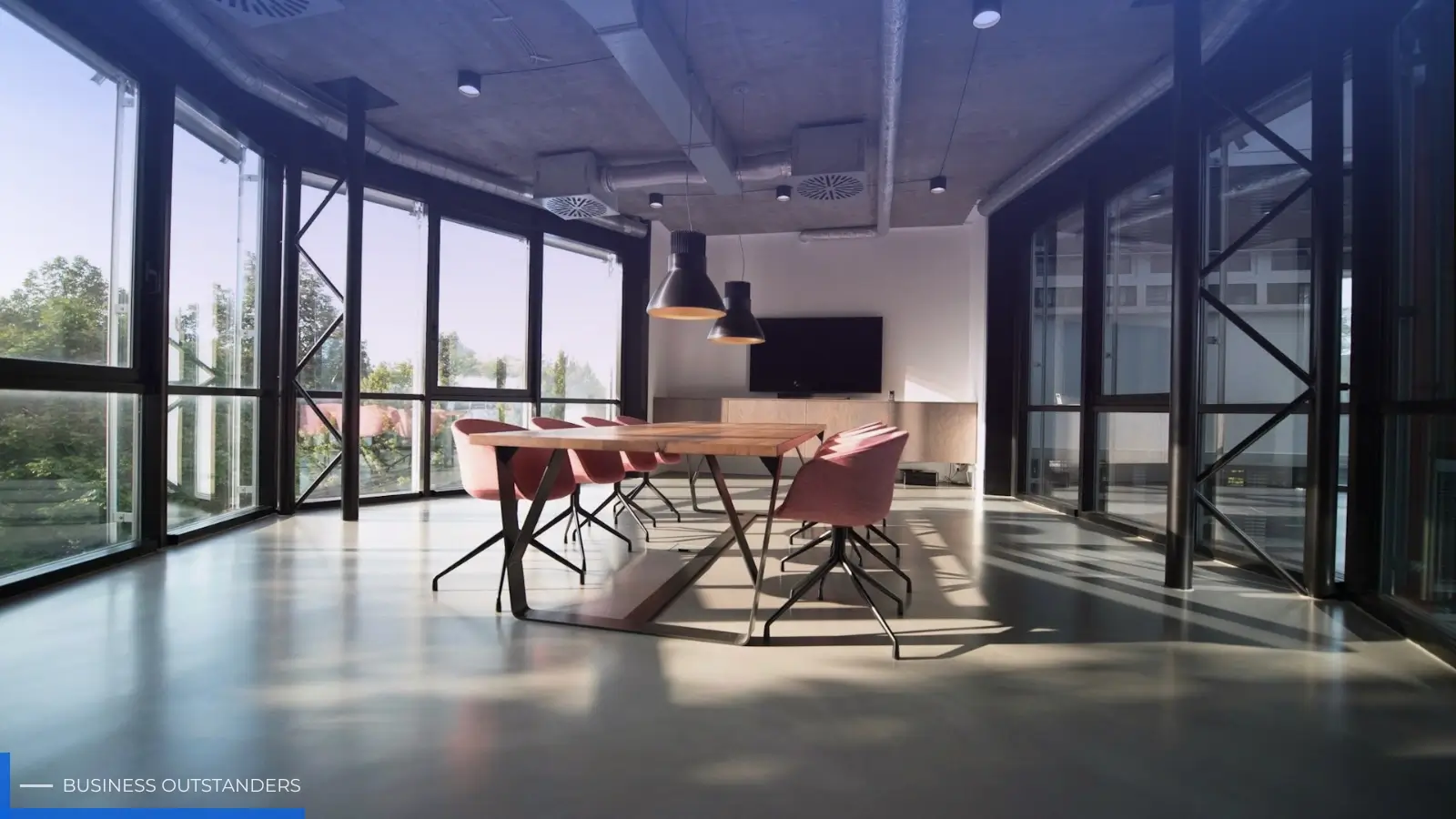
For client-facing businesses, the role of cleanliness in brand image is critical. Clients, partners, and prospective hires form impressions quickly. A clean reception area, polished flooring, and organized meeting spaces create a subconscious trust in the quality of service or product you offer.
Even if your business doesn’t see frequent visitors, internal cleanliness shapes how the brand is represented by the team. Employees who work in a clean, well-cared-for environment are more likely to embody those same values in their communication, presentation, and service delivery.
In this sense, cleanliness is part of your brand story. It shows that you’re invested in excellence, safety, and care—not only for your external stakeholders but for the people who show up every day to carry out your mission.
Safety and Consistency
Cleanliness as an Operational Foundation
Safety is another critical part of workplace culture—and cleanliness is a major player. Spills, cluttered walkways, and improperly sanitized surfaces pose health and safety risks that can affect productivity, liability, and employee confidence.
When businesses adopt structured cleaning routines, they create a sense of stability. Employees know what to expect. They can move through their day without dodging hazards or wondering when the kitchen will finally be cleaned. These small consistencies add up to a larger sense of trust in the system.
Partnering with professional commercial cleaning services ensures that this consistency is met with expertise. From proper sanitation techniques to industry-specific standards, external support helps maintain an environment that’s safe, compliant, and aligned with operational goals.
Ritual and Reset
The Psychology of Starting Fresh
There’s something deeply satisfying about arriving in a clean space. It signals a fresh start, a blank slate. For teams that operate on cycles—weekly meetings, project launches, or seasonal campaigns—a clean environment becomes part of the ritual that prepares people to perform.
At home, many people adopt weekend or evening routines to reset their space and prepare for the week ahead. These same principles apply to the workplace. A quick desk clean-up on Friday afternoon. A Monday morning coffee in a freshly wiped-down breakroom. These small rituals add a sense of rhythm and intentionality to the workweek.
Professional house cleaning for home-based workers or hybrid teams can support this sense of routine on a personal level. Clean environments act as anchors, helping individuals and teams alike feel grounded and ready to move forward with clarity.
Conclusion
Cleanliness is often treated as a secondary concern in business—but in reality, it’s a core element of workplace culture. It affects how people feel, how they perform, and how they connect with the values of the organization. It shapes first impressions and daily interactions alike, reinforcing trust, pride, and professionalism.
Whether through small daily habits or larger-scale support from trusted providers like Snap Clean, investing in consistent house cleaning and commercial cleaning services is an investment in people. Clean spaces make room for clarity, connection, and culture to thrive—and that’s a competitive advantage no business can afford to overlook.
Business Outstanders brings you sharp insights on tech, business, entrepreneurship, law, crypto, and more. We uncover what’s next. Stay updated, sign up for our newsletter and be part of the future!