For many homeowners, the plumbing system is essentially magic. You turn a handle or push a button, and water appears, or waste disappears. It is the ultimate "out of sight, out of mind" convenience. However, for the millions of households relying on private septic systems, that magic is actually a complex biological and mechanical ecosystem operating just a few feet beneath the backyard grass.
When this ecosystem fails, the results are catastrophic—not just for your weekend plans, but for your bank account. The traditional view of septic maintenance often involves waiting for a problem to arise before calling a professional. But this reactive approach is quickly becoming outdated. We are entering a new era where technology and environmental awareness are transforming how we manage wastewater, turning the dreaded septic inspection from a dirty chore into a high-tech diagnostic process.
The High Stakes of the Underground
A septic system is arguably the most expensive utility in a home to replace. While a furnace or a roof might cost a significant amount, a full septic system replacement can easily rival the price of a new car. Despite this, it remains the most neglected component of home maintenance.
The danger lies in the silence of the system. Unlike a leaking roof that drips water onto your forehead, a failing septic system often shows no signs until it is too late. The tank may be cracking, the baffles might be deteriorating, or the drain field could be suffocating under a layer of biomat—all while the toilets flush perfectly fine inside the house.
This is why the septic inspection is not merely a formality; it is a critical financial safeguard. It is the only way to peer into the "black box" of your waste management system and assess its health before a catastrophic backup forces your hand.
From Guesswork to Precision: The Rise of Septic Innovations
Historically, inspecting a septic tank was a crude affair. It involved a lot of digging, a long stick to measure sludge layers, and a fair amount of educated guessing. While the stick-and-shovel method still has its place, the industry has undergone a quiet revolution.
Septic Innovations has brought laboratory-grade precision to the backyard. The field is no longer just about pumping waste; it is about diagnosing complex hydraulic and biological issues.
Video Pipe Inspection
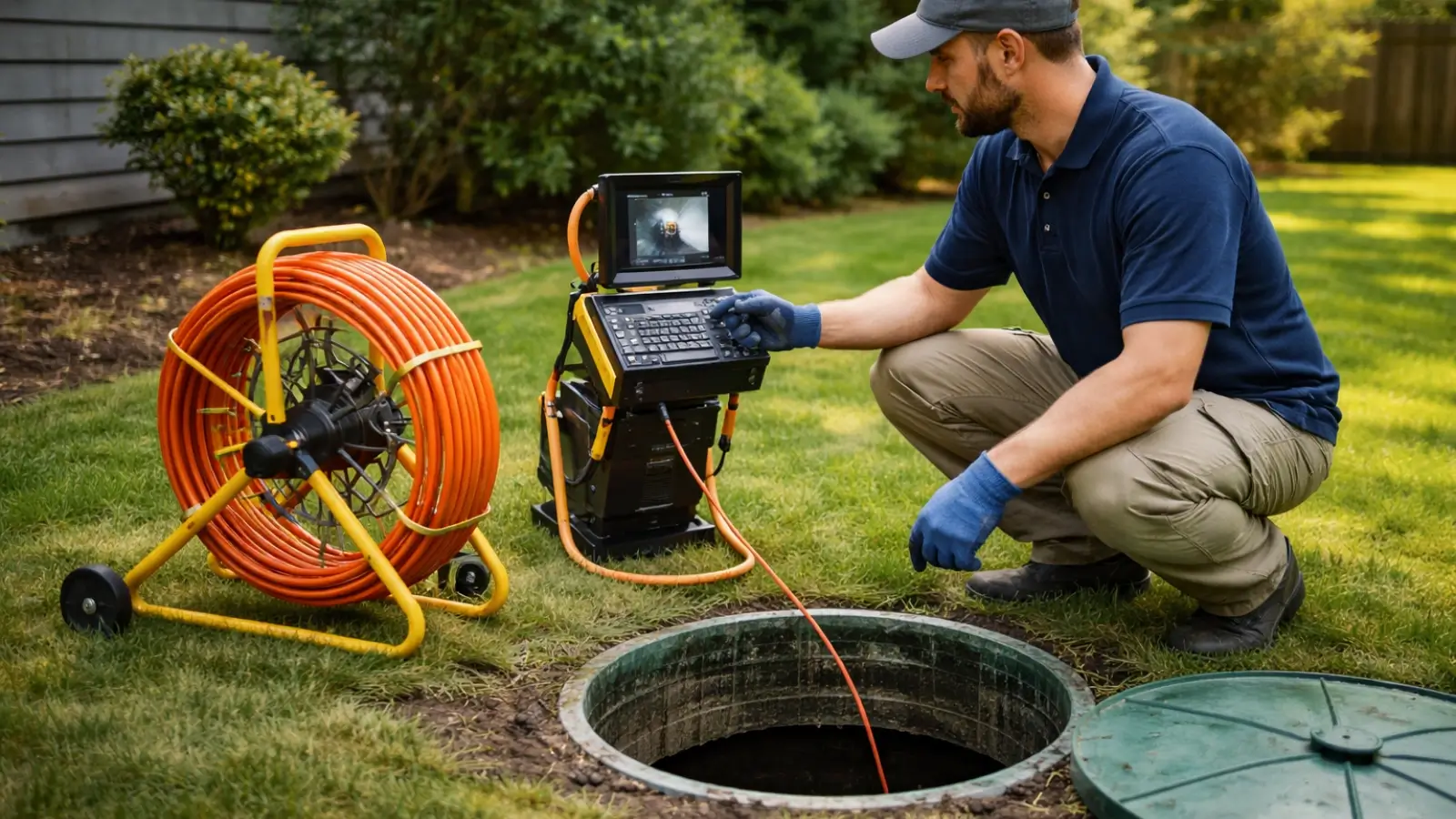
One of the most significant advancements is the use of miniature, high-definition cameras. In the past, a blockage between the house and the tank was a mystery that often required excavating the entire line. Now, inspectors can feed a camera into the plumbing to visually inspect the condition of the pipes. They can spot tree root intrusion, crushed pipes, or saggy lines (bellies) that trap waste. This technology allows for targeted repairs rather than destructive, yard-wrecking excavation.
Electronic Location
Finding the tank lids used to be half the battle, especially in older homes where records might be lost. Inspectors would poke the ground with metal rods like they were searching for landmines. Today, flushable transmitters can locate the exact position and depth of the tank from above ground, saving hours of labour and keeping your lawn intact.
Smart Sensors and Monitoring
Perhaps the most futuristic leap is the integration of the Internet of Things (IoT) into wastewater management. High-end systems now feature sensors that monitor water levels, pump performance, and even dissolved oxygen levels in real-time. If a pump fails or a high-water alarm triggers, the homeowner and the service provider can get a notification on their smartphone instantly. This shift from reactive to proactive monitoring prevents sewage backups before they happen.
The Environmental Ripple Effect
Beyond the technology and the financial protection, a rigorous septic inspection plays a vital role in environmental stewardship. We often think of pollution as coming from massive factories or city smog, but failing septic systems are a leading cause of groundwater contamination.
A functioning septic system creates a balance where bacteria break down waste before the effluent filters into the soil. If the tank is leaking or the drain field is saturated, untreated wastewater—loaded with pathogens, nitrogen, and phosphorus—seeps directly into the water table.
This runoff feeds into local streams, lakes, and drinking water wells. Excess nitrogen triggers algae blooms that suffocate aquatic life, while pathogens pose serious health risks to humans and pets. By prioritising regular inspections, homeowners are not just protecting their property; they are acting as guardians of the local watershed. It ensures that the water leaving your property is clean and safe, preserving the local ecosystem for neighbours and wildlife alike.
The Real Estate Reality Check
The importance of these inspections becomes sharply focused during real estate transactions. In the past, a "functional flow test"—flushing the toilet and turning on the taps—was often considered sufficient proof that a septic system worked.
That standard no longer holds up. Savvy buyers and diligent mortgage lenders now demand comprehensive inspections. They want to know the age of the system, the condition of the drain field, and the integrity of the tank.
Discovering a failed system during a pre-purchase inspection can be a deal-breaker, or at the very least, a massive bargaining chip. For sellers, having a recent, clean bill of health from a certified inspector adds immense value to the property. It signals that the home has been well-maintained and removes a massive potential liability from the buyer's mind.
What a Modern Inspection Looks Like
If you haven't had an inspection in a few years, you might be surprised by the thoroughness of the modern process. It goes far beyond simply pumping the tank. A comprehensive evaluation typically includes:
-
Structural Integrity Check: Examining the tank for cracks, corrosion, or leaks. Concrete tanks can deteriorate over decades, and plastic tanks can warp under pressure.
-
Baffle Inspection: The inlet and outlet baffles are crucial for keeping solids in the tank and allowing liquids to flow to the drain field. If these are damaged, solids can ruin the drain field—a repair that costs thousands.
-
Drain Field Analysis: This is the most critical part of the system. Inspectors check for signs of standing water (surfacing effluent) and may dig test holes to check the condition of the soil and the biomat layer.
-
Hydraulic Load Test: By introducing a specific volume of water into the system, inspectors can observe how well the drain field accepts and processes the liquid.
Safeguarding Your Investment
Septic inspection safeguards your home’s hygiene system by identifying hidden issues early, preventing costly failures, and extending the life of the entire setup. A home is more than just walls and a roof; it is a complex machine that requires consistent care, and the septic system functions as the engine behind its cleanliness. While it may not be glamorous, modern technology and professional expertise now make managing and maintaining it easier and far more reliable than ever before.
Embracing Septic Innovations means moving away from the "wait and see" approach. It means utilising data, cameras, and expert analysis to extend the life of your system. A routine septic inspection is a small price to pay for the assurance that the ground beneath your feet is secure, your water is clean, and your investment is safe.
So, the next time you flush, take a moment to appreciate the science happening in your backyard—and maybe schedule that inspection you’ve been putting off.
Business Outstanders brings you sharp insights on tech, business, entrepreneurship, law, crypto, and more. We uncover what’s next. Stay updated, sign up for our newsletter and be part of the future!