Key Takeaways:
-
Verify licensing, insurance, and technician training before hiring any pest control provider
-
Local companies often understand Pacific Northwest pest challenges better than national chains
-
Transparent pricing, detailed inspections, and customized treatment plans indicate quality service
-
Look for providers offering integrated pest management rather than chemical-only solutions
-
Customer reviews and satisfaction guarantees reveal a company's reliability and service quality
-
Moisture management expertise is critical for Washington pest control success
Selecting a pest control company in Washington requires more research than simply choosing the first name that appears in search results. The Pacific Northwest's unique climate creates specific pest challenges that demand specialized knowledge and experience. Understanding what separates quality providers from mediocre ones helps homeowners protect their investment while avoiding costly mistakes and recurring infestations.
Washington's consistently damp weather, mild temperatures, and proximity to forests create ideal conditions for carpenter ants, moisture ants, rodents, spiders, and dozens of other pests. Effective pest management in this region requires understanding these environmental factors and how they influence pest behavior throughout the year. Companies that primarily serve drier climates often lack the regional expertise necessary to address moisture-driven infestations common in Western Washington.
Verify Credentials and Experience
Start by confirming basic credentials. Every pest control company operating in Washington must hold proper licensing through the Washington State Department of Agriculture. Licensed technicians have completed required training and demonstrated competency in pest identification, treatment methods, and safety protocols. Don't hesitate to ask for license numbers and verify them through state databases.
Insurance coverage protects homeowners if something goes wrong during treatment. Reputable companies carry both general liability insurance and workers' compensation coverage. This protection matters more than many realize. If an uninsured technician gets injured on your property or accidentally damages something during treatment, you could face significant financial liability.
Experience level varies dramatically across pest control providers. Companies with decades of local experience, like Zunex Pest Control, understand how pests behave differently across Seattle, Tacoma, and the surrounding Puget Sound region. They recognize that carpenter ant pressure near wooded areas differs from rodent challenges in older urban neighborhoods. This regional knowledge translates to more effective treatment plans and better long-term results.
Ask potential providers specific questions about their experience with your particular pest problem. How do they typically handle carpenter ant colonies that extend from outdoor parent nests to indoor satellite locations? What's their approach to rodent exclusion in homes with crawl space access? Generic answers suggest limited experience, while detailed explanations demonstrate real expertise.
Assess Treatment Approaches
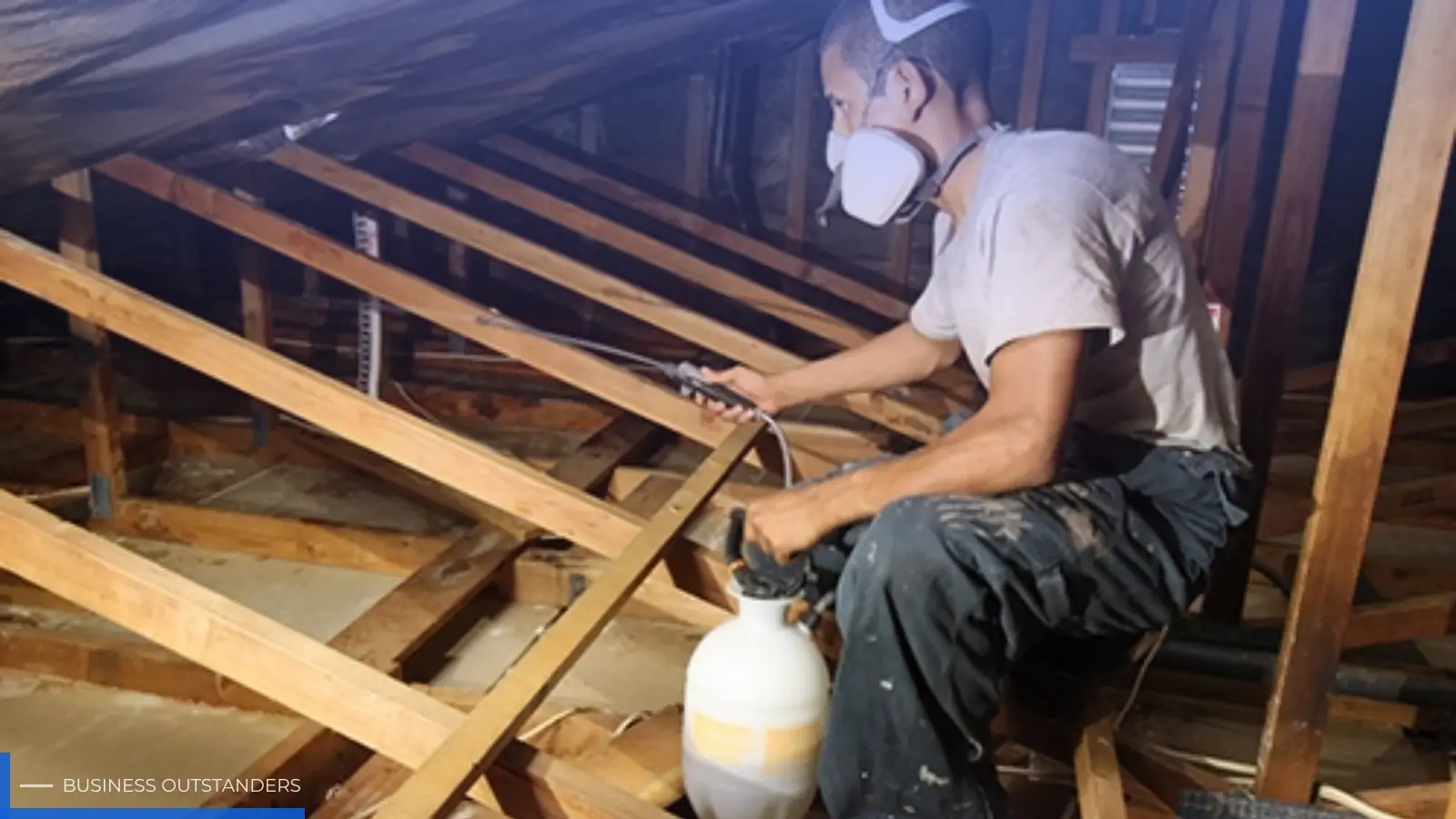
Modern pest control emphasizes integrated pest management combining multiple strategies rather than relying solely on pesticides. Quality companies start with thorough inspections identifying pest species, entry points, conducive conditions, and nesting sites. They explain findings clearly and recommend both immediate treatment and long-term prevention strategies.
Be wary of providers offering instant quotes without inspecting your property. Effective pest control requires understanding your specific situation. A company that quotes prices over the phone likely uses one-size-fits-all approaches that rarely deliver lasting results in Washington's challenging pest environment.
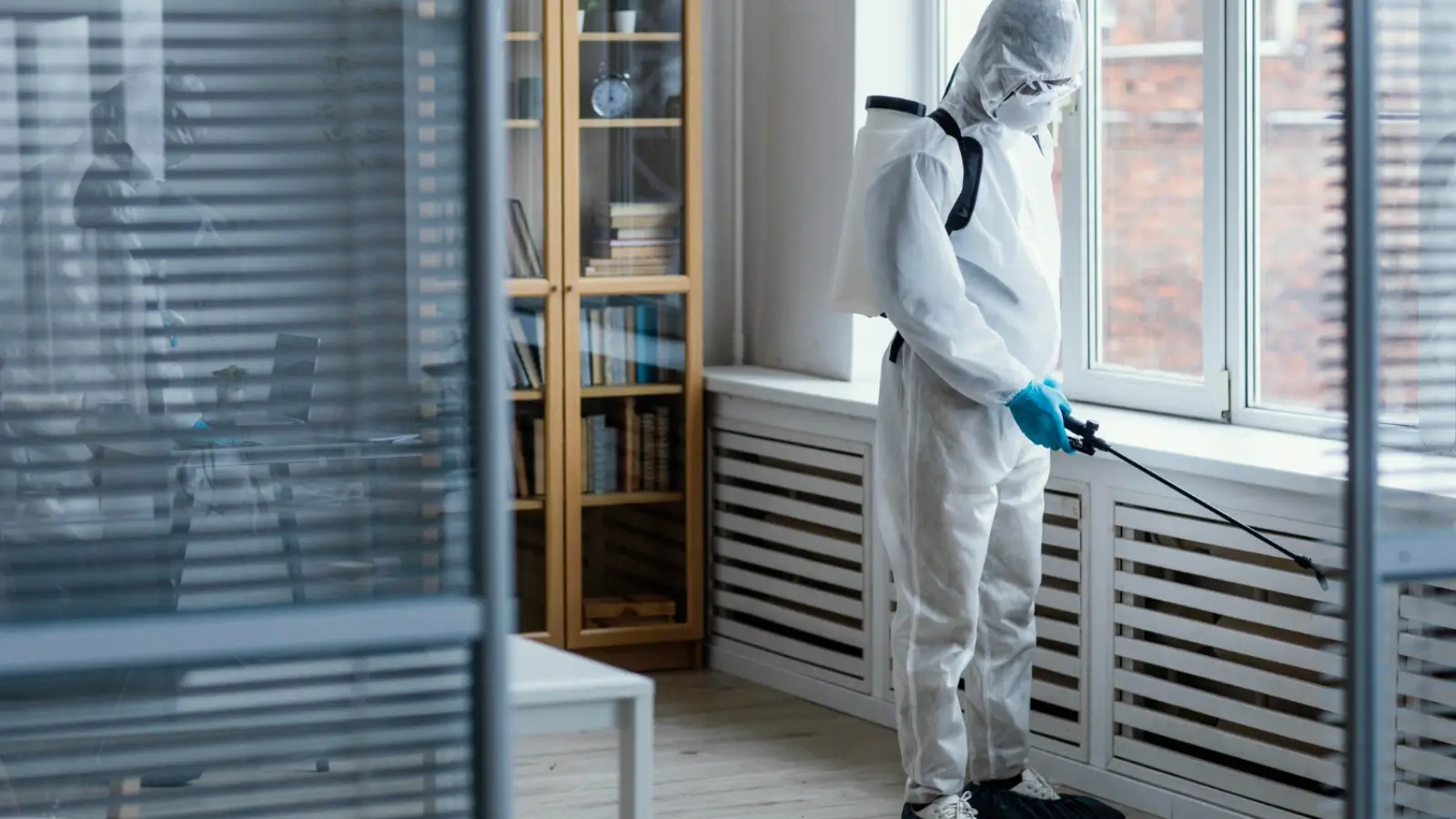
Treatment methods matter significantly. Ask what products they use, how they apply them, and what safety measures they implement. Reputable companies prioritize low-toxicity options and targeted applications that minimize exposure while maximizing effectiveness. They should willingly explain their treatment approach and address any concerns about family and pet safety.
For common Washington challenges like moisture ants or carpenter ants, effective treatment extends beyond simply killing visible insects. Quality providers address underlying moisture problems that attracted pests initially. They explain what homeowners need to remedy alongside professional treatment to prevent recurrence. Companies focusing only on chemical application without addressing root causes set you up for ongoing problems.
Evaluate Pricing and Service Plans
Transparent pricing builds trust. Quality companies provide detailed written estimates breaking down service costs, treatment schedules, and what's included. Be cautious of providers reluctant to put pricing in writing or who pressure you to sign contracts immediately without time to review terms.
Compare pricing across multiple providers, but don't make decisions based solely on the lowest bid. Extremely low prices often indicate shortcuts like inadequate inspection time, substandard products, or inexperienced technicians. The most affordable option frequently becomes expensive when treatments fail and infestations return.
Service plans should align with Washington's pest patterns. Quarterly treatments work well for general pest prevention, while rodent problems often require more frequent monitoring initially. Pest control in Washington typically involves year-round service since the mild climate keeps many pests active even during winter months.
Ask about guarantees and what happens if pests return between scheduled visits. Quality companies stand behind their work with satisfaction guarantees and free re-treatment when needed. Those refusing to guarantee results likely lack confidence in their treatment effectiveness.
Consider Local vs. National Companies
Local and national pest control providers each offer distinct advantages. National chains typically have more resources, standardized training programs, and established protocols. However, they often lack deep knowledge of Pacific Northwest-specific pest challenges. Technicians may rotate between territories or follow rigid treatment protocols that don't account for regional variations.
Local companies invest in understanding their service area intimately. They recognize that pest pressure differs between waterfront properties in Gig Harbor and wooded neighborhoods in Enumclaw. They maintain relationships with local suppliers and can quickly adapt to emerging pest trends in the region. When problems arise, you typically reach someone familiar with your account rather than a distant call center.
Family-owned operations like Zunex Pest Control, serving Washington and Utah, often prioritize reputation and customer relationships over rapid expansion. Their technicians live in the communities they serve and have personal stakes in delivering quality work. This local connection frequently translates to more responsive service and stronger accountability.
Review Customer Feedback and References
Customer reviews reveal patterns that individual testimonials might miss. Look beyond star ratings to read actual experiences, paying particular attention to comments about responsiveness, treatment effectiveness, and how companies handle problems. Consistent complaints about hidden fees, aggressive sales tactics, or ineffective treatments are serious red flags.
Check reviews across multiple platforms including Google, Yelp, and the Better Business Bureau. Companies with hundreds of positive reviews across various sites demonstrate consistent quality. Single-platform success might indicate selective sharing or review manipulation.
Don't ignore negative reviews, but assess how companies respond to criticism. Quality providers address complaints professionally and work to resolve issues. Defensive or dismissive responses to legitimate concerns suggest poor customer service standards.
Ask potential providers for references from customers with similar pest problems and property types. Speaking with actual clients provides insights that online reviews can't match. Ask about treatment effectiveness, professionalism, pricing accuracy, and whether they'd hire the company again.
Understand Service Coverage and Availability
Geographic coverage areas affect response times and service quality. Companies serving tight geographic regions typically offer faster emergency response and more consistent service than those covering vast territories. Rodent control services in Western Washington, for example, work better when providers can quickly respond to evidence of new activity between scheduled visits.
Ask about typical response times for different service types. How quickly can they schedule initial inspections? What's their emergency service availability for urgent situations like wasp nests near entryways or sudden rodent invasions? Companies struggling to schedule appointments within a week likely lack adequate staffing for their customer base.
Technician consistency matters more than many homeowners realize. Working with the same technician visit after visit means they become familiar with your property and can notice changes indicating developing problems. Frequent technician turnover suggests training issues, poor working conditions, or staffing problems that ultimately affect service quality.
Assess Communication and Professionalism
First impressions reveal a lot about overall service quality. How quickly do they respond to initial inquiries? Are staff members courteous and knowledgeable when answering questions? Do they explain processes clearly without excessive technical jargon?
Quality companies invest in customer education. They explain what pests you're dealing with, why infestations occurred, what treatments will accomplish, and how to prevent recurrence. Providers rushing through explanations or dismissing questions likely prioritize volume over quality.
Professional appearance and conduct matter. Technicians should arrive in marked vehicles, wear identifying uniforms, and present themselves professionally. They should protect your property by using floor coverings when necessary and cleaning up thoroughly after treatments. Small details like these reflect overall attention to quality.
Examine Contract Terms Carefully
Read service agreements thoroughly before signing. Understand cancellation policies, auto-renewal terms, and what happens if you're dissatisfied with results. Some companies lock customers into long contracts with substantial cancellation penalties. Others offer flexible month-to-month arrangements after initial treatment periods.
Pay attention to exactly what services are included. Does quarterly service include unlimited pest types or only specific insects? Are rodent control and carpenter ant treatment included or considered add-ons requiring extra fees? Understanding scope prevents surprise charges later.
Ask about price increases and notification policies. While periodic rate adjustments are normal, companies should provide advance notice before implementing increases. Automatic annual price hikes buried in contract fine print suggest questionable business practices.
Look for Added Value Services
Top providers offer services beyond basic pest elimination. Do they provide detailed inspection reports documenting findings and recommendations? Can they help identify entry points and conducive conditions you should address? Do they offer maintenance suggestions between visits?
Some companies provide specialized services particularly valuable in Washington's climate. Moisture barrier installation, crawl space vapor barriers, and attic insulation services address conditions attracting pests while improving home efficiency. Providers offering these complementary services demonstrate comprehensive understanding of pest prevention.
Educational resources indicate commitment to customer empowerment. Quality companies maintain informative websites, provide seasonal pest tips, and answer questions about pest biology and prevention. This educational approach helps homeowners become active participants in pest management rather than passive consumers.
Trust Your Instincts
Professional pest control should never feel like high-pressure sales. Be wary of companies pushing expensive multi-year contracts, insisting on immediate decisions, or dismissing your concerns. Quality providers respect customer autonomy and give you time to make informed decisions.
Your comfort level with a provider matters. If something feels off during initial interactions, trust that instinct. Effective pest control requires ongoing communication and trust. Working with a company that makes you uncomfortable rarely ends well regardless of their technical expertise.
Making Your Decision
Choosing pest control providers in Washington requires balancing multiple factors. Verify credentials, assess treatment approaches, compare pricing transparently, and research company reputations thoroughly. Local providers often bring regional expertise and accountability that national chains can't match.
Companies demonstrating clear communication, customized treatment plans, and genuine commitment to customer satisfaction typically deliver superior results. Whether dealing with carpenter ants, rodents, or general household pests, the right provider makes pest management straightforward rather than stressful.
Take time to interview multiple companies, ask detailed questions, and trust your judgment. The few hours invested in careful selection prevent years of frustration dealing with recurring infestations or poor service. Your home deserves protection from a provider who truly understands Pacific Northwest pest challenges and delivers reliable, professional solutions.
Business Outstanders brings you sharp insights on tech, business, entrepreneurship, law, crypto, and more. We uncover what’s next. Stay updated, sign up for our newsletter and be part of the future!