Simple Tips From a Physiotherapist
As we grow older, maintaining independence and mobility becomes increasingly important. One of the greatest threats to both is the risk of falling. According to research, falls are one of the leading causes of injury among people over 65, often leading to broken bones, reduced confidence, and even a loss of independence. The good news is that many falls can be prevented with the right approach. Strengthening muscles, improving balance, and making small lifestyle changes all add up to a safer and more confident daily life.
This article explores why falls happen, how to reduce the risk, and what practical steps older adults and their families can take to stay steady on their feet. If you or a loved one have suffered a fall, or require physiotherapists in London and beyond, there are clinics available that can help.
Understanding Why Falls Happen
Falls rarely occur for just one reason. They are usually the result of several factors working together. Age-related changes such as weaker muscles, reduced joint flexibility, and slower reaction times play a role. Vision problems, medications that cause dizziness, or medical conditions such as arthritis or Parkinson’s disease can further increase the risk.
Environmental hazards are another major factor. Uneven pavements, loose rugs, poor lighting, or cluttered hallways can all turn an ordinary step into a dangerous stumble. Recognising these risks is the first step toward preventing them.
Building Strength for Stability
Strong muscles are the foundation of good balance. As people age, it’s common to lose muscle mass, particularly in the legs and core. This makes everyday tasks like climbing stairs, standing from a chair, or catching yourself after a trip more difficult. Fortunately, even gentle strength training can restore stability.
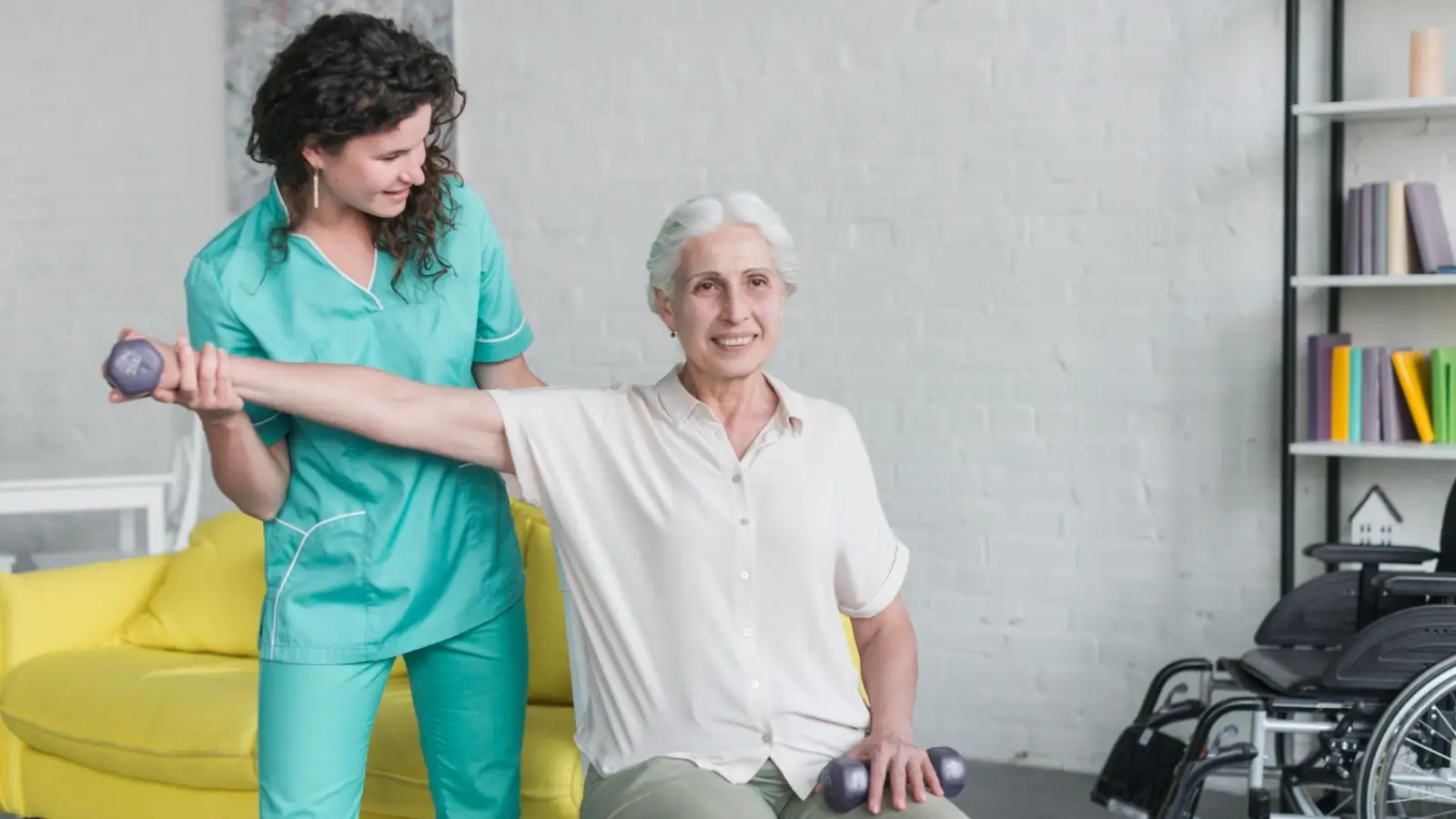
Simple bodyweight exercises can be effective, especially when done regularly. Sit-to-stand repetitions from a sturdy chair strengthen the thighs and hips, while standing calf raises build ankle stability. Using resistance bands or light weights can provide an extra challenge once these exercises feel easier.
Walking is another underrated strength builder. A brisk walk for 20 to 30 minutes several times a week not only improves cardiovascular health but also reinforces the coordination and endurance needed for balance.
Practising Balance Exercises
Improving balance is about training the body to react quickly and smoothly to small disturbances. Specific exercises help retrain these skills and build confidence.
A simple starting point is standing with feet close together and holding the position for 30 seconds. Progress can be made by moving to a semi-tandem stance (one foot slightly ahead of the other) and then to a full tandem stance (heel directly in front of toe). Practising single-leg stands near a stable surface, such as a countertop, further challenges balance safely.
Tai chi has also been shown in numerous studies to improve balance and reduce fall risk. Its slow, controlled movements enhance coordination, strengthen the lower body, and cultivate awareness of posture.
The Role of Flexibility and Posture
Stiff joints can limit movement, making balance adjustments harder and increasing the chance of losing footing. Regular stretching, particularly for the ankles, hips, and shoulders, helps maintain mobility. Gentle yoga classes designed for older adults can improve flexibility, balance, and breathing all at once.
Posture is equally important. Rounded shoulders and forward head positions shift the body’s centre of gravity, reducing stability. Simple exercises that open the chest and strengthen the upper back encourage upright alignment, which is crucial for staying steady.
Environmental Adjustments at Home
Even the strongest muscles cannot compensate for a poorly arranged home. Falls often happen in familiar spaces, where small hazards are easily overlooked. A few adjustments can make a significant difference.
-
Remove loose rugs or secure them with non-slip backing.
-
Ensure hallways and staircases are well lit, with switches accessible at both ends.
-
Keep frequently used items within easy reach to avoid risky stretching or climbing.
-
Install grab bars in bathrooms near the toilet and shower.
-
Use footwear with firm soles and avoid slippers or socks that slide easily.
These changes are simple but effective in reducing hazards where people spend most of their time.
The Psychological Side of Falling
One aspect that often goes unrecognised is the fear of falling. Many older adults who have experienced a fall—or even know someone who has—begin to limit their activities. They may avoid walking outside, exercising, or even moving around the home as much as before. This avoidance can actually make the problem worse, as muscles weaken and balance deteriorates further.
Building confidence through supervised exercise programmes, support groups, or simply practising with a family member nearby can help break this cycle. The more someone feels in control of their movements, the less power fear holds over them.
The Role of Vision and Hearing
Clear vision and good hearing are vital for balance. Poor eyesight can make it difficult to see uneven ground, while reduced hearing affects spatial awareness. Regular eye and hearing tests should be part of every older adult’s health routine. Updating glasses prescriptions, using adequate lighting, and ensuring hearing aids are functioning properly can all contribute to greater stability.
Nutrition and Hydration
It may not be obvious, but what we eat and drink can influence fall risk. Dehydration can cause dizziness, while poor nutrition may lead to muscle weakness or fragile bones. Diets rich in calcium and vitamin D support bone strength, while adequate protein intake maintains muscle mass. For those at higher risk of osteoporosis, medical advice on supplements may also be beneficial.
When to Seek Professional Help
If balance issues are persistent, if falls have already occurred, or if someone feels increasingly unsteady, it’s worth consulting a professional. Physiotherapists and occupational therapists can carry out detailed assessments, identify specific weaknesses, and design personalised programmes to improve balance and strength. They can also suggest practical modifications to the home environment and provide strategies to boost confidence.
A Whole-Life Approach
Preventing falls is not about a single exercise or a one-time home adjustment. It is about creating an environment and lifestyle that supports safe, confident movement every day. Building strength, practising balance, staying flexible, and addressing environmental hazards all work together. Combined with regular check-ups for vision, hearing, and medication side effects, these strategies can dramatically lower the risk of falling.
Falling does not have to be an inevitable part of ageing. With awareness, consistent practice, and simple changes to daily routines, older adults can protect their independence and continue to enjoy active, fulfilling lives. The key is to act early, treat balance as a skill to be maintained and never underestimate the power of small, steady improvements.
Business Outstanders brings you sharp insights on tech, business, entrepreneurship, law, crypto, and more. We uncover what’s next. Stay updated, sign up for our newsletter and be part of the future!