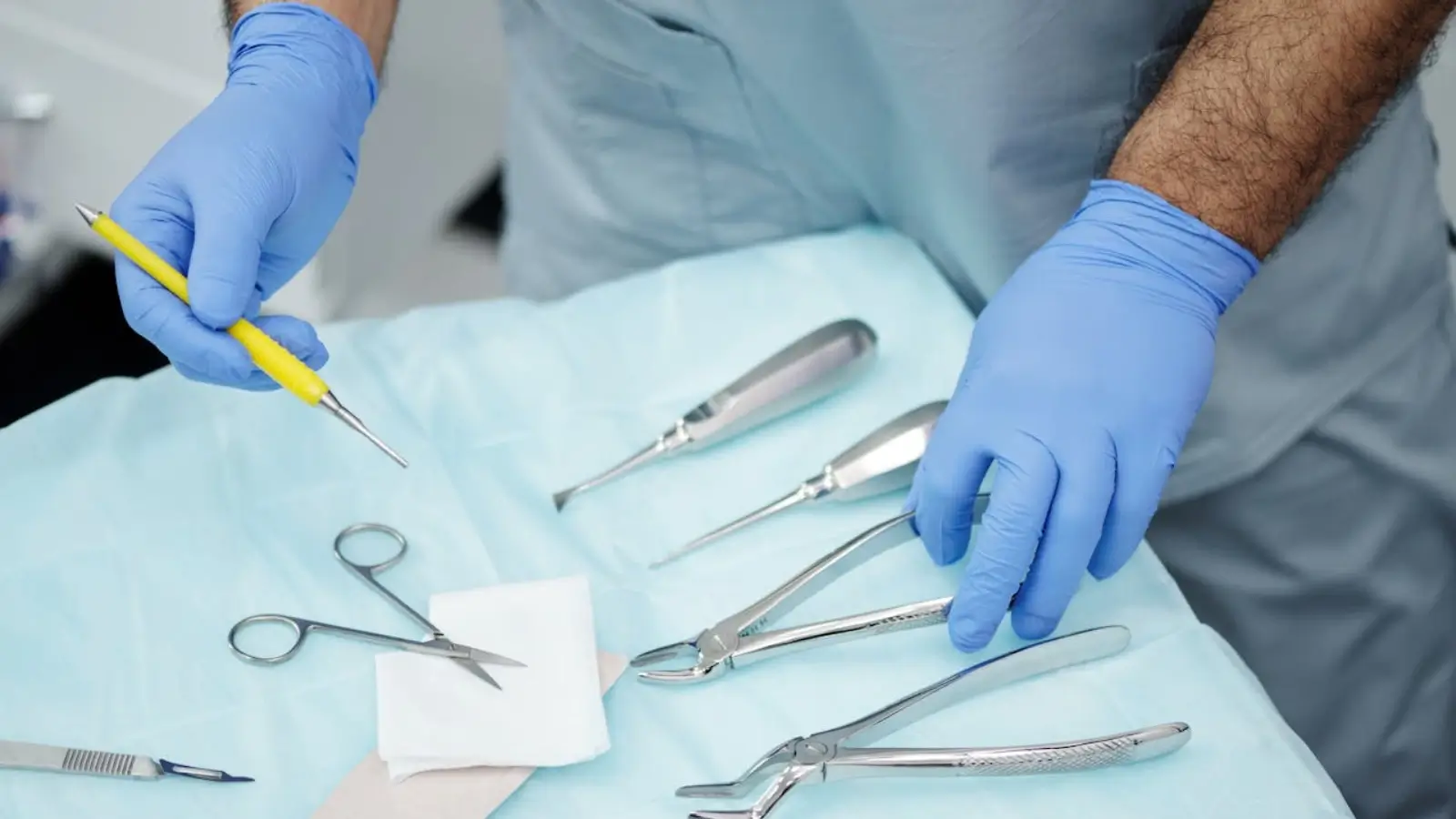
Clinical outcomes in dentistry depend heavily on using appropriate instruments that allow precise, controlled manipulation of dental tissues and materials. Dental tools range from basic hand instruments to specialized devices designed for specific procedures, each engineered for particular clinical applications. Quality instruments can last 10-15 years with proper care, while inferior tools may need replacement within months due to dulling, corrosion, or handle degradation. Understanding instrument design, materials, and application helps practitioners build efficient setups that improve both treatment quality and practitioner comfort during lengthy procedures.
Hand Instrument Fundamentals
Explorers and probes are diagnostic workhorses. The sharp tip of an explorer catches on demineralized enamel and cavity margins, providing tactile feedback that visual examination alone might miss. Different tip angles suit different tooth surfaces. A shepherd's hook explorer works well for occlusal surfaces, while a pigtail explorer accesses interproximal areas more effectively.
Scalers and curettes remove calculus and diseased tissue during periodontal therapy. Scalers have pointed tips and work supragingivally (above the gumline), while curettes have rounded tips for subgingival use. Gracey curettes are area-specific, with each instrument designed for particular tooth surfaces. Universal curettes work on all surfaces but may not adapt as precisely.
Excavators remove decay and shape cavity preparations. Spoon excavators come in various sizes, with larger spoons for bulk removal and smaller ones for precise work near the pulp. The blade angle and shank design affect access to different areas of the mouth.
Ergonomic Considerations
Handle diameter impacts practitioner comfort significantly. Larger-diameter handles (10-12mm) reduce the grip force needed for control, which matters during hour-long procedures. Some manufacturers offer silicone grips that further reduce hand fatigue.
Weight distribution affects instrument control. Well-balanced instruments feel neutral in the hand, requiring minimal effort to maintain position. Poorly balanced tools create unnecessary strain.
The working end angle relative to the handle determines whether an instrument can reach specific areas without awkward hand positions. Posterior teeth often require different angles than anterior teeth.
Material Quality and Longevity
Stainless steel remains the standard for most hand instruments due to its corrosion resistance and ability to hold an edge through multiple sterilization cycles. Different steel grades offer varying hardness levels. Harder steel holds sharper edges longer but can be more brittle.
Some manufacturers use proprietary alloys or coatings to enhance performance. Titanium coatings reduce glare under operatory lighting, which helps reduce eye strain. Surface treatments can also improve corrosion resistance and reduce tissue adhesion.
The junction between the working end and the handle is a common failure point. Instruments that are forged from a single piece of metal are generally more durable than those with welded or brazed joints.
Instrument Sharpening
Dull instruments require more force and provide less tactile feedback. They can also slip more easily, potentially causing soft tissue damage. Regular sharpening maintains efficiency and safety.
Different instruments require different sharpening techniques. Scalers and curettes need specific angles to maintain their cutting edges. Some practices invest in sharpening services, while others train staff to sharpen instruments in-house using stones or mechanical sharpeners.
Business Outstanders brings you sharp insights on tech, business, entrepreneurship, law, crypto, and more. We uncover what’s next. Stay updated, sign up for our newsletter and be part of the future!