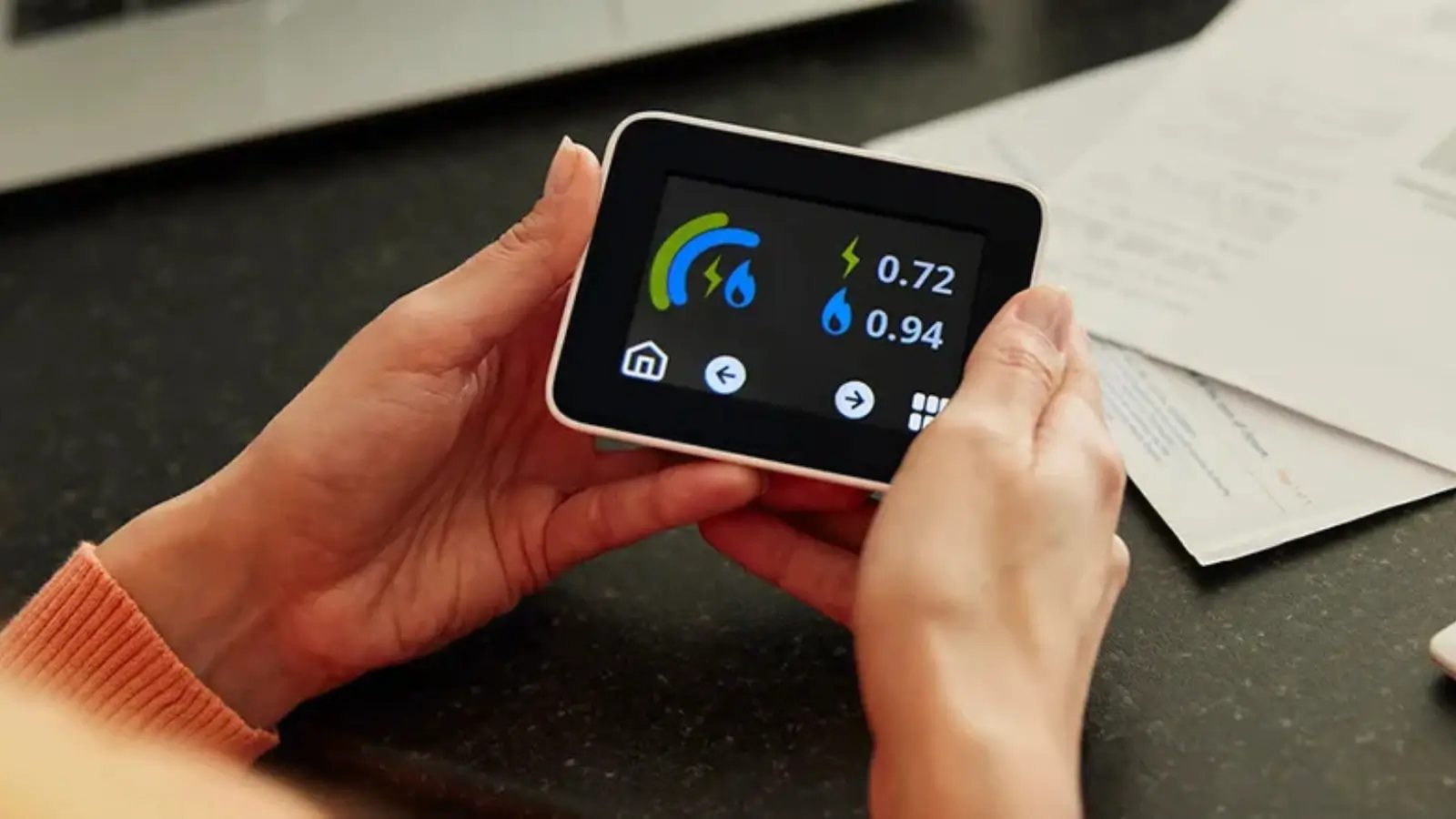
In today’s world, managing energy consumption is more important than ever. From rising electricity prices to growing environmental concerns, households and businesses alike are searching for practical ways to cut unnecessary usage. One of the most effective tools for this is the smart meter energy monitor, which provides real-time insights into how much energy you use and when you use it. By understanding and acting on this information, you can make smarter decisions, reduce power wastage, and save money.
In this article, we’ll explore five practical ways you can use an energy monitoring system to take control of your electricity consumption without sacrificing comfort or convenience.
1. Track and Understand Your Energy Patterns
The first step in reducing power wastage is knowing exactly how you use energy. An energy monitor provides detailed information about your daily, weekly, and monthly electricity consumption. You can see which times of day your usage is highest, helping you identify patterns that may be costing you extra money.
For example, you might notice that your energy use spikes in the evening when you’re cooking dinner, doing laundry, and running multiple appliances at once. By spreading these activities out during the day or shifting them to off-peak hours, you can avoid high tariffs and unnecessary wastage.
The beauty of an energy tracking device is that it turns invisible energy habits into visible data. Once you can see them, you can manage them.
2. Identify Energy-Hungry Appliances
Some appliances are silent energy guzzlers. Items like old refrigerators, inefficient washing machines, or even outdated light bulbs can draw far more electricity than you might expect.
By checking your energy monitor’s breakdown of usage, you can pinpoint which devices are consuming the most power. Many smart systems even allow you to see real-time consumption per appliance, making it easier to identify the culprits.
Once you know which items are responsible, you can decide whether to replace them with energy-efficient alternatives or change how you use them. For example:
-
Upgrade to LED lighting instead of using traditional incandescent bulbs.
-
Replace outdated appliances with A-rated energy-efficient models.
-
Unplug idle devices like chargers, printers, or entertainment systems that continue to draw electricity when not in use.
3. Set Usage Alerts and Goals
Modern energy monitors are not just about passive observation, they're interactive tools. Many allow you to set alerts when your usage exceeds a certain limit or to create goals for reducing consumption.
For instance, if you set a daily limit of 10 kWh, your monitor can notify you if you’re about to exceed it. This real-time feedback encourages immediate action, such as switching off unnecessary lights or delaying the use of high-consumption appliances until later.
You can also turn it into a household challenge, involving family members in hitting energy-saving targets. Gamifying the process not only saves power but also makes everyone more aware of their habits.
4. Adjust Heating and Cooling Efficiency
Heating and cooling account for a large share of electricity bills in many homes, especially in regions with extreme seasonal changes. By using your energy monitor alongside smart thermostats or timers, you can ensure that you’re not heating or cooling spaces unnecessarily.
For example:
-
Programme heating schedules so your system runs only when you’re home.
-
Set the thermostat a degree lower in winter or higher in summer, which can significantly reduce power consumption over time.
-
Close off unused rooms so you’re not wasting energy on spaces you don’t use.
Even small adjustments can add up to substantial savings when guided by accurate consumption data from your monitor.
5. Plan for Long-Term Energy Efficiency
An energy monitor doesn’t just help you save in the short term, it's a tool for planning long-term improvements. By analysing your data over months or years, you can make informed decisions about investments that will pay off in the future.
For instance:
-
Installing solar panels and tracking how they impact your grid consumption.
-
Adding home insulation to reduce heating and cooling losses.
-
Switching to energy-efficient appliances as part of a gradual upgrade plan.
Having historical data makes it easier to justify these investments because you can clearly see how much energy and money they could save over time.
Bonus Tips for Getting the Most Out of Your Energy Monitor
While the five methods above form the core strategies, here are a few extra ways to maximise your energy-saving potential:
-
Reviewing your data regularly once a week is a good habit.
-
Compare seasons to see how weather affects your usage.
-
Educate everyone in the household so they understand how their behaviour impacts the energy bill.
-
Integrate with smart home systems for automated energy-saving actions, such as lights turning off when no one is in the room.
The Bigger Picture: Energy Efficiency and Sustainability
Using an energy monitoring device is not just about saving money, it's about contributing to a more sustainable future. Reducing power wastage lowers the demand on power plants, which in turn reduces greenhouse gas emissions.
When more households adopt smart energy habits, the collective impact can be significant. It’s a small but powerful step towards a cleaner, greener planet.
By taking control of your electricity usage, you’re not just managing your bills, you're also making a conscious choice to live more sustainably.
Final Thoughts
The technology to help us use energy more wisely is already in our hands. Whether you’re a homeowner looking to cut costs or a business aiming to meet sustainability targets, an energy monitor offers valuable insights and practical tools to reduce wastage.
The key is to use the data it provides spot patterns, identify energy-hungry devices, set goals, and plan for efficiency upgrades. Over time, these actions add up, delivering both financial and environmental benefits.
Energy efficiency is no longer a nice-to-have it’s a necessity. By embracing smart monitoring, you’re taking a meaningful step towards a future where power is used thoughtfully and sustainably.
Business Outstanders brings you sharp insights on tech, business, entrepreneurship, law, crypto, and more. We uncover what’s next. Stay updated, sign up for our newsletter and be part of the future!