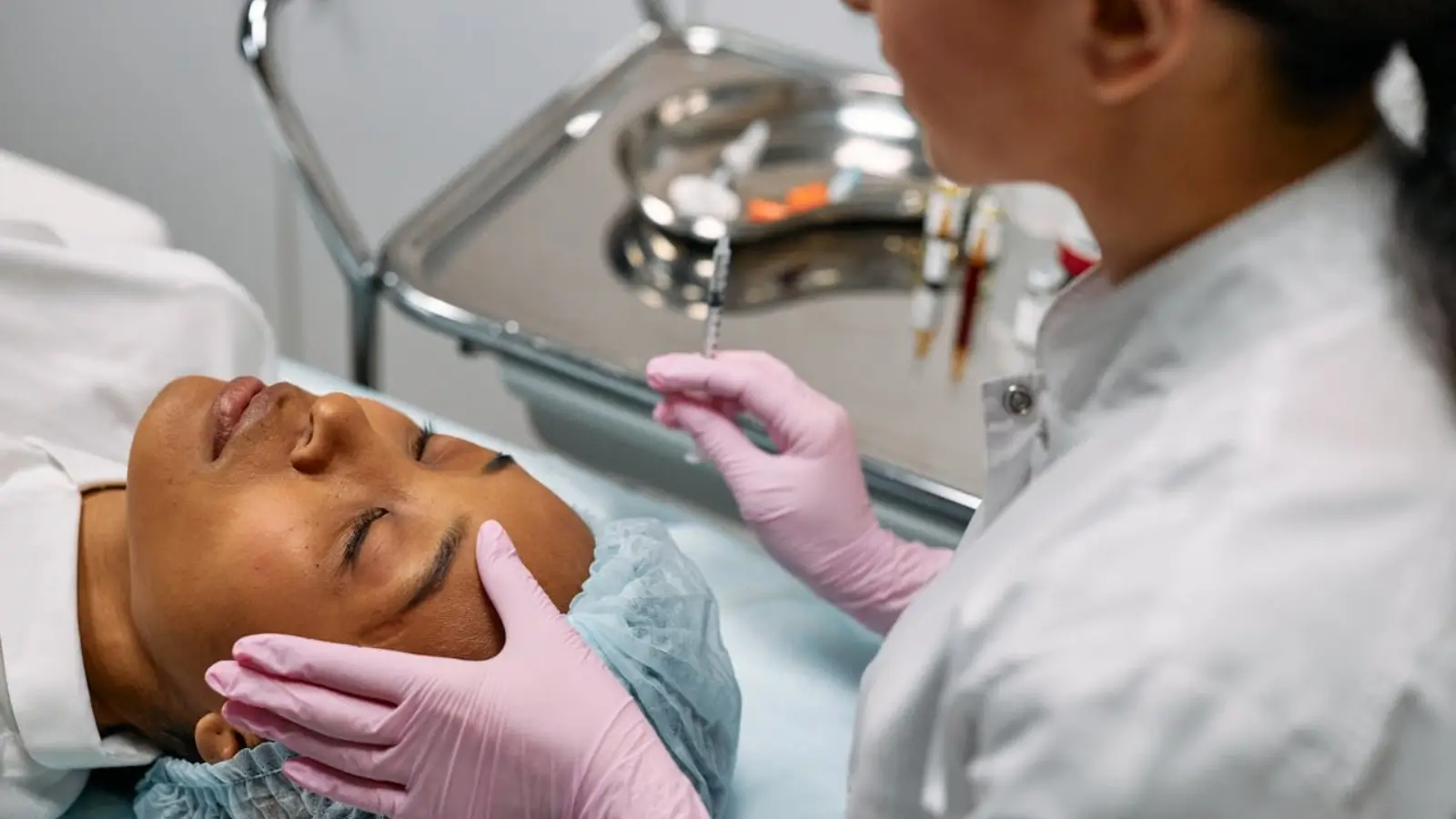
Choosing cosmetic treatments can feel confusing and stressful. Studies show that many people do not fully understand the risks and benefits before deciding on a procedure. This guide will help you learn what questions to ask, what details to look for, and how to make smart choices about your care.
Read on to get clear steps for feeling confident in your decisions.
Understanding Informed Consent in Aesthetic Care
Informed consent helps you make safe choices about your aesthetic treatments. It gives you clear facts so you know what to expect during and after the procedure.
Definition and Core Elements
Informed consent means a patient knows and understands all important details before any aesthetic treatment starts. This includes learning about the procedure, possible risks, expected benefits, recovery time, and other treatment options.
A doctor or provider must use simple words so patients can make choices for themselves. "Consent is not just a signature on paper; it is an ongoing conversation," as some experts say.
Every patient should know their rights to ask questions and get clear answers from their provider. These elements help protect both the patient’s safety and freedom to choose what happens with their body.
Legal and ethical rules also guide this process in cosmetic procedures; these keep the focus on fair care for every person seeking help. Next comes an overview of legal duties and moral standards that providers must follow during consent in aesthetic care.
Legal and Ethical Considerations
Aesthetic care involves legal and ethical considerations that protect both patients and providers. Informed consent is a key part of this process. It means that patients should fully understand their treatment options before agreeing to proceed.
This includes knowing the risks, benefits, and expected outcomes of any cosmetic procedure. Providers must communicate clearly and honestly about these aspects.
Medical ethics also plays a vital role in aesthetic care. Practitioners must respect patient autonomy, allowing individuals to make their own choices regarding treatments. They bear the responsibility of presenting accurate information without pressure or manipulation.
Ethical practice helps build trust between patients and healthcare providers while ensuring safety and well-being during aesthetic treatments.
Key Factors in Making Informed Decisions
Patients must weigh the risks and benefits of treatment options carefully. Open discussions between patients and providers help guide choices that suit individual needs.
1. Evaluating Procedure-Specific Risks and Benefits
Evaluating the risks and benefits of cosmetic procedures is essential. This process helps patients make informed choices about their aesthetic care.
-
Each procedure has unique risks. Understand what could go wrong with your specific treatment.
-
Benefits must also be clear. Know how the procedure can improve your appearance or confidence.
-
Ask for statistics related to success rates. Look for data on how many people achieve desired results.
-
Consider potential side effects. Every treatment can cause reactions, such as swelling or bruising.
-
Discuss long-term effects of procedures. Some changes might not be reversible, so think carefully.
-
Evaluate recovery times. Different treatments require different amounts of downtime before returning to daily life.
-
Talk through alternatives with your provider. There may be other methods to achieve similar goals with fewer risks.
-
Consider emotional impacts too. Aesthetic changes can affect mental health and body image perceptions.
Moving forward requires understanding the importance of a cooling-off period for patient reflection before making decisions.
2. Cooling-Off Periods for Patient Reflection
Cooling-off periods are important in aesthetic care. They give patients time to think about their choices. After consultations, patients should not feel rushed into decisions. This break allows them to reflect on treatment options, risks, and benefits.
During this time, patients can gather more information or discuss with family and friends. It helps ensure they fully understand their choices before moving forward. Clear communication is key during these periods, as it empowers patient autonomy and supports informed decision-making in aesthetic procedures.
Next comes the role of technology in helping patients make informed decisions.
3. Shared Decision-Making Between Patients and Providers
Shared decision-making is key in aesthetic care. It supports open talks between patients and providers. Both sides share their views and concerns. Patients voice their needs while providers offer expert advice.
Making informed aesthetic care decisions requires thorough research and open communication with your provider.
This teamwork helps to find the best treatment options.
Understanding risks and benefits is essential too. Patients should know what to expect from procedures like cosmetic surgery or aesthetic treatments, and reputable clinics such as Philadelphia Plastic Surgery emphasize transparent communication to support fully informed decisions. Providers must provide clear information about each option available.
This way, patients can make informed choices that match their goals and values. Next, we will look at special considerations for diverse patient groups.
Special Considerations for Diverse Patient Groups
Communication is key when working with diverse patients. Clear language and visuals can help everyone feel more comfortable and informed about their choices.
Addressing Language Barriers
Language barriers can make it hard for patients to understand aesthetic care. Clear communication is key for informed consent. Providers should use simple language and avoid medical jargon.
Offering translation services helps patients feel more comfortable.
Visual aids can also support understanding. Pictures or diagrams explain procedures better than words alone. A skilled provider will ensure that all questions are answered clearly.
This approach boosts patient confidence in their treatment options and promotes better decision-making about cosmetic procedures.
Tailoring Communication for Unique Needs
Patients have different needs and backgrounds. Communicating clearly is very important in aesthetic care. Some may speak a different language or have unique health issues. It is crucial to address these barriers.
Using simple words helps patients understand their options better. Providing translations can also make a big difference. Listening to concerns shows respect and builds trust. Doctors should adjust their approach based on each patient's situation for effective education about risks and benefits of cosmetic procedures.
The Role of Technology in Enhancing Informed Decisions
Technology can help patients make better choices. Digital tools can simplify the consent process and improve understanding of procedures.
Benefits of Digital Consent Tools
Digital consent tools simplify the process for both patients and providers. They allow patients to read about cosmetic procedures online at their own pace. This makes it easier to understand risks, benefits, and treatment options.
Patients can ask questions immediately or later if they prefer.
Online tools also keep records safe and organized. This means no more losing paper documents. With digital methods, everything is stored in one place. Many find this method quicker than using paper forms.
These tools enhance patient education and support informed decision-making in aesthetic care.
Comparing Digital vs. Paper Consent Methods
Digital and paper consent methods both help patients understand procedures. The table below shows how they compare.
|
Feature |
Digital Consent |
Paper Consent |
|---|---|---|
|
Accessibility |
Available on smartphones, tablets, and computers at home or in clinics |
Requires physical presence for review and signing |
|
Language Options |
Supports multiple languages and translations instantly |
Limited to printed versions on hand; harder to update |
|
Comprehension Aids |
Offers videos, diagrams, and interactive elements for better understanding |
Generally limited to printed text and images |
|
Up-to-Date Content |
Easy to update with the latest legal or medical information |
May have outdated information if not reprinted regularly |
|
Data Security |
Can be encrypted and securely stored on servers |
Prone to loss, damage, or unauthorized access |
|
Confirmation and Tracking |
Provides digital timestamps and audit trails for records |
Relies on manual signatures and filing systems |
|
Environmental Impact |
Reduces paper waste and printing needs |
Consumes paper and ink; creates more physical waste |
|
Patient Comfort |
Enables private review at home |
Requires discussion and signing during office visits |
|
Cost |
Initial setup may be higher but saves money over time |
Ongoing expense for printing and storage supplies |
Conclusion
Making informed decisions about aesthetic care is key to a positive experience. Patients should know their options and understand the risks involved. Open communication with providers helps build trust and ensures everyone is on the same page.
Technology can also help streamline the consent process and improve understanding. Take your time, ask questions, and prioritize your needs for better outcomes in cosmetic procedures.
Business Outstanders brings you sharp insights on tech, business, entrepreneurship, law, crypto, and more. We uncover what’s next. Stay updated, sign up for our newsletter and be part of the future!