Hydraulic systems are the unsung bodybuilders of modern industry. They’re the ones flexing behind those mighty machines that make construction and manufacturing possible. With the power to move mountains (or at least very big metal things), hydraulics use pressurized fluid to do the heavy lifting. But let these powerhouses go down for the count, and suddenly, your operation is as stalled as a car with no gas. Cue expensive delays and repair showdowns.
Want to avoid hydraulic heartbreak? You’ll need to get familiar with why these systems fail in the first place. Spotting the red flags early means you can save your machines, spare your team from headaches, and keep those costly interruptions at bay. We’re about to break down the usual suspects behind hydraulic disasters. We’ll reveal why speed is your secret weapon when things go sideways.
A handful of usual suspects are responsible for most hydraulic meltdowns. Know them well, and you’ll be ready to outsmart problems before they snowball into full-blown disasters.
1. Contamination
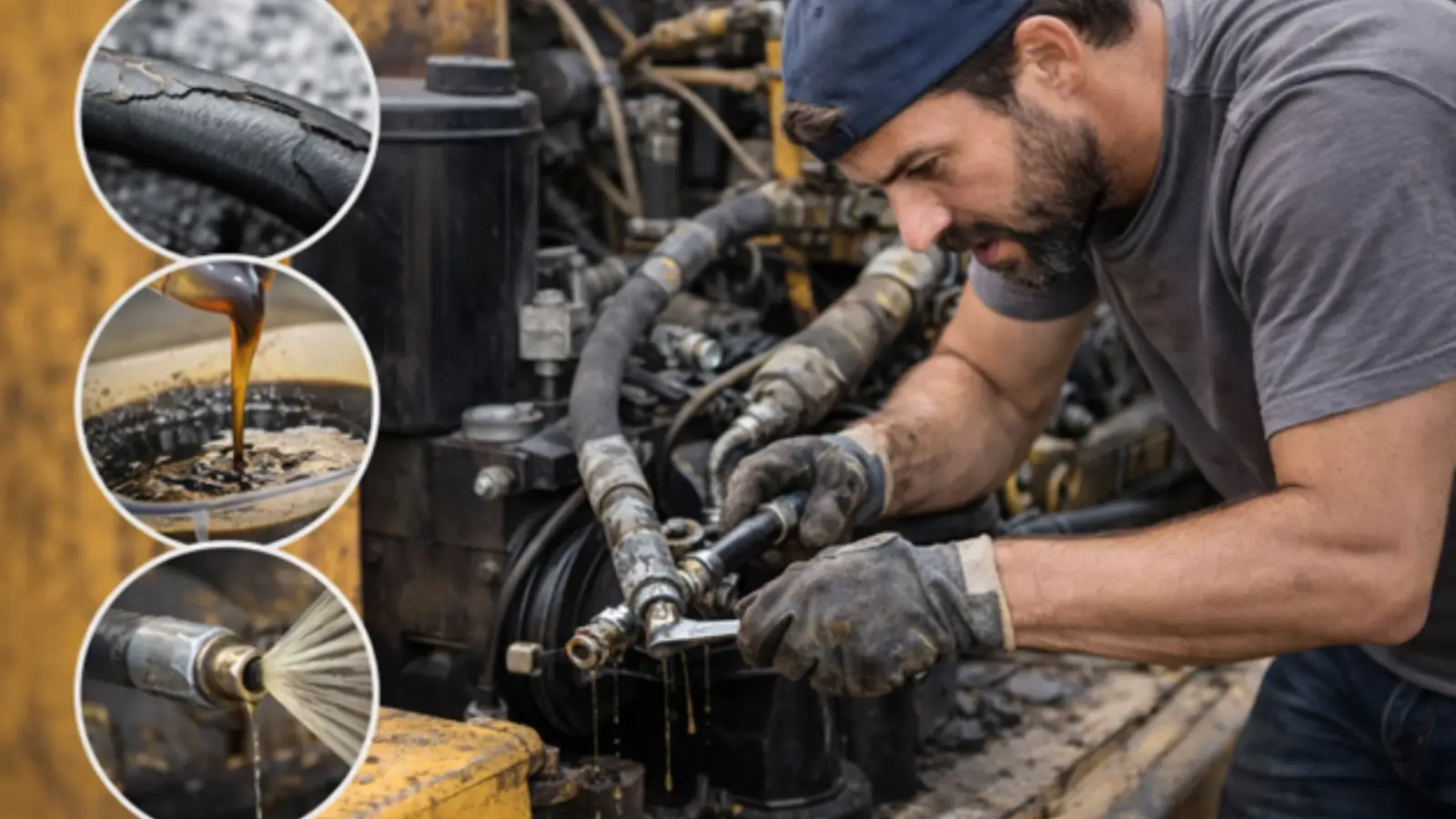
Think of contamination as the villain that crashes the hydraulic party. When unwanted guests (like dirt, rogue water droplets, or sneaky metal bits) invade the hydraulic fluid, they begin a campaign of slow sabotage on pumps, valves, and cylinders. Internal wear sneaks up, performance limps along, and leaks start popping up everywhere. All thanks to tainted fluid. The fix? Become best friends with your filters and schedule regular fluid checkups. Cleanliness isn’t just polite. It’s your hydraulic system’s security detail.
2. Overheating
Hydraulics, much like us, don’t perform their best when overheated. Sure, some heat is normal, but let things get steamy and you’re courting trouble. Toasty temps break down the fluid, strip away protection, and leave hoses and seals cracking under the pressure (literally). Whether an ambitious workload or a lazy cooling system is to blame, unchecked heat leads to leaks and pressure dips. The moral? Watch those gauges and keep things chill. Your machinery will thank you.
3. Cavitation
Ever hear a hydraulic system make a noise like it swallowed a kazoo? That could be cavitation. The rude shock of bubbles forming when pressure takes a nosedive. These vapor bubbles don’t last long. As soon as they hit high pressure, they implode, chewing up internal parts with micro-sized fury, especially pumps. You’ll spot cavitation if your system is whining or rattling like it needs a snack. Don’t ignore the noise. Act before the tiny bubbles unleash big damage.
4. Seal Failures
Seals are like the loyal bouncers of your hydraulic system, keeping precious fluid in and shady contaminants out. But bouncers have their limits. Throw enough pressure, heat, or nasty chemicals at them, and they’ll tap out. Seal failures can lead to messy external leaks (great for oil paintings, not for safety) and invisible internal leaks that quietly sap performance. Keep a lookout, because whether the failure is obvious or sneaky, it spells trouble for your hydraulics.
The Importance of Quick Repair
Hear an odd clatter? Spot a drip? Notice performance dragging? Don’t wait for a full-blown crisis. Tackle hydraulic hiccups the moment they pop up. Fast hydraulic repair in Deer Park, TX, prevents small issues from snowballing into wallet-draining nightmares. By hopping on repairs early, you cut down on downtime, lower repair bills, and save your team from unnecessary risks. In the world of hydraulics, fast action is the ultimate power move.
Business Outstanders brings you sharp insights on tech, business, entrepreneurship, law, crypto, and more. We uncover what’s next. Stay updated, sign up for our newsletter and be part of the future!