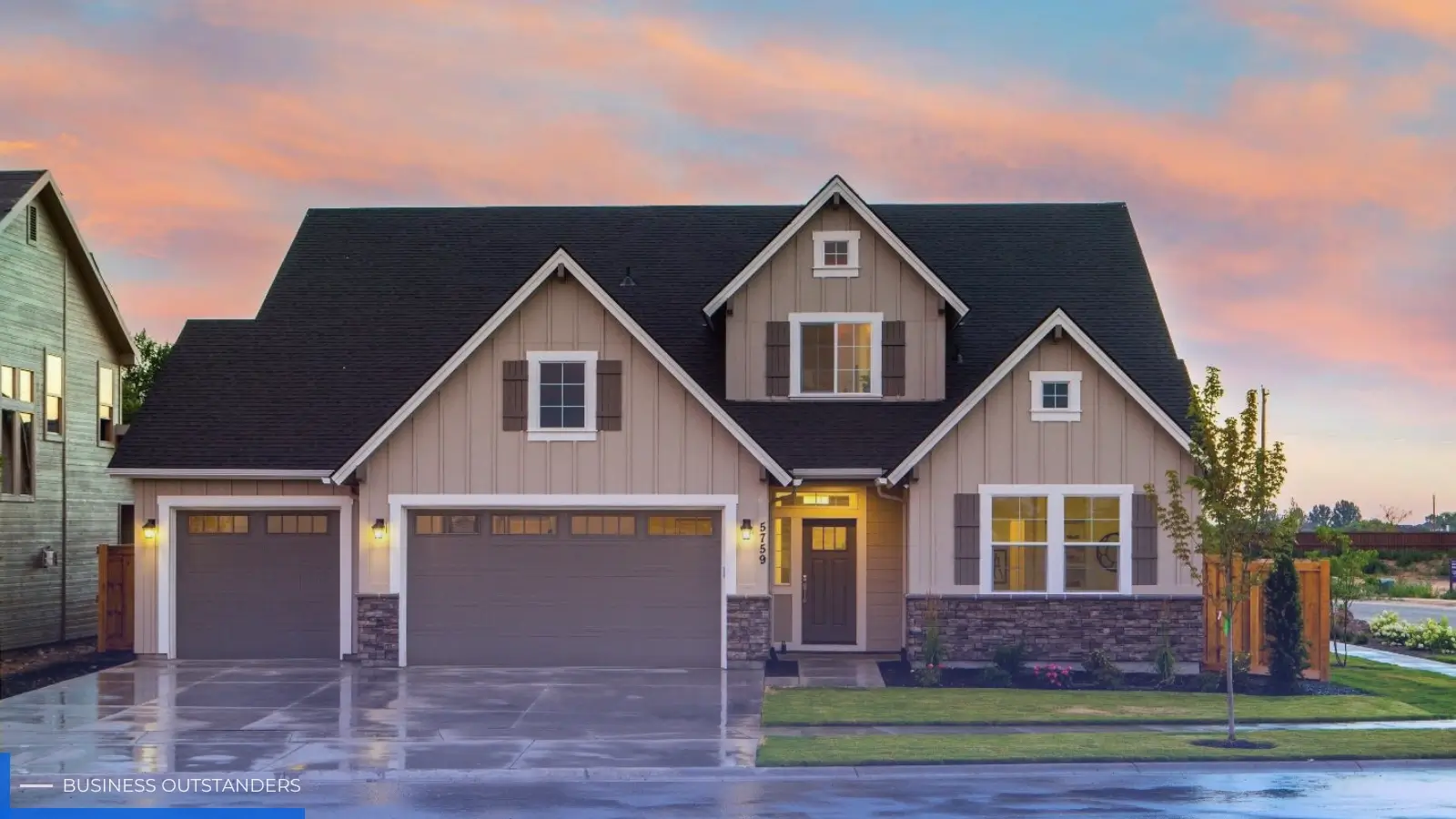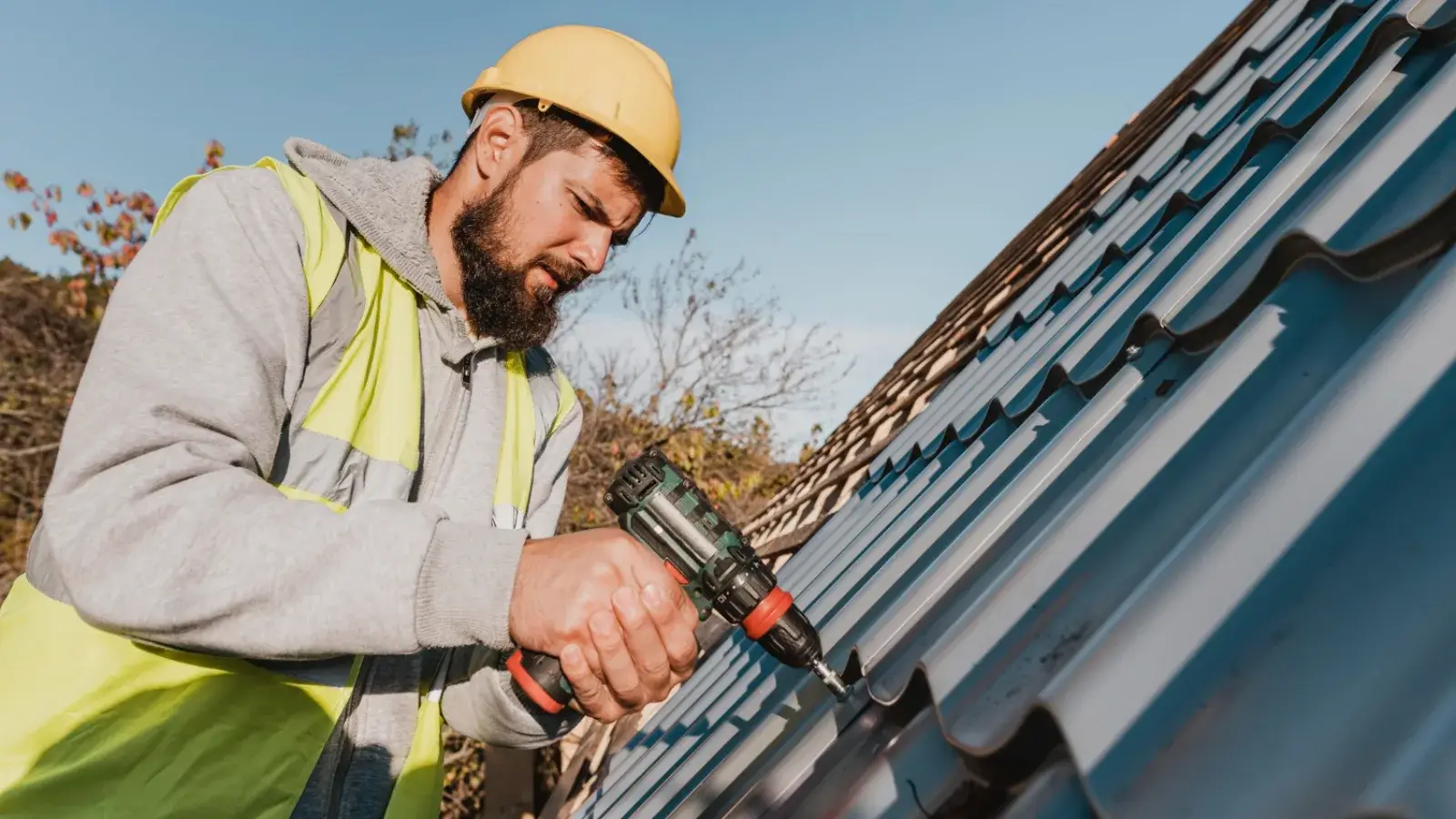
When most people think about a roof replacement, they imagine tearing off old shingles and laying down new ones. However, a successful roofing project involves more than just swapping out worn materials. We will explore the importance of ventilation during a roof replacement and how it directly impacts the durability and efficiency of the entire system. Roofs are part of a more extensive network that protects the home from moisture, heat, and weather. If air can’t circulate properly in the attic space, the consequences can be mold, sagging rooflines, higher energy bills, and shortened lifespan. Proper ventilation aims to allow hot air to escape and fresh air to enter in a controlled flow. It’s a quiet but essential part of the process, ensuring your investment is protected from within. Ignoring ventilation needs can undo all the good a new roof promises, no matter how well it’s installed.
More Than Just Shingles and Nails
-
Understanding How Roof Ventilation Works
Roof ventilation systems operate on a simple principle: allow cool, fresh air to enter through intake vents at the soffits or eaves and enable warm, humid air to escape through exhaust vents at the ridge or gables. This continuous airflow helps maintain a balanced attic temperature, preventing moisture buildup and reducing the load on your HVAC system. Heat can build up in unventilated attics during summer, sometimes exceeding outdoor temperatures by 30 degrees or more. It radiates downward without a way to release that heat, forcing air conditioners to work harder and increasing cooling costs. In winter, poor ventilation can trap moisture from daily household activities like cooking and bathing, which can condense on attic surfaces and lead to mold or wood rot. Ventilation also plays a critical role in preventing ice dams—those damaging ridges of ice that form when snow melts and refreezes at the eaves. Ventilation stops uneven melting on the roof surface by keeping attic temperatures closer to the outside.
-
Why Roof Replacement Is the Right Time to Address Ventilation
Replacing a roof is the perfect opportunity to evaluate the home’s current ventilation and make improvements. Tearing off old materials exposes the decking, rafters, and ventilation channels, making it easier to assess whether airflow is adequate or if vents are blocked or missing entirely. Many older homes were built before ventilation standards were widely enforced, and their systems may be undersized or improperly configured. Even newer homes can have blocked soffits, misaligned vents, or inadequate exhaust, leading to poor air circulation. A thorough inspection during the replacement process can uncover signs of previous damage, like stained rafters or deteriorated insulation, that point to ventilation problems. Making these fixes while the roof is open prevents future complications that could lead to costly repairs. It also allows the roofing team to install modern ventilation components that meet updated building codes and energy efficiency standards. Addressing ventilation during replacement isn’t just smart—it’s preventive maintenance built into the upgrade.
-
Types of Roof Ventilation and How They Are Used Together
Ventilation systems often rely on a combination of intake and exhaust vents to create the proper airflow. Intake vents are usually found at the lowest points of the roof, such as soffit or edge vents. These allow fresh, outside air to enter the attic space. Exhaust vents are placed near the roof’s highest point—typically along the ridge line. Ridge vents are popular, providing continuous exhaust along the peak while remaining visually subtle. Depending on the roof's layout, other systems might use gable vents or powered fans. The key is balance; exhaust vents will not function correctly without enough intake, and vice versa. The ideal system moves air uniformly across the attic space, ensuring no pockets of heat or moisture are trapped. During a roof replacement, your contractor will evaluate which system works for your home’s architecture. Coordination between ventilation and insulation is critical to prevent heat buildup or moisture from being sealed below the roofing layer. These systems work quietly and continuously when adequately aligned to maintain roof health.
-
Hidden Costs of Poor Ventilation After a Roof Replacement
Many homeowners assume installing a new roof will immediately solve problems like temperature imbalance or indoor moisture. However, if ventilation is not addressed during the installation, these problems can persist and worsen. Inadequate ventilation causes shingles to age faster due to excess heat exposure from the attic side, which reduces the life expectancy of roofing materials and voids many manufacturer warranties. Moisture buildup can lead to warped decking, sagging ceilings, and compromised insulation. Over time, these issues result in mold growth, indoor air quality concerns, and structural damage that costs far more to fix than preventive measures would have during the replacement. Working with a roof replacement contractor who emphasizes proper ventilation ensures the job goes beyond surface-level repairs. Their role isn’t just to install materials and assess how the entire system will function together. That approach helps prevent hidden problems that slowly damage your investment from the inside out.
Proper roof ventilation might not be the most visible part of your new roof, but it is one of the most important. It ensures your attic stays dry, your roof materials last longer, and your home maintains energy efficiency across all seasons. By including ventilation as a key part of the replacement process, you’re not just installing new shingles but improving how your entire home breathes. This proactive step pays off in fewer repairs, lower energy costs, and greater peace of mind. As building standards evolve, so does our understanding of how airflow, moisture, and temperature affect the structure above our heads. Ventilation is the silent partner in every successful roof replacement. When done right, it extends the life of your roof and enhances the comfort of every room below it. So the next time you think about a new roof, look beyond what’s on the surface—because absolute protection starts with what’s happening underneath.
Business Outstanders brings you sharp insights on tech, business, entrepreneurship, law, crypto, and more. We uncover what’s next. Stay updated, sign up for our newsletter and be part of the future!