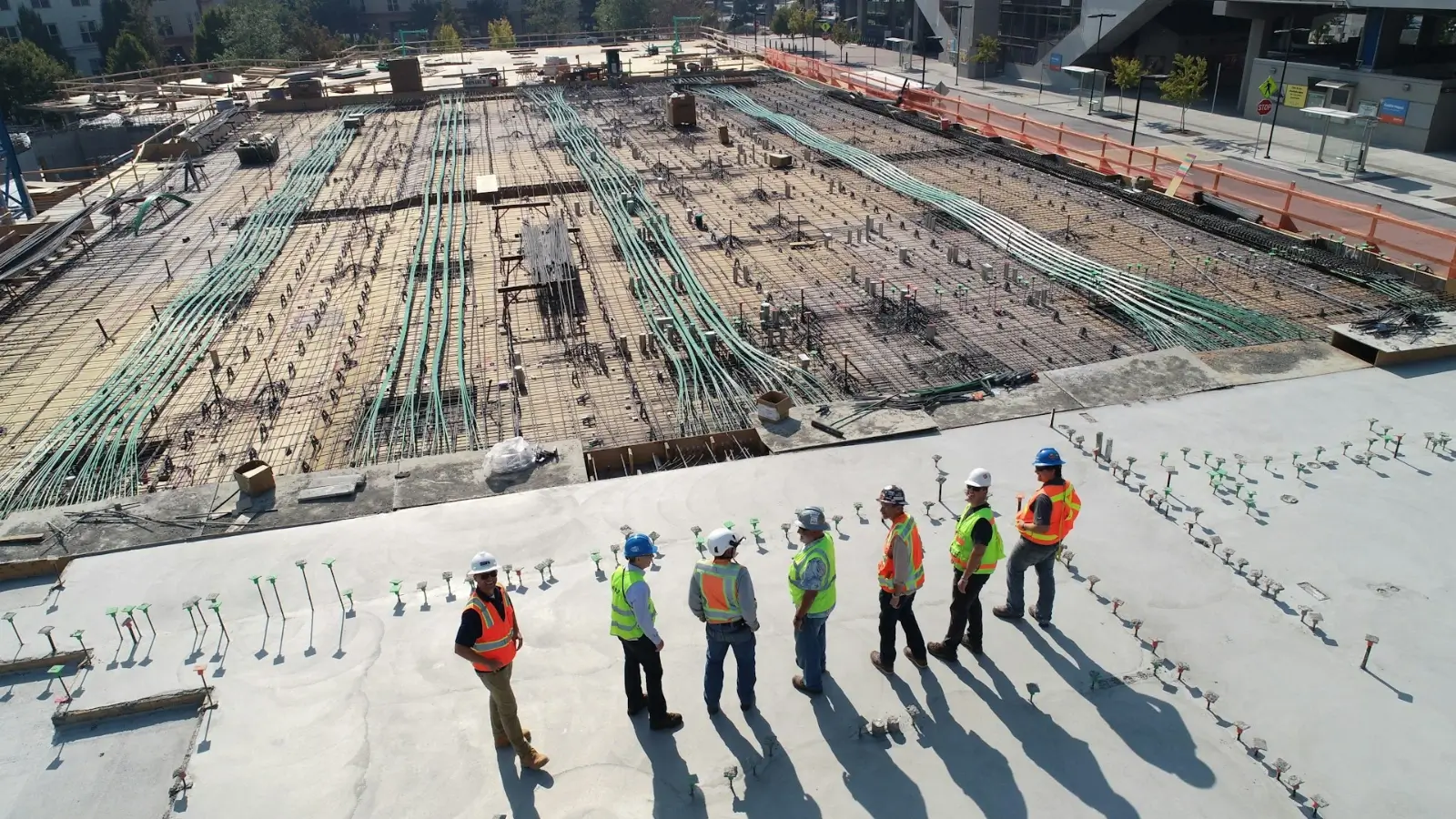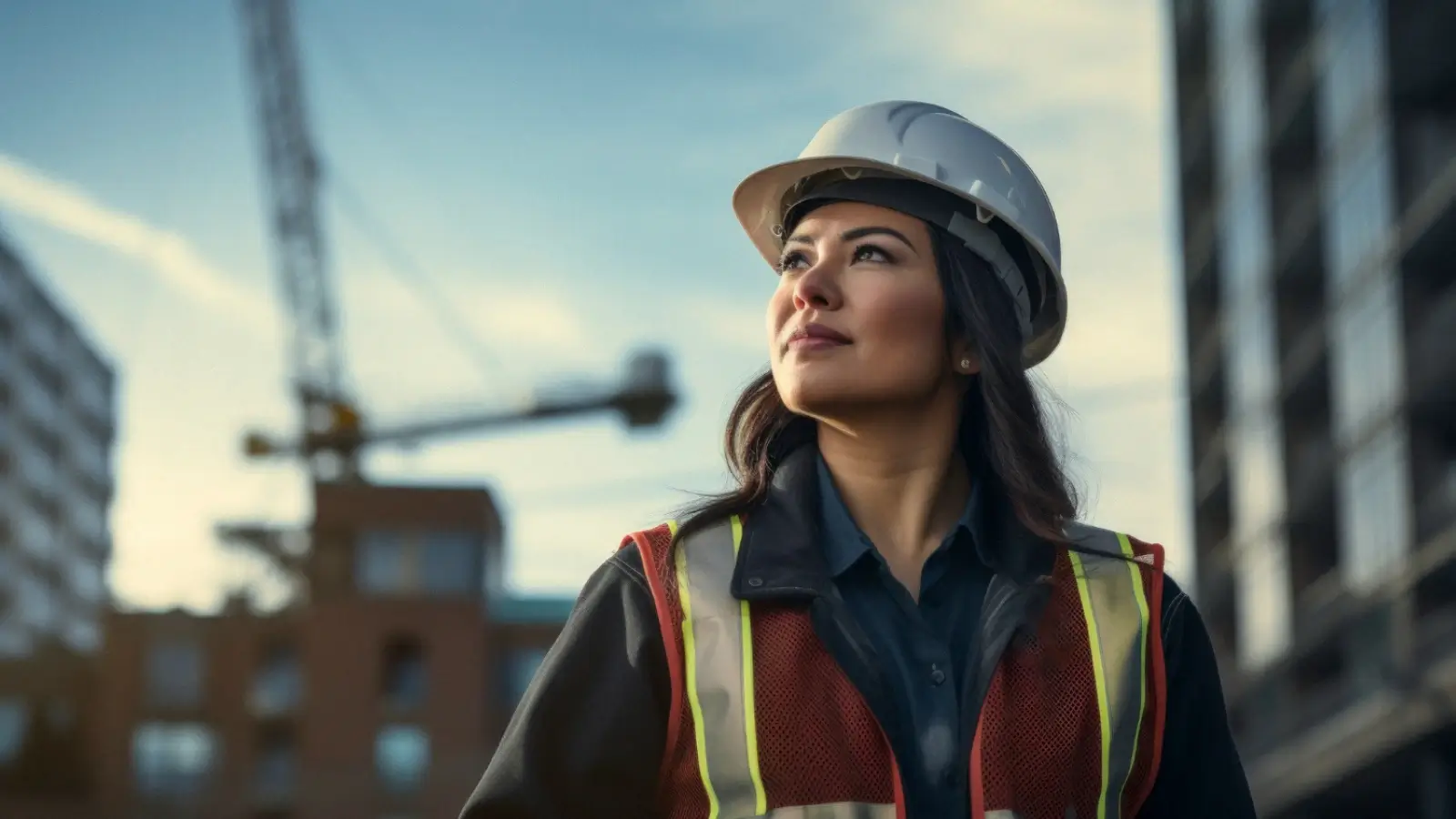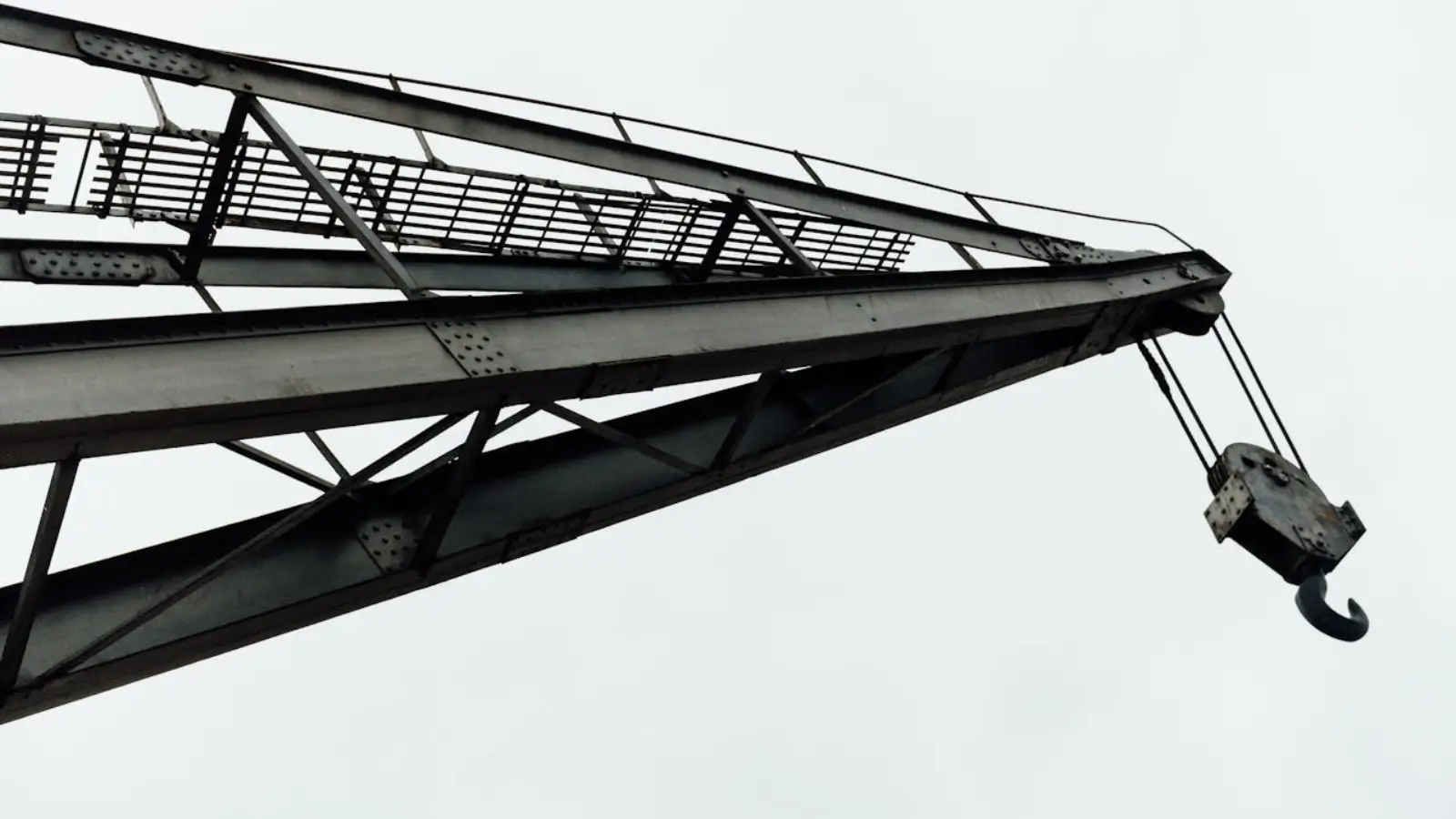
Complex construction projects are rarely just about building something tall or heavy. They’re about timing, precision, safety, and coordination—often all at once. Whether it’s lifting steel beams into place, installing large equipment, or positioning materials in tight spaces, many tasks simply can’t be done by hand or with standard machinery.
This is where crane hire quietly becomes a problem-solver. Cranes don’t just lift heavy loads; they enable projects to move forward smoothly when gravity, scale, or access would otherwise slow everything down.
Why Some Tasks Need More Than Manpower
There’s a natural limit to what people and small equipment can handle.
In construction, materials are often large, awkward, and extremely heavy. Trying to move them without proper lifting equipment increases risk, time, and cost.
Think about moving house. A couch might fit through the door, but a piano often needs specialised lifting. Construction works the same way—certain items require tools designed specifically for the job.
Crane hire provides that capability without forcing projects to invest in permanent equipment they may only need temporarily.
Precision Lifting Where Accuracy Matters
Cranes aren’t just powerful—they’re precise.
Modern cranes allow operators to position loads with remarkable accuracy. This matters when placing steel components, prefabricated panels, or mechanical equipment that must align perfectly.
In manufacturing, robotic arms are used for precision assembly because human hands can’t consistently achieve the same accuracy at scale. Cranes deliver the same level of controlled movement for construction and installation tasks.
Accurate placement reduces rework and protects materials from damage.
Supporting Safer Worksites
Safety is one of the biggest advantages of crane hire.
Lifting heavy objects manually or with improvised methods puts workers at risk. Cranes reduce the need for unsafe handling by keeping loads controlled and elevated only when necessary.
In logistics and warehousing, forklifts are used to prevent injuries and improve efficiency. Cranes serve a similar purpose on construction sites—moving heavy items without exposing people to unnecessary danger.
Understanding how a crane operates helps explain why these machines are designed to manage weight safely while maintaining stability.
When safety improves, confidence and productivity follow.
Accessing Hard-to-Reach Areas
Some installation tasks aren’t just heavy—they’re awkward.
Materials may need to be lifted over buildings, placed on rooftops, or positioned in confined areas. Cranes provide vertical and horizontal reach that other equipment can’t match.
In film production, camera cranes allow smooth shots from angles that would otherwise be impossible. Construction cranes offer the same advantage, but for physical materials instead of visuals.
This reach allows work to continue even when access is limited.
Keeping Projects on Schedule
Time delays are expensive.
When materials can’t be moved efficiently, entire project timelines can slip. Crane hire helps keep work flowing by enabling large lifts to be performed quickly and safely.
In event staging, delays in setup affect everything that follows. Construction operates on the same principle—one stalled task can impact many others.
By enabling fast, coordinated lifts, cranes help maintain momentum across the site.
Supporting a Wide Range of Industries
Crane hire isn’t limited to large commercial builds.
It supports:
-
Steel installation
-
Mechanical and plant installation
-
Warehouse and industrial construction
-
Infrastructure and civil works
-
Maintenance and replacement tasks
Even industries outside construction rely on cranes. In renewable energy, turbines require precise lifting. In shipping, cranes move containers efficiently. Across sectors, the principle is the same—lifting capability enables scale.
This versatility makes crane hire a practical solution rather than a specialised luxury.
Adapting to Different Project Requirements
Every project is different.
Load weights vary. Site access changes. Lift heights differ. Crane hire allows teams to select equipment that matches the specific task rather than forcing a one-size-fits-all approach.
In software development, tools are chosen based on project needs, not habit. Construction benefits from the same flexibility.
Choosing the right crane improves efficiency without overcomplicating the job.
Reducing Wear on Materials and Equipment
Improper lifting doesn’t just endanger people—it damages materials.
Crane-assisted lifting keeps loads stable, reducing impacts, dragging, or bending that can occur with makeshift handling methods.
In automotive transport, vehicles are lifted and secured to prevent damage during movement. Construction materials deserve the same care.
Better handling preserves quality and reduces replacement costs.
Coordination and Skilled Operation Matter
Cranes don’t work in isolation.
Successful lifting requires coordination between operators, riggers, site supervisors, and installers. Communication ensures loads move safely and land exactly where needed.
In aviation ground operations, coordination keeps aircraft, crews, and equipment working smoothly. Crane operations rely on that same teamwork.
Professional crane hire includes experienced operators who understand this coordination—not just the machinery.
When Crane Hire Makes the Biggest Difference
Crane hire becomes especially valuable during:
-
Steel erection phases
-
Installation of large mechanical units
-
Structural upgrades or replacements
-
Tight-access urban projects
At the stage where heavy lifting, precision, and safety intersect, many project managers choose to hire a crane with ESP Steel to support complex tasks without compromising timelines or safety.
The right lifting solution often determines how smoothly the rest of the project unfolds.
Cost-Effective Without Long-Term Commitment
Owning a crane is expensive and impractical for most projects.
Hire allows access to high-capacity equipment only when it’s needed. This keeps costs predictable and avoids long-term maintenance or storage concerns.
In business operations, outsourcing specialised tasks is often more efficient than owning every tool. Crane hire follows that same logic.
It’s access without excess.
Supporting Quality Outcomes, Not Just Speed
Speed matters, but quality matters more.
Crane hire supports careful, controlled installation rather than rushed manual handling. This improves alignment, reduces damage, and supports long-term performance.
In construction, quality built in early reduces maintenance later. Cranes help ensure materials are placed correctly the first time.
That attention to detail pays off long after the lift is complete.
Final Thoughts: Lifting More Than Just Materials
Crane hire supports complex construction and installation tasks by combining strength, precision, and safety into one solution.
It allows projects to overcome physical limitations, maintain schedules, and protect both people and materials. While cranes may only be on site for a short time, their impact lasts throughout the life of the structure.
In the end, crane hire doesn’t just lift heavy loads—it lifts the entire project to a level of efficiency and reliability that would be difficult to achieve otherwise.