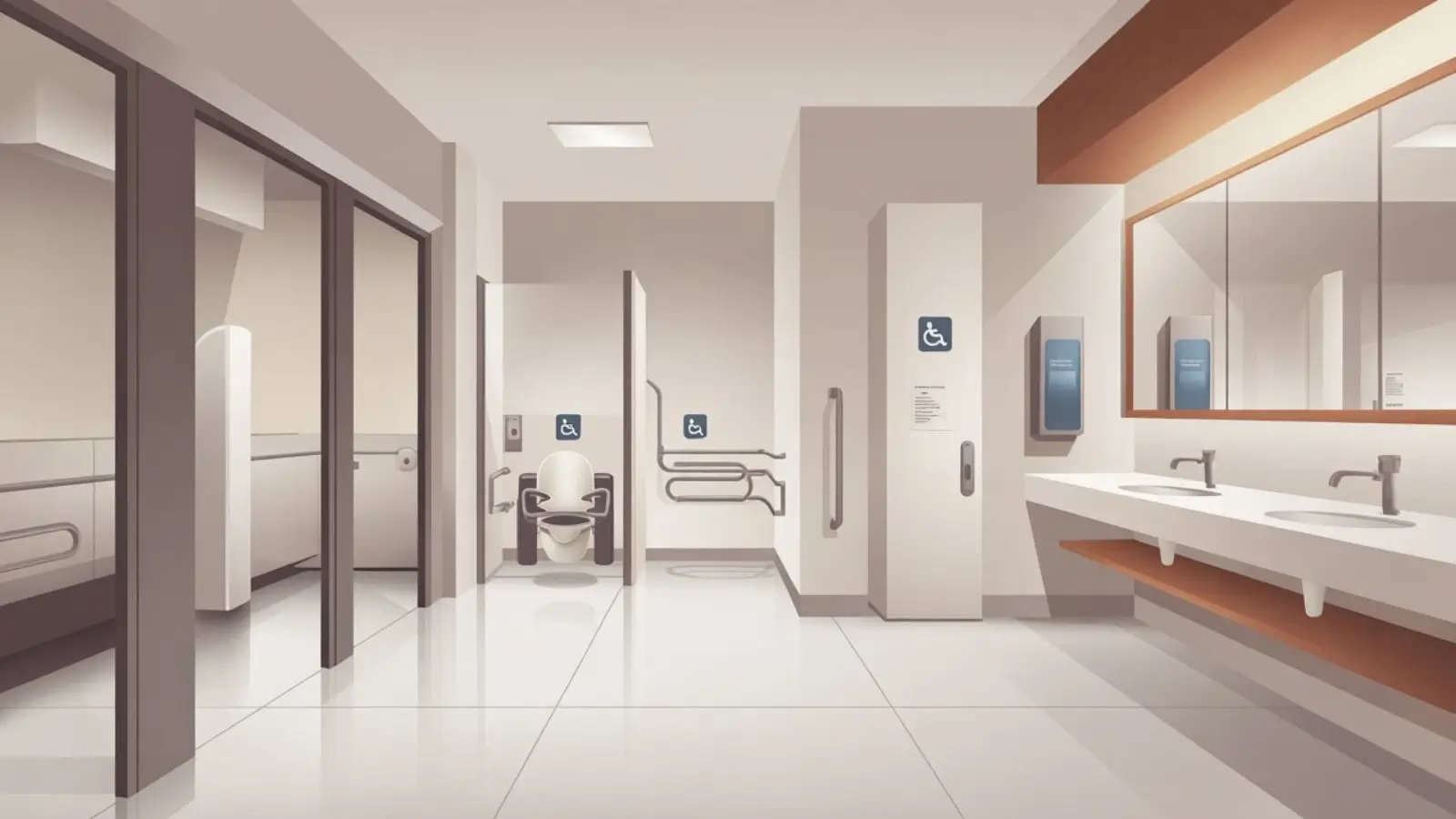
In the world of architecture, construction, and design, accessibility isn't just a buzzword; it's a fundamental principle that shapes inclusive environments. When it comes to washrooms, often considered one of the most private and essential spaces, getting the design right is paramount. It’s not merely about meeting minimum code requirements; it’s about understanding the nuances that transform a compliant space into one that offers genuine comfort, dignity, and independence for every user. This guide delves into the critical aspects of barrier free washroom dimensions, moving beyond basic regulations to foster truly thoughtful and functional designs.
The challenge lies in balancing aesthetics, practicality, and strict regulatory standards. While codes provide a baseline, truly excellent building design integrates these requirements seamlessly, ensuring that accessibility enhances, rather than detracts from, the overall user experience. For professionals like you, who are at the forefront of creating the built environment, mastering these dimensions is crucial.
Why Barrier-Free Washroom Dimensions Matter More Than You Think
Consider the impact of a poorly designed washroom on an individual with mobility challenges. A few inches too narrow, a grab bar placed incorrectly, or an unthinking layout can turn a simple trip to the washroom into a frustrating, even impossible, ordeal. Conversely, a well-executed design promotes independence and reflects a commitment to inclusivity, which is increasingly a hallmark of sustainable construction and responsible architectural specifications.
This isn't just about wheelchairs. Accessibility extends to people with walkers, parents with strollers, individuals with temporary injuries, or those who simply need more space. Understanding the core principles behind barrier-free design allows us to create spaces that serve a broader demographic, improving the experience for everyone.
Decoding the Critical Barrier-Free Washroom Dimensions
Let’s break down the key areas where precise dimensions make all the difference. While specific codes like ADA (Americans with Disabilities Act) in the US, or local building codes, provide exact measurements, the underlying principles remain consistent.
1. Clear Floor Space: The Unsung Hero of Maneuverability
The concept of clear floor space is perhaps the most critical. It’s the unobstructed area required for a person using a wheelchair or other mobility device to approach and use a fixture.
-
Turning Space: A common requirement is a 60-inch diameter circle or a T-shaped turning space within the washroom. This allows a wheelchair user to turn 180 degrees. Without adequate turning space, even reaching a fixture becomes impossible.
-
Approach to Fixtures: Each fixture (toilet, lavatory, urinal, shower) requires specific clear floor space in front or to its side for proper approach and transfer. For example, a toilet often requires clear floor space adjacent to it for side transfers.
2. Toilet Compartments: More Than Just a Stall
Accessible toilet compartments demand careful planning.
-
Size: Standard accessible stalls are typically 60 inches wide by 56 or 59 inches deep (depending on wall-mounted or floor-mounted toilets). This size accommodates the turning radius and clear floor space needed alongside the toilet.
-
Doors: Outward-swinging doors are preferred to maximize interior clear floor space. If an in-swinging door is used, additional space is required within the stall. Door clear opening width should be at least 32 inches.
-
Grab Bars: These are essential. Side grab bars are typically 42 inches long, mounted 12 inches from the rear wall and extending at least 54 inches from the rear wall. Rear grab bars are usually 36 inches long, centered on the toilet. Placement and mounting height (usually 33-36 inches from the floor) are critical for support during transfers.
3. Lavatories (Sinks): Ensuring Reach and Under-Clearance
Accessible sinks allow both forward and parallel approach.
-
Knee and Toe Clearance: A minimum of 27 inches of knee clearance height, 30 inches width, and 11-17 inches depth is typically required under the lavatory to allow a wheelchair user to get close enough.
-
Rim Height: The lavatory rim or counter surface should be no higher than 34 inches from the floor.
-
Faucets: Lever-operated, push, touch, or sensor-activated faucets are necessary, requiring minimal force to operate.
-
Mirrors: Mirrors must be mounted with the bottom edge of the reflecting surface no higher than 40 inches from the floor, or tilted for visibility from a seated position.
4. Urinals: Specific Considerations
For washrooms including urinals:
-
Rim Height: The rim of an accessible urinal should be no higher than 17 inches from the floor.
-
Clear Floor Space: A clear floor space of 30 inches by 48 inches is required in front of the urinal.
-
Grab Bars: While not always mandatory for urinals, a grab bar on each side can significantly enhance usability.
5. Showers: Roll-in vs. Transfer
Accessible showers come in two main types, each with specific barrier free washroom dimensions.
-
Roll-in Showers: These are typically 60 inches wide by 30 inches deep, with a level entry (no curb or a minimal beveled threshold). They require a clear floor space of at least 30 inches by 60 inches adjacent to the open side of the shower for maneuvering.
-
Transfer Showers: These are usually 36 inches by 36 inches. They require a clear floor space of 36 inches by 48 inches next to the shower opening to allow for transfer from a wheelchair to a shower seat. A folding shower seat and grab bars are essential components.
6. Accessories and Other Elements: The Details That Matter
Don't overlook the smaller details that complete an accessible washroom.
-
Dispensers & Receptacles: Soap dispensers, paper towel dispensers, hand dryers, and waste receptacles must be mounted within accessible reach ranges (typically 15 inches minimum to 48 inches maximum from the floor). They should also be operable with one hand and without tight grasping, pinching, or twisting of the wrist.
-
Operable Parts: Light switches, flush valves, and door hardware must be within accessible reach ranges and easily operable. Lever handles, push plates, or automatic sensors are preferred.
-
Doorways: All washroom entry doors must have a minimum clear opening width of 32 inches. Door hardware should be easy to grasp and operate.
Integrating Accessibility into Architectural Specifications and Interior Design Trends
True accessibility goes beyond a checklist; it's an integral part of holistic building design. When developing architectural specifications, integrate accessibility requirements from the conceptual phase, rather than treating them as an afterthought. This proactive approach not only avoids costly retrofits but also leads to more aesthetically pleasing and functional spaces.
-
Early Planning: Engage accessibility consultants early in the design process. Their expertise can identify potential issues before they become ingrained in the design.
-
Material Selection: Consider slip-resistant flooring, contrasting colors for visual cues, and durable materials that can withstand the demands of heavy use.
-
Lighting: Adequate, glare-free lighting is crucial for all users, especially those with visual impairments.
-
Wayfinding: Clear signage, including tactile and Braille elements, helps users navigate the space with confidence.
-
Technology Integration: Explore options like automatic door openers, touchless fixtures, and smart controls that enhance the user experience and align with modern engineering solutions. These elements often represent the cutting edge of interior design trends focused on health and user experience.
The Benefits of Going Beyond Compliance
Investing in truly accessible barrier free washroom dimensions offers numerous advantages:
-
Expanded User Base: Your building becomes usable and welcoming to a broader segment of the population.
-
Enhanced Reputation: Demonstrates a commitment to social responsibility and inclusivity.
-
Future-Proofing: Meets evolving standards and prepares for an aging population.
-
Reduced Liability: Minimizes the risk of non-compliance lawsuits.
-
Improved User Experience: Ultimately, a well-designed accessible washroom is simply a better washroom for everyone.
Conclusion: Designing for Everyone
Designing accessible washrooms, particularly understanding and implementing precise barrier free washroom dimensions, is a critical responsibility for professionals in the architecture, construction, and design industries. It requires a blend of technical knowledge, empathy, and a forward-thinking approach. By moving beyond mere compliance and embracing the spirit of inclusive design, you contribute to creating a built environment that truly serves and uplifts all members of our community. Let’s continue to push the boundaries, ensuring that every space we create is a testament to thoughtful, accessible, and human-centered design.
FAQ Section
Q1: What is the minimum clear opening width for an accessible washroom door?
A1: The minimum clear opening width for an accessible washroom door is typically 32 inches. This ensures that wheelchairs and other mobility devices can pass through easily.
Q2: What is "clear floor space" in barrier-free design, and why is it important?
A2: Clear floor space refers to the unobstructed area required around fixtures or within a room for a person using a mobility device to approach, maneuver, and use the facilities. It's crucial because without adequate clear floor space, even perfectly placed fixtures are inaccessible.
Q3: How high should grab bars be mounted in an accessible toilet stall?
A3: Grab bars in an accessible toilet stall are typically mounted horizontally between 33 and 36 inches from the finished floor. Their specific length and placement relative to the toilet are also critical.
Business Outstanders brings you sharp insights on tech, business, entrepreneurship, law, crypto, and more. We uncover what’s next. Stay updated, sign up for our newsletter and be part of the future!